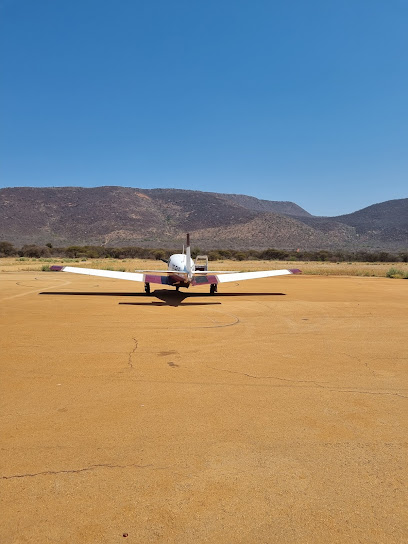
Mokopane airfield is a Aeroclub establishment in Mokopane, Limpopo, South Africa
Mokopane
Limpopo
South Africa
Sorry, no records were found. Please adjust your search criteria and try again.
Sorry, unable to load the Maps API.
Aeroclub Services in Mokopane, Limpopo
Aeroclubs in Mokopane offer a range of aviation-related services designed to support pilots, aviation enthusiasts, and visitors seeking a practical introduction to flight in the Limpopo region. Located in a rural-airport environment, these clubs typically function as community hubs where safe flying, practical training, and aviation culture are encouraged. The emphasis is on accessibility, safety, and the professional components required to operate small aircraft in South Africa’s diverse airspace.
Flight training is a core offering for many Aeroclubs in and around Mokopane. Prospective pilots can expect introductory lessons, structured curricula, and progression toward recognised licensing milestones. Training often covers basic airmanship, aerodynamics, navigation, meteorology, and safety procedures. Depending on the club, instructors may hold civil aviation authority qualifications and provide one-on-one tuition as well as group sessions. Students frequently organise training flights using light aircraft suited to early-stage piloting, with lessons conducted from the local airfield under appropriate air traffic control or advisory service arrangements.
Aircraft rental and access to club aircraft are common features, enabling seasoned pilots to fly solo or with a qualified instructor. Availability tends to depend on aircraft fleet size, maintenance status, and weather constraints. Rates are typically determined by hour blocks, with considerations for engine time, maintenance fees, and insurance requirements. For those returning to aviation or seeking to maintain flight time, rental options can provide a practical pathway to stay current between more formal training steps.
Charter flights and scenic or specialised flights may form another pillar of Aeroclub activity. In Mokopane, customers might arrange short-haul trips for business meetings, family visits, or regional sightseeing within the Limpopo province. These services usually prioritise reliability, safety, and clear communication regarding departure times, aircraft type, seating capacity, and luggage limits. While not every aeroclub advertises charter operations, many will be equipped to coordinate on a case-by-case basis through trusted local partners or in-house arrangements.
Aerospace maintenance and technical support are often aligned with Aeroclub operations. Routine checks, systems inspections, basic servicing, and adherence to airworthiness standards are essential for ongoing safety. Clubs may partner with authorised maintenance providers or employ certificated engineers to address routine servicing and minor repairs. Customers should expect transparent information about the status of an aircraft prior to any flight, alongside documentation confirming airworthiness and compliance with regulatory requirements.
Ground operations and customer experience considerations are important in Mokopane’s climate. Weather patterns in Limpopo can influence flight planning, with variability across seasons. Prospective climbers of the skies should be prepared for occasional heat-related performance considerations and potential weather-related delays. Ground facilities typically include briefing rooms, basic refuelling provisions, and simple maintenance bays. Accessibility, clear signage, and well-formulated safety briefings contribute to a positive and responsible aviation environment for both newcomers and experienced aviators.
People engaging with Aeroclub services can expect a pragmatic approach to aviation education and activity. Clubs frequently emphasise local knowledge, safety culture, and community engagement, creating an inclusive atmosphere for learning and collaboration. Practical steps often involve proper licensing, medical examinations, and adherence to South Africa’s civil aviation regulations, ensuring that every flight aligns with established standards and local operational rules.
- Typical activities include flight training, aircraft rental, and potential charter flights.
- Safety, airworthiness, and regulatory compliance are emphasised in every operation.
- Weather and local airspace considerations are important factors for planning and scheduling.