Modderfontein Model Aero Club is a Aeroclub establishment in Lethabong, Limpopo, South Africa
Modderfontein Model Aero Club Flyers: An Aeroclub Experience in Lethabong
Modderfontein Model Aero Club Flyers (MMAC) operates as a community of radio-controlled model aircraft enthusiasts centred in the Lethabong area of Limpopo. Described by the club as a welcoming gathering for hobbyists and pilots, the organisation emphasises shared learning, camaraderie, and the enjoyment of flight through a community-driven structure. The club presents itself as a place where both new comers and seasoned flyers can observe, participate in, and contribute to the activity of model aviation.
Key services and activities offered by MMAC include regular flying sessions, member recruitment, and opportunities to engage with the broader model aviation community. The club highlights its primary activity—airborne sessions on weekend afternoons and mornings—when weather permits. Typically, the group is described as being airborne most Saturdays from 2pm and Sundays from 9am, creating predictable windows for visitors to observe, learn, and participate in flight activities. These sessions function as informal entry points for prospective members to witness flight operations and assess whether the hobby suits their interests.
Joining MMAC is framed as a gateway to a high-spirited hobby rather than a formal training programme. The club actively invites new members to join and participate, presenting the experience as an engaging weekend pursuit rather than a full-time commitment. The online Join page and information section point to contact routes and application processes designed to streamline entry for those genuinely interested in the sport of model aircraft. As part of its community orientation, MMAC maintains an online presence that aggregates member information, project discussions, and forums, illustrating a busy and collaborative environment where members share experiences, projects, and tips.
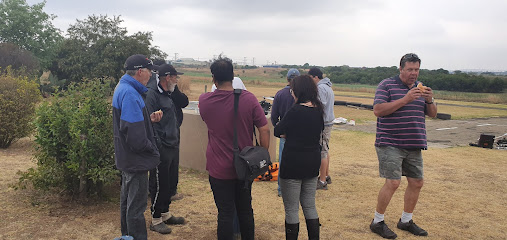
In addition to flying, MMAC provides a sense of social and educational structure through internal communications and events. The site hosts a forum where members discuss ongoing projects, share photos, and exchange practical knowledge about models, engines, and accessories. This forum culture, alongside news items and photos, suggests a lively ecosystem of hobbyists supporting one another, whether through direct mentorship, equipment advice, or social events such as informal “stick days” and social gatherings that feature food and camaraderie.
Visitor feedback on MMAC, although limited in formal review data, presents a picture of a friendly and inclusive atmosphere. Recollections from local guides and visitors describe the group as approachable, with enthusiastic and supportive members. Several reviewers note that the community is generous with knowledge and assistance, emphasising a welcoming environment for those new to the hobby, while also acknowledging the need for practical adjustments—such as landing strip length—typical of smaller airfields or clubs that cater to a range of aircraft classes.
The user experience at MMAC is shaped by its open-door philosophy and its focus on weekend activity. Prospective visitors may expect a low-pressure environment where observation is always possible before joining. The presence of a Safety Officer and formal pages such as a member constitution and safety rules indicate an underlying emphasis on responsible operation and club governance, which can provide reassurance to participants unfamiliar with model aviation safety expectations.
Typical job types and activities within MMAC align with hobbyist and club-based model aviation. While the club does not publish professional services or commercial offerings on its primary site, the social and operational structure supports activities such as aircraft demonstrations, project sharing, and collaborative building and flying sessions. The forum and photo sections illustrate a culture of ongoing projects and member contributions, suggesting that participation often involves individual builds, fleet management, and community pilots sharing flight experiences and technical insights.
Practical tips for customers planning a visit or a potential membership include: plan visits around the stated weekend windows (Saturdays from 2pm, Sundays from 9am, weather permitting); arrive prepared to observe first, ask questions, and engage with experienced members who can provide safety guidance and practical flying advice; check the MMAC contact points for the latest information on joining, events, or any changes to session times; and review the SAMAA information and safety resources linked on the site to understand regulatory and safety expectations before flying.
The club’s location is associated with the Modderfontein Model Aero Club Flyers’ online footprint, and it operates as an Aeroclub serving the Lethabong area within Limpopo. The community-friendly reputation and the emphasis on weekend activity position MMAC as a potential entry point for aviation enthusiasts and hobbyists seeking a local, collaborative environment to enjoy model aircraft culture.
Lethabong
Limpopo
South Africa
Sorry, no records were found. Please adjust your search criteria and try again.
Sorry, unable to load the Maps API.
Aeroclub Services in Lethabong, Limpopo
In Lethabong, Limpopo, Aeroclub activities are typically centred on recreational flying, aviation training, and facilities that support light aircraft operation. The environment combines rural airspace with modest airstrip infrastructure, offering an accessible entry point for aviation enthusiasts and those seeking practical flight experience. Services commonly observed in this regional context emphasise safety, mentorship, and hands-on learning, framed by the demands of the local climate and terrain.
Clients can expect a range of entry-level and ongoing services designed to build confidence and skill. Initial introductions frequently focus on ground briefings that cover airworthiness basics, airstrip operations, weather interpretation, and aeronautical radio communication. Practical sessions often pair introductory flight guidance with careful assessment of basic aerodynamics, take-off and landing procedures, heartbeat checks of aircraft systems, and simple navigational concepts. As proficiency improves, more complex maneuvers, cross-country planning, and adherence to local aviation rules are incorporated into the training path.
Aeroclub facilities typically cater to both individual flyers and small groups. Common elements include a dedicated clubhouse or overhead shelter for theory sessions, maintenance bays or work areas for light aircraft preparation, and a communications room or radio equipment corner for practice in air-ground coordination. Patrons may find basic safety equipment and emergency preparedness resources available onsite, complemented by guidance on pre-flight checks, fuel management, and post-flight debriefs. The emphasis is often on practical, hands-on learning within a supportive community framework.
In terms of services, a typical Aeroclub in this region may offer the following:
- Introduction flights and introductory ground school for prospective pilots
- Structured training programmes for private pilot licence (PPL) level, subject to local regulatory requirements
- Aircraft rental arrangements for supervised practice, with appropriate supervision for beginners
- Aircraft maintenance oversight and routine pre-flight inspections by qualified personnel
- Fuel services and storage facilities for light aircraft
- Short-term storage and hangar space for members’ aircraft
- Community events, fly-ins, and shared flying days to foster skill development
For customers, practical considerations include scheduling flexibility, weather implications, and adherence to local airspace rules. The Limpopo climate can present variable conditions, so flight planning often accounts for temperature, wind, and visibility, with allowances for seasonal thunderstorms and dust. Ground school and theory sessions are typically held indoors or in shaded outdoor spaces to manage exposure to the elements. Prospective members are usually advised to bring appropriate identification, medical documentation where required, and any prescribed safety gear, while aircraft-specific requirements are guided by the operating club’s safety policies.
Operational norms in this setting emphasise safety, community support, and ongoing skill development. The process of booking a flight or arranging training generally involves coordination with the club’s administration or flight instructors, a briefing that outlines the objectives for the session, and confirmation of aircraft availability. Learners often progress through a staged approach, progressing at a pace that reflects individual aptitude and learning goals while always prioritising safe aeronautical practice and compliance with prevailing regulations.
Overall, Aeroclub services in Lethabong provide a practical gateway to aviation, balancing accessible training with the realities of local airfields. They offer avenues for hobbyists and aspiring pilots to engage with the sport in a structured, supportive environment, while cultivating foundational aviation skills that can support longer-term aviation interests within Limpopo and beyond.