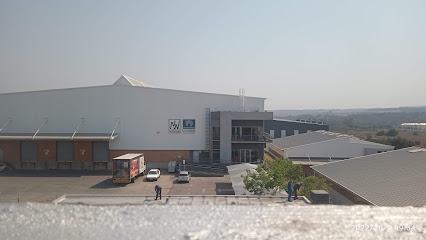
Safomar Aviation (Pty) Ltd is a Aerospace company establishment in Lethabong, Limpopo, South Africa
Safomar Aviation (Pty) Ltd — Aerospace Solutions and Customer Experience
Safomar Aviation (Pty) Ltd presents itself as a diversified player in Sub-Saharan aviation, offering a wide spectrum of aviation-related solutions across multiple platforms through its subsidiaries. The business positions itself as a partner to commercial, military, corporate and general aviation customers, emphasising a broad approach that encompasses products, services and training. The group operates from Modderfontein and maintains a footprint across Southern Africa with a sizeable team, underscoring its aim to support aviation activities through integrated offerings.
Key services span the lifecycle of aviation support, including wheels, brakes and tyres management, overhaul and repair service management, and consignment store management. These core offerings suggest a focus on maintenance support and parts logistics, enabling operators to manage aircraft readiness and reduce downtime. The inclusion of vibration management services highlights attention to reliability and airframe health monitoring, reflecting a commitment to proactive aircraft performance optimisation. In addition, the organisation provides advanced technologies within its portfolio, suggesting an emphasis on modernisation and system enhancements across fleets and platforms.
Safomar Aviation also markets a comprehensive range of products. These include aircraft lubricants, fluids and greases, aircraft transparencies, aviation headsets, and an assortment of aircraft sales and leasing options. The product assortment indicates an integrated distribution capability, supporting both operational needs and fleet acquisition strategies for varied aviation sectors. The presence of a formal training pathway is signposted through Mega Aero Training Academy (MATA), which trains across all areas of the aerospace environment and is positioned as a leader in aviation education. This alignment with training services underscores an intent to cultivate skilled personnel alongside equipment and material support.
Customer experiences, as reflected in visitor feedback, present a mixed but generally positive impression. Several reviewers commend the quality and maintenance of Safomar’s aircraft, with mentions of well‑maintained, clean aircraft that inspire confidence in flight operations and training environments. The accessibility of the facility is noted as a strength, with references to easy location and convenient access for visitors and students. For those engaging in training, several comments highlight knowledgeable instructors drawn from Jet and Kingair aviation backgrounds, reinforcing the perceived depth of expertise within Safomar’s training ecosystem.
However, some reviews draw attention to organisational and workplace aspects rather than flight operations alone. One reviewer describes management as problematic, with statements about dissatisfaction among staff and concerns about payment practices following employment changes. These viewpoints emphasise the importance of stable people practices and transparent communications in supporting a consistently positive customer and student experience. While such feedback is not universal, it provides a cautionary note for prospective collaborators and prospective students to consider organisational culture alongside technical capability.
In terms of typical job types and industry focus, Safomar’s service and product lines cater to a broad cross-section of aviation needs. Maintenance and component support (wheel, brake and tyre management; overhaul and repair services) align with general aviation maintenance, while the consignment store management offering points to parts supply and logistics needs. Vibration management and advanced technologies indicate a tilt toward fleet reliability and systems improvement, which may appeal to operators seeking proactive maintenance strategies. The training arm suggests a pathway for aspiring pilots and aviation personnel to gain structured instruction and practical knowledge across the aerospace spectrum.
Practical tips for potential customers include considering an integrated approach: pairing maintenance services with appropriate parts supply and access to training resources can streamline operations and support a smoother flight programme. When engaging with Safomar, it can be beneficial to clarify service levels, response times, and pricing structures for maintenance and parts, given the mixed feedback observed in public reviews. Prospective students or training participants should inquire about instructor qualifications, aircraft condition, and the range of training modules available through MATA to ensure alignment with individual career objectives.
Safomar Aviation’s address and broader regional reach position it as a notable player in aviation services across Southern Africa. Visitors and customers may expect professional facilities, access to a diverse product range, and opportunities for hands-on training and maintenance support, subject to the specifics of each engagement and the stability of internal operations. The organisation’s breadth—spanning maintenance, supply, training, and commercial activity—appears designed to provide a one‑stop solution for a variety of aviation needs, while continuing to expand its network and capabilities within the regional market.
Lethabong
Limpopo
South Africa
Sorry, no records were found. Please adjust your search criteria and try again.
Sorry, unable to load the Maps API.
Aerospace Services in Lethabong, Limpopo: What to Expect
In the region of Lethabong, Limpopo, aerospace companies typically operate as multi‑disciplinary specialist firms serving a diverse range of aviation and defence needs. These organisations provide services that support aircraft maintenance, component supply, engineering support, and related advisory functions. Clients from regional operators, maintenance organisations, and government or industry contractors often seek practical, standards‑driven solutions designed to keep fleets safe, compliant and productive.
The environment in Limpopo presents unique logistics considerations. Access to suitable infrastructure, availability of skilled technicians, and efficient supply chains influence how aerospace services are delivered. Companies in the area commonly emphasise safe working practices, clear project scoping, and transparent scheduling to minimise downtime for aircraft or equipment. Given the varied operating conditions, attention to environmental and occupational safety is a constant priority, along with adherence to national aviation regulations and any applicable industry guidance.
Typical service offerings in this part of South Africa cover a broad spectrum. The following list outlines common categories, as observed in aerospace businesses serving the region:
- Engineering and design support for airframes, assemblies, and modified systems
- Maintenance, repair, and overhaul (MRO) for aircraft components or equipment
- Component supply, spares management, and procurement liaison
- Aircraft systems installation, integration, and testing
- Diagnostics, performance assessments, and reliability engineering
- Engine and ancillary equipment support, including servicing and replacement planning
- Regulatory compliance assistance, documentation management, and airworthiness planning
- Technical advisory, debugging, and problem‑solving for specialised platforms
- Training, knowledge transfer, and competency development for local staff
How these services typically operate is broadly uniform across similar firms, though specifics depend on project scope and client needs. A standard engagement often starts with a project briefing, followed by a technical assessment or site survey where applicable. Afterwards, a proposed plan outlines tasks, milestones, required resources, and timelines. Where parts or equipment are involved, procurement processes are coordinated to align with safety standards, supplier reliability, and lead times. Work is carried out under controlled conditions, with documentation maintained for traceability and future audits. Upon completion, a formal handover confirms outcomes, along with any necessary maintenance schedules or further work recommendations.
Practical considerations for clients engaging aerospace services in Lethabong include supervision and access requirements, security considerations for sensitive equipment, and the need to align service windows with operational flights or production calendars. Organisations typically expect clear communication around risk factors, potential disruptions, and anticipated effect on fleet readiness. Local firms may highlight the value of dependable response times, on‑site presence for critical tasks, and collaboration with regulatory bodies to ensure ongoing compliance.
For customers located in Limpopo, proximity can support quicker on‑the‑ground support, timely spare parts handling, and closer collaboration on technical issues. While specific capabilities and credentials vary between providers, the overarching aim remains consistent: to deliver technically proficient, safety‑conscious aerospace services that help maintain airworthiness, optimise performance, and sustain reliable operations in the region.