Integrated Aerial Systems is a Aerospace company establishment in Cape Town, Western Cape, South Africa
Integrated Aerial Systems: Drone Services, Analytics and Industrial Applications in Cape Town
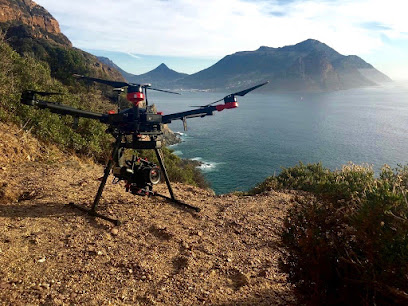
Integrated Aerial Systems (IAS) operates as a multidisciplinary drone service provider centred in Cape Town, Western Cape. Drawing on experience from aviation, technology, media, survey, engineering and data sectors, IAS delivers end‑to‑end aerial solutions that convert drone data into practical, actionable outcomes. The company emphasises professional filming, asset inspections and crop‑health analysis and spraying operations, underscored by a commitment to licensed, insured operations and robust data processing capabilities.
Core offerings span three linked stages. First, aerial operations are conducted by a flight team trained to execute flights efficiently and safely. This is followed by data handling, where collected imagery and sensor data are uploaded and processed promptly. Finally, advanced analytics and reporting transform raw data into detailed maps and customisable reports that can be shared securely with client teams. The workflow is designed to keep projects moving swiftly from flight to insight, supporting workflow improvements across diverse sectors.
IAS positions itself as a multi‑industry partner, serving sectors such as agriculture, construction, mining, industrial disciplines and solar installations. The company notes that its data can be viewed and manipulated through a secure web portal and exported in formats compatible with common design, mapping and engineering platforms, ensuring seamless integration with existing software ecosystems. This interoperability supports clients who require precise, shareable documents for planning, monitoring or regulatory purposes.
A key aspect of IAS’s offer is regulatory compliance and safety. The operator holds a Remote Operating Certificate (ROC) from the South African Civil Aviation Authority (SACAA) and a Class III General Air Service Licence (ASL) from the Department of Transport. These credentials, combined with insurance coverage for third‑party incidents, position IAS as a professional and accountable provider. The business alignment with SACAA RPAS Regulations Part 101 and 141, the Air Service Licensing Act, and the Flexible Use of Airspace framework reflects a structured approach to operating across borders within Africa, subject to local approvals where necessary.
The company’s online presentation highlights a fast‑track “fly once requested” capability, with pilots or flight teams typically airborne within 48 hours. Data processing is then completed within about 24 hours following a flight, after which analyses and customisable reports are generated and shared. This rapid cycle supports time‑sensitive projects such as site surveys, construction progress monitoring, crop management and solar installations where timely information is crucial for decision making.
Customer experience at IAS is frequently described through client testimonials and public reviews. Clients commend professional conduct, responsiveness and flexibility in uncertain field conditions. Positive feedback highlights the ability to deliver high‑quality imagery and comprehensive final reports, alongside attentive communication during logistics, permissions and payment processes. The team’s willingness to adapt to evolving project needs and to accommodate challenging terrains—such as large agricultural farms or conservation surveys—recurs as a theme in reviews, suggesting a service ethos that prioritises reliability and thorough data delivery.
Practical considerations for prospective clients include understanding the typical project flow, ensuring all necessary permissions are in place for flight operations, and confirming that data integration needs align with IAS’s output formats. The secure web portal provides easy access to final products, while compatibility with clients’ software ecosystems minimises integration hurdles. Clients should plan for final data reviews and reporting milestones within the 24‑hour post‑flight window to keep project timelines on track.
- Tips for customers: clearly define flight objectives and geographic boundaries; confirm required data products (e.g., orthomosaics, 3D models, NDVI or other analytics) in advance; check that data formats match downstream software; request a proposed flight and data timeline to align with operational workflows; be mindful of weather windows and ground access considerations that may affect flight plans.
- Practical checks: ensure personnel availability for on‑site permissions and access, particularly for agricultural or conservation projects; verify insurance coverage details and the scope of liability; review security and data‑sharing arrangements in the client portal to protect sensitive information.
IAS operates from and within the Western Cape region, with service capabilities across Africa subject to local regulatory approvals. The company’s focus on professional flight operations, advanced analytics and reliable reporting makes it a suitable partner for organisations pursuing aerial data to inform project planning, monitoring or performance optimisation across agriculture, construction, mining, industrial sectors and solar installations.
Cape Town
Western Cape
South Africa
Sorry, no records were found. Please adjust your search criteria and try again.
Sorry, unable to load the Maps API.
Aerospace Company Services in Cape Town, Western Cape
In Cape Town, Western Cape, aerospace organisations offer a range of services aimed at supporting aircraft and related systems throughout the lifecycle—from initial design and manufacturing support to ongoing maintenance and specialised engineering. The regional business environment emphasises high standards, regulatory compliance, and close collaboration with local aviation authorities and international partners. Customers can expect services that address safety, reliability, efficiency, and durability within the South African aerospace sector.
Typical offerings encompass design input and engineering consultation, structural and systems analysis, and lightweight materials testing. Clients may seek expert advice on aerodynamics, propulsion integrations, and airworthiness considerations for both fixed-wing and rotary applications. Engineering groups often provide modelling and simulation support, including performance assessments, failure analysis, and optimisation studies aimed at extending service life and reducing operational costs.
Maintenance and support form a central pillar of the local market. This includes component repair, non-destructive testing (NDT), routine inspections, and planned maintenance programmes aligned with international standards and local regulatory requirements. Maintenance providers in the region can coordinate logistics, ensure traceability of parts, and support lifecycle planning for aircraft, avionics suites, and critical systems. In many cases, overhaul and component exchange services are available to minimise downtime for customers operating regional and national fleets.
Specialised services frequently cover avionics integration, electrical systems, and cabin systems optimisation. This may involve diagnostic testing, software updates, and compatibility checks to ensure that electronic systems meet current certifications and operator needs. Cape Town-based teams often collaborate with airframe manufacturers, equipment suppliers, and maintenance facilities to deliver customised solutions that respect budget constraints and mission requirements.
Manufacturing and configuration services are also represented, including precision assembly, quality control processes, and modification support for existing platforms. Firms in the Western Cape may work on small to mid-sized components, tooling, and integration work that supports regional aviation activity, as well as export-oriented projects with broader supply chains. The emphasis in this region tends to be on practical, well-documented processes that ensure traceability and consistent performance across programmes.
When engaging an aerospace service provider in Cape Town, clients typically experience a structured workflow. Initial scoping discussions outline objectives, timelines, and regulatory considerations. A formal assessment may follow, establishing technical requirements, risk factors, and deliverables. Throughout the project, communication is focused on progress milestones, quality control, and adherence to safety protocols. Documentation, including maintenance records and configuration data, plays a crucial role in demonstrating compliance and enabling future work.
Practical considerations for customers include lead times influenced by procurement, supplier availability, and the international movement of components. Local providers often offer support with sourcing, logistics planning, and warehousing to streamline operations. Quality assurance practices are emphasised, with emphasis on traceability, calibration, and adherence to recognised industry standards where applicable. Environmentally conscious practices—such as efficient energy use, waste management, and responsible material handling—are increasingly integrated into the service framework.
Overall, aerospace services in Cape Town, Western Cape, combine technical expertise with pragmatic execution. Businesses in this area aim to deliver reliable support across design, maintenance, modification, and integration activities, while navigating regulatory requirements and the realities of the regional supply chain. For customers, the focus remains on safety, performance, and value, with partners able to provide guidance across the full spectrum of aviation needs from blueprint to routine operation.
- Engineering and aerodynamic analysis
- Maintenance, repair, and overhaul (MRO) support
- Avionics and electrical systems integration
- Structural testing and non-destructive examination
- Component supply, configuration, and modification services
- Project management and regulatory compliance support