Aeronautical Aviation is a Aircraft maintenance company establishment in Lanseria, Gauteng, South Africa
Aeronautical Aviation: Aircraft maintenance and avionics solutions in Lanseria
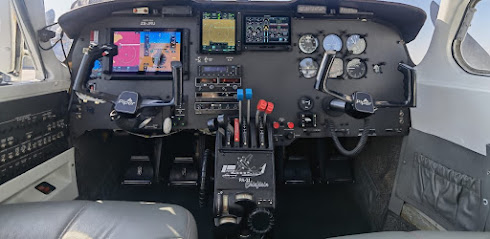
Situated at Lanseria International Airport in Gauteng, Aeronautical Aviation presents itself as a specialised provider of avionics and maintenance services designed to support aircraft owners throughout the lifecycle of their aircraft. The operation emphasises avionics upgrades and installations that are tailored to individual missions, aircraft profiles, and long-term planning, positioning itself as a partner in safety, situational awareness, and value retention.
Key services are grouped around core activities in avionics and maintenance. The company offers installations and upgrades that span from system integrations to mission-critical enhancements, reflecting a focus on hardware and software that improve flight safety and pilot awareness. Alongside upgrades, a substantial portion of activity is dedicated to maintenance regimes, including both annual and line maintenance. This combination enables operators to keep airworthiness up to date while maintaining ongoing operational readiness between major servicing intervals.
Repair and overhaul capabilities are marketed as a complementary pillar to routine maintenance, addressing more extensive repairs or component overhauls as part of a long-term ownership strategy. The emphasis is on keeping systems current with evolving technology and maintaining performance standards across the aircraft’s life.
In addition to the traditional maintenance and repairs, Aeronautical Aviation operates a Laser Department and a pilot shop with aircraft parts. The Laser Department appears to offer specialised capabilities, while the pilot shop and parts range indicates a workflow that supports both on-site servicing and access to essential equipment and consumables for aircraft owners and operators.
The business presents itself as a facilitator of upgrades that aim to enhance safety, situational awareness, and long-term value. By outlining a consultative path, the company signals a preference for a structured approach to upgrades, beginning with a clear review, presenting multiple options, and guiding the client through a calm, well-informed execution plan. This approach is reinforced by examples such as “Plan Your Upgrade” and “Start Upgrade Advisory”, suggesting a methodical process rather than a standard catalogue of products.
The company actively promotes its status as a dealer for notable avionics and accessories brands, with references to Garmin products and related services. This positioning suggests access to well-regarded equipment and an ecosystem of support and compatibility for owners seeking to modernise or expand their avionics suite.
Typical job types and industries
- Avionics installations and upgrades tailored to mission profiles
- Annual and line maintenance for routine airworthiness
- Repairs and overhauls for avionics and related systems
- Specialised services from the Laser Department (as described by the provider)
- Provision of pilot gear, parts, and accessories through the on-site shop
Customer experience and reviews
Visitor feedback highlights warmth and professionalism among staff, noting that hospitality extends from reception to technical personnel. Reviews emphasise a positive and accommodating atmosphere, with comments about a facility located within Lanseria Airport. While individual experiences vary, several reviewers commend the team for courtesy and a proactive approach to client needs, reinforcing the impression of a customer-focused operation.
How requests typically work
Guided by a structured advisory process, potential customers are encouraged to begin with a plan-by-review approach. The website promotes a sequence of steps that starts with a clear assessment, followed by presenting practical upgrade options, and culminating in calm, orderly execution. This workflow aligns with a long-term ownership mindset, prioritising safety, flight readiness, and value retention.
Practical tips for customers
- Identify upgrade goals early (e.g., safety enhancements, pilot workload reduction, or mission-specific capabilities) to help tailor the advisory plan.
- Consider combining upgrades with annual or line maintenance to streamline scheduling and minimise downtime.
- Explore the Garmin and related avionics ecosystem highlighted on the site to ensure compatibility with existing systems and future-proofing of capabilities.
- Engage with the on-site pilot shop and parts area for quick access to essential components and support equipment.
- Utilise the upgrade advisory pathway to obtain structured, option-based recommendations before committing to a project plan.
Location and area served
The business is based at Lanseria International Airport, Johannesburg, Gauteng, indicating a primary service area within the South African aviation community centred around this regional hub.
Hours and access
Specific business hours are not published in the available materials. The facility’s presence at Lanseria Airport suggests on-site access during standard airport operating hours, with the potential for coordination through the upgrade advisory service and online storefront for information and product options.
Lanseria
Gauteng
South Africa
Sorry, no records were found. Please adjust your search criteria and try again.
Sorry, unable to load the Maps API.
Aircraft Maintenance Services in Lanseria, Gauteng
In the Lanseria region of Gauteng, aircraft maintenance companies provide essential support to keep aviation operations safe, compliant and reliable. These organisations cater to a diverse mix of clients, from private operators and corporate flight departments to charter outfits and regional operators. The work typically centres on keeping airframes, engines and avionics in sound condition, with a focus on scheduled maintenance, inspections and timely repairs.
Maintenance facilities in Lanseria commonly offer a range of services designed to support both routine operations and more intensive work scopes. Routine maintenance may include visual inspections, scheduled check-ups, lubrication, corrosion control and preventive tasks designed to minimise downtime. More extensive inspections might follow manufacturer intervals or regulatory requirements, potentially including airframe and powerplant examinations, functional testing of systems, and the replacement of life-limited components where necessary. In many cases, the aim is to complete tasks efficiently while ensuring full traceability and proper documentation for airworthiness records.
Aircraft maintenance companies in this area also provide component support and repairs. This can encompass the servicing and overhauling of essential systems such as hydraulic, electrical, fuel and pneumatic networks, as well as avionics benches for routine troubleshooting and calibration. When specific components require repair or overhaul, skilled technicians assess feasibility, arrange sourcing, and coordinate the return of serviceable items in line with industry standards and regulatory expectations. Stores management and logistics are often used to track parts, spares and consumables necessary for ongoing operations.
Ground handling, line maintenance and hangar services are commonly offered to support customers who need rapid turnarounds or longer-term storage. Line maintenance focuses on on-field tasks performed between flights, such as functional checks, routine servicing, tyre inspection, and immediate defect rectification. Hangar services cover more substantial maintenance events, including disassembly, required replacements, and reassembly under controlled conditions. The ability to perform work on-site at Lanseria's airfield or to coordinate with satellite facilities nearby can be a practical advantage for operators seeking convenient and time-efficient solutions.
When engaging an aircraft maintenance provider, customers can expect a clearly defined workflow. This typically begins with an assessment or maintenance planning phase, where scope, timings, costs and required permissions are discussed. A project plan is developed, detailing the tasks, the sequence of work, and any downtime anticipated. Technicians then execute the agreed tasks, subject to quality checks and sign-off procedures. Documentation is generated to confirm compliance with airworthiness requirements, including maintenance release notes and service records. Throughout this process, communication focuses on transparency, with updates provided on milestones, potential interruptions, and any safety considerations.
Practical considerations for operators selecting a maintenance partner in Lanseria include evaluating the facility’s capabilities, turnaround times, and access to qualified personnel. Availability of diagnostic equipment, the ability to perform manufacturer-recommended tasks, and adherence to regulatory and safety standards are important factors. It is also common to assess the provider’s experience with the type and size of aircraft in question, whether light aircraft, turboprops or small jets, to ensure compatibility with maintenance needs and scheduling requirements. Weather, access, and proximity to flight operations can influence planning, as can the integration of maintenance with ongoing flight operations and dispatch priorities.
Overall, the maintenance landscape around Lanseria offers a practical balance of on-site capabilities and professional oversight. For operators seeking reliable service, the emphasis remains on ensuring airworthiness, supporting operational efficiency, and sustaining safety and compliance across the aircraft’s service life.
- Routine maintenance and inspections
- Airframe, engine and systems checks
- Component repair and overhaul
- Avionics and electrical systems support
- Line and hangar maintenance options
- Maintenance planning, documentation and compliance