Air Force Base Overberg is a Airport establishment in Arniston, Western Cape, South Africa
Air Force Base Overberg (TFDC Bredasdorp) – Airport Profile
Air Force Base Overberg, situated near Arniston in the Western Cape, is a current South African Air Force installation that sits adjacent to the Armscor Overberg Test Range and the De Hoop Missile Test Range. Known historically as TFDC Bredasdorp, the base became operational in 1987 and underwent a reorganisation in 2004 that saw it formally declared an Air Force Base with the Test Flight and Development Centre as a lodger unit. This distinctive arrangement highlights Overberg’s dual role in both flying operations and dedicated flight testing and development.
Within the base’s ecosystem operate a small but active set of units and aircraft. The base hosts the 525 Squadron and the Test Flight and Development Centre, each contributing to the broader mission profile of the facility. The presence of the Test Flight and Development Centre signals a clear emphasis on testing, evaluation, and the refinement of aerial capabilities, rather than merely routine flight operations. The airfield supports a mix of aircraft that have historically operated from Overberg, including the Cheetah D, Hawk Mk 120, and the PC-7 Mk II Astra. This combination reflects a prioritisation of trainer and combat-capable platforms suited to testing, development, and advanced pilot training.
The geographic and operational context of Air Force Base Overberg underscores its specialised role. Its location next to key test ranges positions it as a hub for development activities, pilot familiarisation, and periodic public-facing events linked to aviation demonstrations. Visitors who encounter Overberg are likely to notice the base’s integration of test flight activity with more routine air operations, illustrating a balance between security considerations and the broader public interest in military aviation.
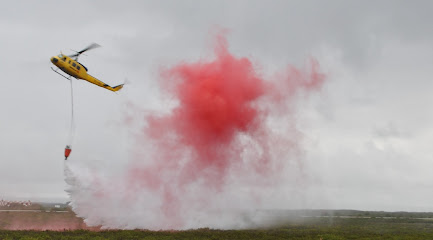
Customer experience at Air Force Base Overberg, as reflected in public commentary, tends to be shaped by event-based attendance and the base’s expansive site. The base’s area is described as large, which aligns with the setting for notable displays and demonstrations during air shows. Personal recollections from aviation enthusiasts emphasise well-organised events, with opportunities to observe varied displays and, historically, even the dropping of dummy bombs during airshows. Although formal visitor services are not extensively documented in the available materials, the impression conveyed by reviewers is of structured, spectator-friendly occasions arranged within the broader security and operational framework of a military installation. The combination of test flying activities and public displays can create a compelling experience for aviation fans, families, and local visitors when events are scheduled.
For those planning a visit or researching Air Force Base Overberg, practical tips include: monitoring for public events or air shows, as these occasions have historically drawn large crowds and offered access to diverse aviation displays; acknowledging that the base is a working military facility with a focus on testing and development, which may influence accessibility and crowd management during special events; and recognising the base’s matryoshka-style roles—as a current base with lodger units and a dedicated test wing—meaning visitors might see a blend of training activity and demonstrations, depending on the schedule.
The base serves the Arniston district and the greater Western Cape region, aligning with South Africa’s Strategic Air Force presence in the area. While specific public-facing hours or visitor policies are not detailed in the available content, prospective visitors are advised to check event calendars and local notices for any public access windows or special display days tied to Air Force Base Overberg.
In summary, Air Force Base Overberg combines historical significance with a modern emphasis on flight testing and development, backed by its resident squadrons and training-oriented aircraft. Its setting within a testing complex and its reputation for well-organised public displays contribute to an engaging, aviation-centric experience for those exploring military aviation history and contemporary air force activities in the Western Cape.
Arniston
Western Cape
South Africa
Sorry, no records were found. Please adjust your search criteria and try again.
Sorry, unable to load the Maps API.
Airport Services in Arniston, Western Cape
Arniston, a coastal town in the Western Cape, benefits from a modest air transport footprint that supports both local travel and regional access. The airport serves as a gateway for visitors seeking the area’s beaches, natural scenery and nearby rugged coastline, while also accommodating light air traffic for business and private aviation. The range of services typically found at airports in this region reflects a balance between operational efficiency, safety, and regional accessibility rather than large-scale passenger volumes.
Arrivals and departures are managed through a compact terminal facility designed to handle routine check‑in, security screening and baggage processing. Passengers should expect a straightforward process, with clearly signposted check‑in desks for commercial or charter flights, followed by security controls and passport or identity checks where applicable. For domestic travellers, procedures focus on rapid throughput, while international travellers would encounter additional documentation checks and customs arrangements if the airport supports cross‑border flights. Any lounge or waiting area tends to be modest in size, prioritising comfort and clean facilities over extensive services.
Aircraft movement at Arniston’s airport typically includes scheduled regional services, charter operations and private flights. Ground handling at smaller airports often shares responsibilities among a few local service providers, covering ramp services, baggage handling, and aircraft marshalling. Refuelling arrangements may be available on site, subject to regulatory adherence and safety protocols, with fuel supply and handling conducted by authorised personnel. Maintenance and engineering offerings are usually focused on light aircraft and helicopter operations, ensuring that routine inspections and small repairs can be addressed with minimal downtime.
Ground transport is an important consideration for travellers. Car hire desks or counters are commonly found nearby the terminal, with rental companies offering short and long‑term options. Taxis and ride‑hailing services provide point‑to‑point transfers to Arniston and surrounding towns, while some visitors opt for organised shuttle services to local hotels and lodges. Parking facilities at smaller airports are typically convenient, with short‑stay and long‑stay options, though capacity may be limited during peak tourist periods. It is wise for visitors to verify parking arrangements and any fees in advance to avoid delays on arrival or departure.
For business travellers and tourists alike, the airport often acts as a practical access point for air charter or private aviation. Charter operators and brokers in the region offer customised itineraries, allowing flexible schedules and destinations within Western Cape and nearby provinces. These services generally require prior arrangement and adherence to regulatory requirements, including flight plans, crew licences and safety checks. Where sightseeing flights or aerial tours are available, passengers can expect well‑organised departures with clear safety briefings and professional briefing on flight duration, routes and meteorological considerations.
Practical considerations for travellers include staying informed about local weather patterns, which can influence flight times and visibility along the southern coast. Winds, sea spray, and coastal topography may affect approach procedures and landing performance, making timely updates essential. Accessibility for persons with reduced mobility varies by airport and operator, but the aim is to provide reasonable assistance where possible. Visitors should consider connections to the next leg of travel, and confirm the availability of onward transport ahead of arrival, especially in rural or newly developed areas.
In summary, airport services in Arniston focus on delivering reliable basic facilities, safe and efficient handling of small aircraft and regional flights, convenient ground transportation, and the ability to arrange bespoke travel through local charter options. While the scale may be modest compared with larger hubs, the emphasis remains on practical, visitor‑friendly access to Western Cape coastal experiences, coupled with essential safety and regulatory compliance that underpins every operation.