Cape Gliding Club is a Airport establishment in Worcester, Western Cape, South Africa
Cape Gliding Club: Gliding Experiences and Training at Worcester Airfield
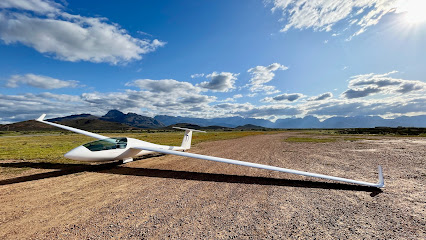
Situated an orderly hour from Cape Town, the Cape Gliding Club operates from Worcester Airfield in the Western Cape. The organisation is a long-standing, not-for-profit community with more than 100 members and a focus on weekend and public-holiday flying. The club presents gliding as a practical, introductory aviation experience, as well as a pathway for aspiring pilots to undertake formal training through ab-initio courses and ongoing instruction.
The club offers a robust array of flight experiences and training options. Public visitors can participate in Gliding Experience Flights, conducted under the supervision of a qualified instructor. These introductory flights use two-seat gliders, launched by aerotow, and provide a safety briefing followed by practical hands-on glider control and basic manoeuvres. The experience is designed to be safe, educational and enjoyable, with a typical flight lasting around 30 minutes depending on conditions.
The Cape Gliding Club operates a diverse fleet that supports both training and solo flying. The core training fleet includes three ASK13 two-seat gliders for basic instruction and a Janus B two-seat glider for advanced training. For solo pilots, there are several single-seat models available, including Jeans Astir, Astir CS 77 and K8. A SF28A Tandemfalke motorised glider is also part of the fleet. The airfield hosts a Sling 2 towplane (ZS-FZG), and on busy days, private aircraft may be contracted to assist with launches. In total, the airfield supports a substantial presence of gliders, with more than 35 privately owned high-performance and self-launching gliders based on site.
New pilot training is a central offering. Since 1989, the club has run more than 50 ab-initio training courses, with emphasis on true beginners though accommodating more experienced pilots as well. The four-day courses typically run from Thursday to Sunday and are limited by aircraft and instructor availability. The course price includes all flights and instruction, temporary club membership, a gliding training manual, a student logbook, dinners and breakfasts, with accommodation options available nearby or on the airfield for those attending the course.
Experienced glider pilots can use Worcester’s legendary soaring conditions, described as providing a mix of ridge lift, thermal lift, wave and convergence flight opportunities. Cross-country flying is common among senior pilots, with typical distances ranging from 300 to 500 kilometres and speeds over 160 km/h, though longer flights of 1000 kilometres and beyond have been achieved. The local weather patterns are presented as an inviting and varied aspect of the club’s appeal, offering a rich environment for ongoing learning and exploration of the Western Cape’s skies.
Visits and community engagement form a notable part of the club’s culture. International visiting glider pilots are welcomed, and there is guidance available to assist visiting pilots with arrangements to make their stay productive and enjoyable. The club also emphasises safety, holding quarterly safety meetings guided by instructors and guests to promote responsible gliding practices. A strong culture of mentorship exists, reflecting the club’s rich history and long-standing tradition of instruction and camaraderie.
For those exploring the Worcester area, the club’s surroundings are highlighted by wine farms, mountain biking and hiking trails, offering a well-rounded experience beyond flying on non-flying days. Public visitors are introduced to gliding via a structured process, with a meeting at the airfield, a safety briefing, and a session in which basic skills and control are gained under supervision. Club facilities include a swimming pool, a braai area and camping facilities, making it convenient for visitors who wish to extend their stay and make the most of the region's leisure offerings.
Typical services and how requests are handled include arranging a flight with an instructor, organising the glider and tow-launch, and providing the necessary safety briefings. The club’s public-facing pages describe clear pathways to participate, whether through a single Gliding Experience Flight or by enrolling in a forthcoming ab-initio course. For those considering long-term involvement, the membership structure includes monthly fees for adults and juniors, with additional fees for certain roles such as tug pilots, and directions for joining the club and accessing its facilities.
Practical tips for customers
- Gliding is weather dependent; plan flexible dates and check forecast conditions ahead of visits.
- Weekend and public-holiday flying is common; the stated flying hours are Saturday and Sunday from 08:00 to 17:00.
- If travelling from Cape Town, the Worcester airfield is a straightforward drive, with Worcester offering a range of leisure options nearby.
- Accommodation is available on-site as camping or hut options, with additional private lodging in Worcester and surrounding areas.
- New pilots should consider the four-day ab-initio course, which includes instruction, meals, and course materials; places are limited.
- Public visitors should arrive prepared for a safety briefing and a guided experience flight with an instructor.
Overall, Cape Gliding Club presents a comprehensive package for those curious about gliding—from first flights to sustained training—set within a supportive community and the scenic backdrop of the Worcester valley.
Worcester
Western Cape
South Africa
Sorry, no records were found. Please adjust your search criteria and try again.
Sorry, unable to load the Maps API.
Airport Services in Worcester, Western Cape
The airport environment in Worcester, Western Cape, functions as a practical hub for regional travel and air operations. It supports a range of activities designed to facilitate smooth movement for passengers, business travellers, and service providers alike. Visitors can expect a straightforward approach to check-in, security, and boarding, alongside facilities that cater to brief layovers, freight, and local aviation needs. The emphasis is on reliability, accessibility, and efficiency within a compact, community-oriented setting.
Within the terminal and apron areas, the core services are structured to guide travellers from arrival and check-in through to departure. Staff typically assist with handling documentation related to local aviation regulations and passenger welfare, while security and safety procedures follow standard industry practices. The emphasis is on clear information, orderly processing, and regard for passenger comfort, even when operations are conducted on a smaller scale than major international hubs.
For those arriving by air or pickups, ground transportation and parking are important considerations. Parking facilities usually offer short-term and longer-term options, with easy access to the terminal for quick exchanges or longer visits. Local car rental providers and taxi services frequently operate nearby, enabling convenient onward travel to regional sites, towns, or business centres. The surrounding road network is generally straightforward, with signage aimed at directing visitors efficiently to the appropriate airport facilities.
Airport services in Worcester commonly include a set of practical amenities designed to improve the customer experience. These typically cover lounge or resting areas, refreshment outlets, and essential conveniences such as Wi-Fi access and charging points. Given the regional setting, the emphasis remains on practicality, with simple, functional layouts that help travellers navigate with confidence. Information desks or help points are usually available to offer guidance on flight status, local transport options, and nearby services outside the terminal complex.
Freight and cargo handling represent another important facet of airport activity in the area. While not all transactions involve passenger travel, freight facilities enable the movement of goods, parcels, and mail, supporting local businesses and the broader Western Cape economy. Handling processes are designed to be efficient and compliant with relevant regulations, ensuring that items are documented, tested where necessary, and routed to their destinations with appropriate tracking and accountability.
Operational considerations for visitors include planning for weather variability typical of the region, which can influence scheduling and access. It is prudent to allow extra time for security checks and baggage handling during peak periods or when operations are affected by maintenance needs. Legislative and safety requirements govern the airport environment, and adherence to these standards is reflected in staff briefing, signage, and public announcements aimed at keeping passengers informed without undue disruption.
- Check-in and security procedures aligned with regional aviation norms
- On-site parking options and convenient access to the terminal
- Ground transportation alternatives and car rental facilities nearby
- Passenger amenities such as seating, Wi-Fi, and refreshment outlets
- Cargo and freight handling support for local business needs
Overall, airport services in Worcester, Western Cape, prioritise practicality and community orientation. They are designed to support an efficient travel experience within a compact regional framework, balancing passenger needs with the logistical requirements of air operations in a shared and gradually developing aviation landscape.