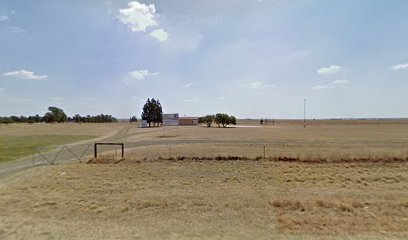
Bultfontein Airfield FABU is a Airstrip establishment in Bultfontein, Free State, South Africa
Bultfontein
Free State
South Africa
Sorry, no records were found. Please adjust your search criteria and try again.
Sorry, unable to load the Maps API.
Airstrip Services in Bultfontein, Free State
Airstrip facilities in Bultfontein, located within the Free State region of South Africa, provide a specialised hub for light aircraft operations. These sites typically accommodate private pilots, agricultural aviation, and when appropriate, small-scale air transport. The offerings tend to focus on safe, practical solutions for aircraft handling, basic support services, and the logistics of short-field or rural operations.
Customers can expect a straightforward service model centred on ground handling, aircraft parking, and simple maintenance activities. Ground handling might include guidance on safe taxiing, parking regulations, and the coordination of arrivals and departures with nearby airfields or regional authorities. Assistance with fuel arrangements is common, subject to local policy, supplier availability, and safety standards. In many cases, customers will find a relatively streamlined approach that prioritises efficiency for routine flights, agricultural missions, or survey work conducted in surrounding countryside and farming districts.
Access to a compact set of facilities is typical, especially where the aerodrome serves a rural community. This may involve a basic terminal or operations shack, weather information resources, and communications equipment to maintain contact with air traffic services or other pilots in the area. The emphasis is often on reliability and clarity rather than breadth of services, which suits operators undertaking short hops, sightseeing flights, or tasks requiring regular, predictable schedules.
Maintenance and servicing of aircraft at airstrips in this part of the Free State are generally practical and light-touch. Routine inspections, tyre and landing gear checks, and small repairs may be handled on-site or via a trusted local technician. For more extensive work, aircraft are normally coordinated to facilities with appropriate workshop capabilities and certified engineers. Expect a transparent process where any required work is explained, with emphasis on safety, regulatory compliance, and the minimisation of downtime for the operator.
Operational considerations reflect the surrounding landscape and climate. Runways at smaller airstrips in Bultfontein are typically suitable for light aerial operations and general aviation aircraft, subject to prevailing wind conditions, surface quality, and available lighting. Pilots are encouraged to perform a thorough pre-flight assessment, confirming runway length, surface condition, and any seasonal variations that may affect take-off and landing performance. Visibility, wind shear, and weather updates are important inputs for planning, particularly in summer thunderstorm conditions or winter cool fronts common to the interior regions of South Africa.
Customers engaging with airstrip services should anticipate a practical, no-frills experience designed to support efficient mission execution. Safety procedures are emphasised, with clear guidance on parking discipline, fuel handling, and the observance of local airspace rules. Communications tend to be direct, using familiar frequencies and standard aviation etiquette, ensuring that movements are well coordinated and predictable for all participants in the vicinity.
In terms of accessibility, the location within the Free State means travel logistics should be considered. Operators often schedule visits to align with daylight hours and weather windows that suit rural operations. Ground transport arrangements, local accommodation, and contingency planning for unforeseen delays are common practical considerations when planning flights that begin or end at these airstrips.
Overall, Airstrip services in Bultfontein offer essential infrastructure for rural aviation activities, delivering straightforward, dependable support that complements broader regional aviation networks. The model centres on core capabilities: safe aircraft handling, basic on-site support, access to fuel and services where available, and coordination with nearby facilities to ensure efficient, safe operations in a characteristic South African interior environment.