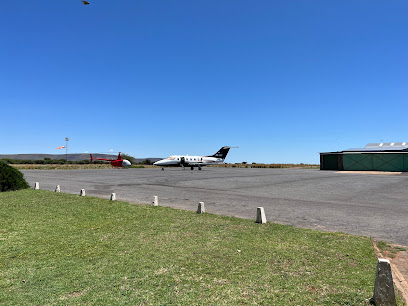
Kuruman Airfield FAKU is a Airstrip establishment in Kuruman, Northern Cape, South Africa
Kuruman
Northern Cape
South Africa
Sorry, no records were found. Please adjust your search criteria and try again.
Sorry, unable to load the Maps API.
Airstrip Services in Kuruman, Northern Cape
In Kuruman, a town nestled in the Northern Cape, airstrip facilities are typically designed to support general aviation and light charter operations within a remote and arid environment. These airstrips provide essential access for residents, businesses and visitors, enabling quick travel to and from a region where road travel can be lengthy and weather-dependent conditions may vary. The surrounding landscape, characterised by open plains and clear skies, often informs the planning and utilisation of local airstrips in terms of wind patterns, visibility and seasonal heat.
Typical services associated with airstrip operations in this area include the following core elements. First, there is the provision of a maintained landing area suitable for small aircraft and light charter jets. Runways may be surfaced or unpaved, and conditions can change with weather; therefore, attention to surface condition, drainage and routine inspections is standard practice. Navigation and radio communications rely on established, if modest, facilities, with airspace use governed by national aviation authorities. Ground handling services commonly encompass basic parking, secure tethering or hangar storage where available, and coordination for aircraft movements to avoid conflicts in busier periods.
Second, fuel supply and associated services typically form a foundational element. Operators may offer aviation-grade fuels suitable for light aircraft, with appropriate safety procedures and documentation. Refuelling operations are generally conducted by trained personnel under established health and safety guidelines, including fire control measures and spill response readiness. When fuel is not available on-site, arrangements are made for nearby depots or authorised suppliers, with attention paid to lead times and access roads.
Third, operational support can extend to modest maintenance and servicing, depending on the size of the facility and the density of traffic. This may cover routine inspections, tyre and brake checks, and documentation required for airworthiness. For more extensive needs, aircraft owners might rely on larger maintenance organisations in regional hubs, coordinating with the airstrip for access and scheduling. Ground handling is often complemented by passenger facilities such as sheltered waiting areas, basic amenities and clear signage directing arrivals, departures and parking.
From a practical perspective, users of airstrip services in Kuruman should consider several key factors. Accessibility is influenced by the local road network and weather, especially after heavy rain or during periods of high temperatures which can affect surface conditions and ground operations. Security at the site is typically managed through controlled access, with procedures for confirming aircraft identity and ensuring safe movement on apron areas. Operators are advised to verify operating hours, available services, and any prerequisite permissions for landing or overflight in accordance with national regulations.
Safety remains a central concern. This includes adherence to airside rules, communication protocols with air traffic authorities, and adherence to noise and environmental guidelines appropriate to rural and desert settings. Weather information, including wind, visibility and temperature, is routinely consulted, as these factors influence approach planning and take-off performance for light aircraft. Emergency readiness, such as access to first aid and contingency landings, is usually integrated into local protocols, reflecting the practical realities of flying in a remote region.
Overall, airstrip services in Kuruman support a pragmatic balance between accessibility, safety and efficiency. They enable practical travel, rapid response capabilities and logistical flexibility for businesses, residents and visitors while reinforcing compliance with the broader regulatory framework governing aviation in South Africa.