Helderberg Radio Flyers Club is a Airstrip establishment in Cape Town, Western Cape, South Africa
Helderberg Radio Flyers Club – Airstrip, Cape Town
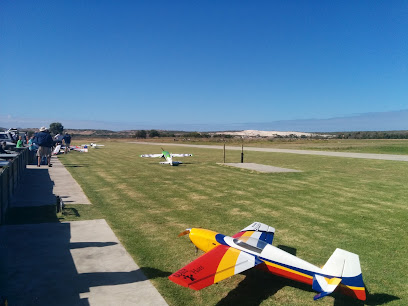
The Helderberg Radio Flyers Club (HRF) is a long-established community dedicated to radio-controlled (R/C) aviation. Founded in 1969, the organisation operates around a focused airstrip in the Western Cape region, serving enthusiasts who share an interest in model aircraft and related flying activities. The club functions as a collaborative space for hobbyists to fly, learn, and connect with others who enjoy R/C aviation in and around Cape Town.
HRF positions itself as a welcoming venue for both independent hobbyists and groups seeking a dedicated outdoor space for RC flight. The airstrip provides a practical setting for hands-on flying experiences, practical demonstrations, and informal events that bring together flyers of varying skill levels. The club’s activities are anchored by regular flying hours and a community culture that emphasises safety, practice, and shared enjoyment of aerial recreation.
From observed visitor impressions, the experience at HRF includes a sense of openness and practicality. Review snippets describe the location as a suitable, spacious field that works well for company events and casual gatherings. In addition to the core hobby of RC flight, the site is described as a place that can accommodate group activities in a relaxed outdoor environment, reinforcing its role as a community hub for RC aviation enthusiasts.
Operational details indicate standard opening hours that guide when the airstrip is available for flying and visits. General flying activity follows a daytime schedule with core window hours that span weekday afternoons to early evenings, alongside a broader weekend or public-holiday window, reflecting a flexible approach to accommodating member and guest activities.
Main services and facilities
The principal offering at HRF centres on the operation and enjoyment of R/C aviation. This includes access to an airstrip suitable for model aircraft flying, under the auspices of a community of enthusiasts who share knowledge, tips, and experience related to RC aircraft operation and maintenance. The site is associated with a weather station resource and related information that can assist pilots in planning flights and understanding local conditions.
As a community-driven venue, HRF emphasises practical, hands-on participation. Visitors can expect a space that supports casual flights, informal demonstrations, and opportunities to observe or learn about model aircraft operation in a real-world outdoor setting. The environment is geared towards enthusiasts who value a straightforward, unpretentious place to pursue RC aviation with fellow hobbyists.
Typical activities and experiences
- Open-air RC aircraft flying sessions on a designated airstrip.
- Social and informal gatherings for members and guests, including potential group events such as company outings.
- Observation and learning opportunities through interaction with experienced flyers and club members.
- Access to weather information to assist with flight planning and safety considerations.
Location, area served and accessibility
HRF is situated in the Cape Town area of the Western Cape, South Africa. The club serves the local RC aviation community and visitors from the surrounding regions who wish to engage in RC flying activities in a dedicated outdoor space. Precise coordinates are provided for reference, situating the airstrip within the Cape Town vicinity.
Practical tips for customers
- Check the stated flying hours to align visits with the best times for outdoor activity, particularly on weekdays and weekends when the airstrip is open for flying.
- Plan visits for weather conditions conducive to outdoor RC flying; access to associated weather information can help inform choices about when to fly.
- Arrive prepared with appropriate RC gear, batteries, and safety equipment, and be mindful of other flyers to maintain a safe learning and recreational environment.
- If organising a group event or company outing, consider the open-field setting as a straightforward venue for outdoor activities and casual demonstrations.
- Respect the communal nature of the site by adhering to any club guidelines, sharing space amicably, and engaging with experienced members who can offer guidance.
Notes for visitors
HRF presents itself as a practical, community-focused location for RC aviation, with a history spanning more than five decades. It offers a straightforward, outdoors-based experience rooted in the enjoyment of model aircraft and the camaraderie of fellow enthusiasts. For those seeking a simple, unobtrusive environment to enjoy RC flying in the Cape Town area, HRF presents a relevant option within the Western Cape.
Cape Town
Western Cape
South Africa
Sorry, no records were found. Please adjust your search criteria and try again.
Sorry, unable to load the Maps API.
Airstrip Services in Cape Town, Western Cape
In Cape Town, Western Cape, airstrip services cater to a range of aviation activities, from private flights and scenic charters to light commercial operations and specialised surveys. The landscape of services generally mirrors regional demand for efficient, safe, and compliant aviation facilities that can accommodate varying aircraft types and sizes. Local airstrips may operate with a focus on accessibility to coastal and mountainous routes, enabling timely connections to surrounding towns and business centres.
Key offerings typically include access to runway facilities and associated infrastructure, flight planning support, and basic ground services. Operators often provide secure parking or hangar space for light aircraft, maintenance bays or referrals to certified maintenance providers, and fuel handling arrangements. Customer expectations usually extend to clear signage, night-time or low-visibility lighting where permitted, and established procedures for avian and environmental safeguards in the surrounding terrain. Weather information and briefing resources are commonly available to pilots and clients, helping to inform departures, arrivals, and possible diversion options.
Business customers engaging airstrip services in the area frequently utilise sites for private charters, aerial photography and filming, survey and mapping work, or short-distance executive travel. The operational model typically involves booking through accredited operators or landowners who manage access, use fees, and scheduling. While specific service packages vary, the range often encompasses runway utilisation, ground handling coordination, and liaison with air traffic management where applicable. Clients can also expect straightforward processes for securing overflight permissions, airspace coordination, and adherence to local regulations governing noise, safety, and environmental impact.
Practical considerations are important when engaging airstrip services in this region. Cape Town’s geography includes coastal winds, ridges, and variable weather patterns, which can influence approach and departure planning. Availability of shade or shelter for aircraft, secure fencing, lighting for limited-night operations, and accessible emergency response arrangements are common points for review. Proximity to urban centres offers convenience for business travellers but may also bring greater sensitivity to noise and traffic management requirements. Parking, vehicle access, and security for clients and equipment are often highlighted in service agreements, along with contingency plans for adverse weather or mechanical issues.
Clients interested in airstrip services should consider the following practical steps when evaluating options:
- Confirm the operable hours, access rules, and any required prior notifications for arrivals and departures.
- Inquire about fuel availability, types of fuel offered, and any on-site safety procedures for handling fuel and hazardous materials.
- Check for available ground support, maintenance referrals, and storage or hangar arrangements for equipment and aircraft.
- Understand the wind, weather briefing provisions, and any limitations on operations during particular seasonal conditions.
- Ask about fees, potential landing or parking charges, and the process for obtaining any necessary permissions or airspace clearances.
Overall, Cape Town’s airstrip services combine practical aviation infrastructure with the region’s distinctive maritime and mountain environment. The emphasis tends to lie on reliable access, clear safety and operational protocols, and responsive coordination to meet the needs of diverse clients—from private flyers and photographers to survey teams and regional businesses. The result is a pragmatic platform for efficient local aviation activity that respects both regulatory expectations and the unique geography of the Western Cape.