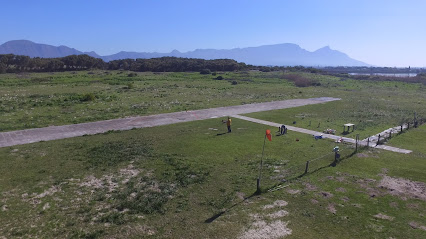
Peninsula Radio Flyers is a Airstrip establishment in Cape Town, Western Cape, South Africa
Cape Town
Western Cape
South Africa
Sorry, no records were found. Please adjust your search criteria and try again.
Sorry, unable to load the Maps API.
Airstrip Services in Cape Town, Western Cape
Airstrip operations in Cape Town, Western Cape, sit within a coastal environment that blends dramatic scenery with a bustling aviation sector. The services associated with airstrips in this region typically cover a range of practical needs for private pilots, commercial operators, and specialised transports. From narrow suburban airstrips to larger aerodromes, these facilities are configured to support efficient, safety‑driven aviation activity while conforming to local regulations and regional weather patterns.
Key service areas commonly encountered in the Cape Town area include the provision of landing and take‑off facilities, ground handling, and basic passenger or cargo transfer support. Smaller airstrips may offer straightforward access for private aircraft, with layby or apron space and rudimentary maintenance or refuelling arrangements. Larger aerodromes near the city provide more extensive services, including paved runways suitable for a wider range of aircraft, control tower operations, and more comprehensive ground support. In all cases, the availability of such services depends on the specific airstrip’s classification, capacity, and hours of operation.
Aircraft movements at Cape Town’s airstrips are influenced by weather conditions and airspace regulation. The western cape coastline can bring variable winds and coastal weather systems, which pilots and operators must monitor closely. Airstrip operators typically publish relevant weather advisories and coordinate with local air traffic control where applicable. Planning ahead for peak periods, maintenance windows, and possible restrictions helps ensure smoother operations for arrivals, departures, and overflight clearances.
Clients seeking airstrip services can expect a pragmatic sequence of steps when arranging operations. Initial arrangements usually involve identifying the most suitable airstrip for the mission, considering factors such as runway length, terrain, and proximity to final destinations. Following this, a coordination phase occurs where flight details, estimated times, and ground logistics are discussed with the operator. On arrival, aircraft are guided to designated parking or apron areas, where basic handling, refuelling, or cargo transfer may take place, depending on the facility. Departure similarly follows a defined flow, with ramp services, security checks, and timely clearances to ensure a compliant turnaround.
Practical considerations are central to airstrip use in Cape Town. Accessibility can vary by location, with some airstrips situated near business districts or industrial zones and others more remote. Security measures, including controlled access to apron areas and adherence to storage rules for aviation fuel and equipment, are typically emphasised. Ground transport arrangements to connect passengers and cargo with surrounding infrastructure—such as hotels, offices, or freight hubs—are often coordinated in advance to minimise delays. Noise considerations and local community guidelines may also influence operating hours and flight schedules in certain neighbourhoods.
For businesses and individuals exploring airstrip services, it is useful to understand the scope of typical offerings without assuming platform‑specific features. These may include ground handling, basic maintenance support, refuelling arrangements, cargo handling, and coordination with local authorities for safety and compliance. It is prudent to confirm any service level expectations, access rights, and preferred contact channels with the airstrip operator before planning an operation. While prices, certifications, and supplier names vary by site, the overarching aim remains clear: to provide reliable access to suitable airstrips while maintaining safety, efficiency, and regulatory compliance within the Western Cape’s aviation landscape.