Wagtail Aviation (Pty) Ltd is a Aviation training institute establishment in Parys, Free State, South Africa
Wagtail Aviation (Pty) Ltd — Aviation training institute in Parys, Free State
Wagtail Aviation, based in Sasolburg and linked with Noble Aerospace Systems (Pty) Ltd, operates in the South African aviation sector with a focus on gyroplanes and related training, maintenance, and development activities. The organisation presents itself as a long-standing developer and operator of rotorcraft, emphasising reliability, in-house engineering, and a strong commitment to national aviation standards. The business positions itself as a technology and manufacturing partner in the gyroplane field, with activities spanning design, testing, maintenance organisation (AMO), and a recognised training pathway for gyroplane pilots.
The primary service mix includes Gyrocopter Pilot Licence Training, comprehensive maintenance offerings, and specialised design and build capabilities for gyroplanes. The company’s stated mission is to provide safe, reliable and cost-effective products to the gyroplane community worldwide, with a vision to revolutionise aviation through innovative gyroplane design. A primary emphasis is placed on compliance with South African Civil Aviation Authority (SACAA) requirements, and the practice is described as integrating maintenance operations, commercial flight of non-type certificated aircraft (NTCA), and training operations under SACAA regulations.
Training is delivered through a structured gyroplane pilot licence programme designed to take learners from foundational theory to practical flight proficiency. The Gyrocopter Pilot Licence Training comprises several phases, including ground school and practical flight instruction. The curriculum covers fundamental topics such as principles of flight, aircraft knowledge, radio communication procedures, air law and air traffic control procedures, meteorology, navigation, and human factors. The practical component aligns with the specific gyroplane model used for instruction, ensuring that the licenced pilot is authorised to fly the corresponding aircraft type.
The senior instructional capacity is highlighted by Greg Vos, a qualified senior flight instructor with experience across gyroplane and helicopter ratings. Training offerings are listed with a broad spectrum of aircraft types, including popular gyroplanes such as the Magni series (M16, M22, M24) and other models (ELA07, ELA08, Xenon, AAT Zen1, AAT Tercel, AutoGyro lines), reflecting an expansive rating capability for both instruction and test piloting. This breadth signals an emphasis on practical readiness for a variety of gyroplane configurations, subject to model-specific certification and proficiency requirements.
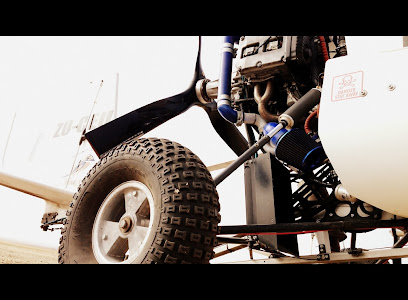
Beyond training, Wagtail’s activities encompass gyroplane construction and customised design. The organisation promotes a bespoke design approach, offering custom gyroplane design to address specialised needs such as security, patrolling, crop spraying, and recreational flying. The Trojan gyroplane is highlighted as a signature design, with ongoing refinements and a track record of aerospace engineering development. Construction work is described as taking place in South Africa, with an emphasis on precision fabrication and integration of in-house developed rotor systems and prerotator mechanisms. The company’s build and design capabilities position it as a potential partner for organisations seeking customised aerial platforms for varied operational requirements.
Ordering, registration, and regulatory compliance are explicitly addressed in the site material. The registration process section outlines a stepwise approach: obtaining a build number from SACAA before construction, securing a registration certificate (ZU number), obtaining radio licensing (ICASA), and joining relevant aviation clubs. It also details the licensing path, including Recreational Pilot Licence for Gyrocopters (Part 62) and evidence of ongoing compliance through Approved Persons supervision. Proving flight permits, insurance considerations, and licences for the pilot are also described, with continued support for annual or recurring regulatory updates through Wagtail’s assistance. This framework suggests a service model that not only trains pilots but also guides owners through the regulatory lifecycle of gyroplane ownership.
Visitor feedback offers a glimpse into the customer experience. Review excerpts praise the team’s understanding of gyroplanes and the value of having an in-house testing facility, noting that such infrastructure can significantly enhance confidence for prospective buyers and pilots. Testimonials from a range of reviewers describe the staff as knowledgeable and approachable, with impressions of friendly, aviation-enthusiast culture around the facility. Several reviews also touch on the practical, hands-on atmosphere and the availability of refreshments, underscoring a tangible sense of community and responsiveness in the training and testing environment.
Typical job lines or areas served include gyroplane operation and training within South Africa, with specific reference to programmes aligned to SACAA Part certifications and the broader NTCA framework. The projects and collaboration notes indicate a broader regional footprint, including active engagement in Africa beyond South Africa, suggesting a capability to support cross-border training and aviation development initiatives as part of the company’s expansion activities. The team page lists a broad roster of engineers, designers, technicians, and flight instructors, underscoring the breadth of technical and educational expertise available through the organisation.
- Main services offered: Gyrocopter pilot licence training (theory and flight), maintenance operations, custom gyroplane design and build, documentation and regulatory registration assistance, and ongoing compliance support.
- Typical job types / industries: Gyroplane operation and maintenance, rotorcraft design and testing, aviation project collaborations with research entities, and training programmes for recreational and commercial gyroplane pilots.
- How requests usually work: Initial contact through the site, followed by structured progression through theory and practical training, with regulatory and administrative steps guided by Wagtail staff; ongoing oversight by Approved Persons during the build and training processes.
Practical tips for customers include familiarising with the phase-based training structure and ensuring readiness for both ground school topics and model-specific flight instruction. Prospective students and clients should anticipate regulatory and registration steps early in the process, particularly SACAA build numbers, radio licensing, and aviation club memberships. Given the facility’s emphasis on in-house testing and hands-on instruction, planning for practical sessions alongside theoretical coursework can optimise learning and time management.
Location and access notes indicate service areas centred on South Africa, with outreach activities in other African countries through ongoing projects. The site portrays Wagtail Aviation as a multidisciplinary aviation provider, combining training, design, maintenance, and project collaborations under an accreditation framework aligned with SACAA standards, and supported by a team with substantial industry experience.
Parys
Free State
South Africa
Sorry, no records were found. Please adjust your search criteria and try again.
Sorry, unable to load the Maps API.
Aviation Training Institute Services in Parys, Free State
In the heart of the Free State, aviation training institutes in Parys offer a range of programmes designed to prepare aspiring pilots, aviation technicians and professionals for the demands of the aviation industry. These institutes typically provide both theoretical instruction and practical hands‑on experience, aligned with national aviation authorities and standards. The emphasis is on safe operation, regulatory compliance and the development of core competencies essential for entry into various aviation career paths.
Core offerings commonly include ground schooling for pilots and engineers, which covers air law, meteorology, navigation, aircraft systems, flight planning and safety procedures. Ground school forms the backbone of licensing and certification processes, helping students build the foundational knowledge required to progress to practical flight or maintenance training. Where available, experienced instructors tailor sessions to different learning stages, ensuring concepts are understood before advancing to more complex applications.
Flight training is a principal service, with programmes designed forPrivate Pilot Licence (PPL) aspirants, Commercial Pilot Licence (CPL) candidates and instrument flight rules (IFR) proficiency. Training typically balances simulator work with real-world flights, enabling gradual skill development under controlled supervision. Flight instructors emphasise cockpit management, decision‑making, communication with air traffic services and adherence to safety protocols. Students can expect structured progress checks, skills tests and formal assessments aligned with regulatory requirements.
Aviation maintenance and engineering training represents another pillar of offering, often including aircraft systems familiarisation, airframe and powerplant courses, and component maintenance. Practical sessions may occur within repair hangars or maintenance facilities, supplemented by theory modules on inspection procedures, troubleshooting and compliance with maintenance standards. Such programmes aim to prepare learners for recognised aviation maintenance qualifications and the practical readiness required for on‑the‑job roles.
Safety, security and operational efficiency receive ongoing attention through courses in safety management, risk assessment, element of human factors and emergency procedures. These modules serve both new entrants and those seeking refresher training, reinforcing best practices and a culture of continuous improvement throughout the aviation environments in which graduates work.
Additional services frequently offered include type‑specific training and endorsements, airport familiarisation, and outbreak of industry updates regarding regulatory changes. Some institutes provide access to flight simulators, modern classrooms, library resources and study support to bolster learning outcomes. Where partnerships exist with flight schools or industry organisations, students may benefit from collaboration on projects, internship opportunities or industry networking events designed to enhance employability.
Practical considerations for learners include assessment of entry requirements, such as medical standards, language proficiency and prior educational qualifications. Prospective students are advised to review programme duration, tuition expectations, accommodation options and the availability of financial assistance or scholarships in the surrounding region. In Parys, the local context may influence training logistics, including regional weather patterns, airspace structure and access to nearby aviation facilities. A typical training pathway is structured yet flexible, allowing progression through theory, simulation and hands‑on practice at a measured pace that aligns with personal circumstances and career objectives.
Overall, aviation training institutes in Parys, Free State, aim to deliver comprehensive education and practical experience across pilot, technician and safety disciplines. By combining disciplined instruction with practical exposure, these institutes prepare learners to pursue professional opportunities within the South African aviation sector and beyond, while emphasising regulatory compliance, safety culture and professional development.