Starlite Aviation Training Academy – Durban is a Flight school establishment in Durban, KwaZulu-Natal, South Africa
Starlite Aviation Training Academy – Durban: Flight School Summary
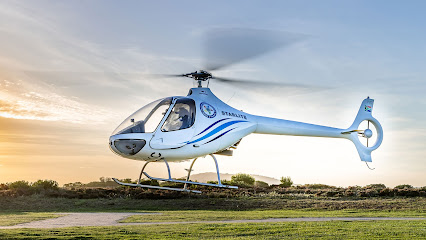
Starlite Aviation Training Academy, based at Virginia Airport in Durban, KwaZulu-Natal, operates as part of the SAF Aerogroup. The Durban campus offers comprehensive pilot training across helicopters, fixed-wing aircraft and unmanned systems, aiming to foster skills, safety and career development within the aviation sector. The academy serves both local and international students from its Durban site and, more broadly, reflects the group’s global experience in providing flight training, aircraft maintenance support and logistics across Africa and beyond.
The core offering at the Durban Training Academy encompasses a broad spectrum of aviation training programmes. Prospective pilots can pursue the Private Pilot Licence (PPL), Commercial Pilot Licence (CPL), and Airline Transport Pilot Licence (ATPL) pathways, alongside specialised credentials such as Remote Pilot Certificate for drone operations. In addition to traditional pilot training, the academy provides simulator training, English language proficiency and instrument rating options, enabling candidates to build flight hours and competencies in a range of aviation disciplines. There is deliberate emphasis on practical throughput combined with strong ground-school instruction, supported by a modern, well-maintained fleet of aircraft to ensure high training standards.
Drone pilot training forms a sizeable part of the academy’s offerings. The drone programmes focus on RPC (Remote Pilot Certificate) renewals, training courses and instructor courses, with a view to equipping graduates for commercial UAS operations. This sector aligns with industry demand for skilled drone operators in roles such as search and rescue, agricultural applications and mining-related projects, thereby broadening employment opportunities for graduates.
Beyond flight training, the academy contributes to the practical, real-world aviation landscape through connections with Starlite’s broader capabilities. The training operation is presented in the context of a company recognised for safety, quality and reliability, with a reputation for high standards of ground instruction paired with flight training conducted in a modern fleet. The overarching emphasis on aviation safety is reflected in the academy’s stated commitment to safety standards and quality, which resonates with students and industry partners alike.
For students and clients seeking information on fees or programme details, the training site indicates a straightforward enquiry process: complete a form to be contacted for pricing and further information. This simple, policy-driven approach is consistent with the group’s ethos of clear communication and personalised service, helping learners understand expectations and plan their training journey.
The customer experience at Starlite Aviation Training Academy is illustrated by visitor feedback received for the Durban operation and related Starlite offerings. Respondents describe the atmosphere as professional and welcoming, with instructors and staff repeatedly praised for their passion and expertise. Several reviewers highlight the constructive learning environment, the quality of instruction, and the courteous, helpful administration. Such testimonials reinforce the impression of a training facility that prioritises student support alongside rigorous flight training.
In addition to flight training, Starlite operates a broader aviation services portfolio, including helicopter and fixed-wing charter/tour flights, aircraft sales, maintenance management, and related aviation services. The Durban location is positioned to support a range of operations within Africa and beyond, including corporate travel, VIP transport, air safaris and mission-specific deployments, which may be of interest to graduates seeking employment within a diversified aviation career path.
- Main services offered: helicopter, aeroplane and drone training; simulator-based instruction; ground-school and flight training; drone RPC and instructor courses; English proficiency and instrument rating options.
- Typical job types and industries (where stated): commercial piloting (PPL, CPL, ATPL), remote drone operations, aviation training roles, and potential positions within charter, tour, and maintenance support activities.
- How requests usually work: interested individuals complete an information form to receive pricing and details; ongoing communication supports personalised programme planning.
Practical tips for prospective students include allowing sufficient time to complete both theoretical coursework and practical flight hours, appreciating the importance of a solid safety ethos, and engaging with staff and instructors to understand programme expectations and progression opportunities. The Durban campus’ proximity to Virginia Airport situates the academy within a well-connected aviation hub, convenient for local trainees and international entrants seeking access to African flight training opportunities.
Overall, Starlite Aviation Training Academy – Durban presents a credible, safety‑minded pathway for individuals seeking to become professional pilots or to pursue drone and other aviation-related qualifications, supported by a responsive training framework and a recognised aviation group with global experience.
Durban
KwaZulu-Natal
South Africa
Sorry, no records were found. Please adjust your search criteria and try again.
Sorry, unable to load the Maps API.
Flight School Services in Durban, KwaZulu-Natal
In Durban, KwaZulu-Natal, flight schools provide a range of practical and theoretical aviation training designed to support aspiring pilots through various stages of qualification. The programmes typically combine ground instruction with hands-on flying, carried out at local aerodromes and supported by on-site classrooms or training facilities. Prospective students can expect a structured pathway that balances air discipline, safety, and core aviation knowledge, adapted to the unique weather and airspace characteristics of this coastal region.
Training organisations commonly offer a progression from introductory lessons to more advanced certificates and ratings. Initial experiences often focus on basic aeroplanes and flight fundamentals, including handling characteristics, navigation, and communication procedures. As progress is made, students may undertake cross-country flights, instrument training, and eventually more complex operations. The aim is to build solid piloting foundations before advancing to specialised training or higher-level licences.
Ground school forms an essential part of the curriculum. Students typically study aerodynamics, meteorology, flight planning, international and domestic regulation, air traffic control procedures, and human factors. Lessons may be delivered through a mix of classroom sessions and digital learning materials, with assessments to verify understanding. Ground instruction supports the practical side of flying by enabling safer decision-making and efficient flight planning in varied Durban conditions, including coastal winds and subtropical weather patterns.
Aircraft and facilities are selected to match the training goals. A typical fleet includes light training aircraft chosen for responsiveness and reliability, with maintenance routines designed to ensure airworthiness. Some Durban training organisations provide simulators or training devices to reinforce procedures, etiquette in the cockpit, and instrument interpretation without the cost of continuous flight time. Access to well-maintained runways, airspace familiarisation, and realistic radio communication practice are valued components of the training environment.
Practical training emphasises safety, radio discipline, and navigation accuracy. Trainees learn to plan flights comprehensively, calculating fuel requirements, performance limits, and contingency procedures for deviations from planned routes. Supervision is provided by qualified instructors who guide students through the learning curve, including debriefs after flying sessions to identify strengths and areas for improvement. Emphasis is placed on developing good cockpit resource management, situational awareness, and adherence to standard operating procedures.
Practical considerations specific to Durban include the influence of coastal weather and air traffic patterns. Students often begin with local pattern work, progressing to longer cross-country routes as confidence grows. Availability of training slots can be influenced by weather, maintenance schedules, and demand at peak times such as holiday periods. It is common for programmes to stipulate minimum medical examinations, fitness considerations, and periodic skill refreshers to maintain readiness for continued training.
Potential customers should evaluate several practical factors before enrolment. These include the transparency of training milestones, the length of time required to achieve certain ratings, and the overall running costs associated with air time, instructor supervision, and facility access. It is prudent to confirm the recognised standards of the training provider, the renewal requirements for medical certificates, and any local regulatory expectations that influence licencing pathways. While prices and specific offerings vary, the focus remains on delivering consistent instruction, safe flight operations, and progressive skill development tailored to Durban’s aviation landscape.