Alpha Aviation is a Flight school establishment in Heidelberg – GP, Gauteng, South Africa
Alpha Aviation: Flight Training and Aviation Services at Heidelberg Airport
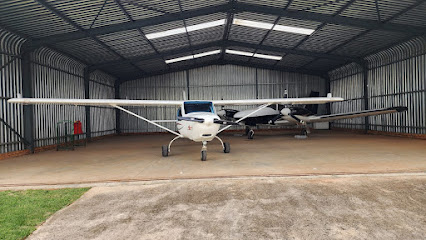
Alpha Aviation operates from Heidelberg Airfield (FAHG) in Gauteng, offering a focused suite of flight training and related aviation services. Established in 2021, the organisation positions itself on safety, high training standards, and contemporary teaching methods as the core of its approach. The facility leverages a state-of-the-art FNPT II simulator to complement hands-on flight instruction, underpinning a structured pathway from basic pilots' licences to advanced ratings.
Core training offerings cover both Private Pilot Licence (PPL) and Commercial Pilot Licence (CPL) trajectories, with additional ratings such as Night Rating, Instrument Rating, and Multi-Engine Rating. The curriculum emphasises practical flight experience alongside theory through in-house ground school courses and an accredited online examination centre. This combination is designed to streamline examination processes (PPL, Night Rating, and related subjects) while maintaining rigorous safety and quality controls throughout the training journey. Revalidation services for PPL and CPL are also listed, enabling ongoing currency for active pilots.
In terms of practical delivery, Alpha Aviation provides:
- Full-time and part-time ground school courses aligned with PPL, CPL, and associated exams.
- Practical flight training with a focus on safety and high training standards.
- An in-house, SACAA-accredited online exam centre for convenient, on-site assessment.
- Hour-building opportunities at Heidelberg for cross-country flights and skills enhancement.
- Aircraft sales services, including purchase guidance and support (as part of their broader aviation offering).
Facilities and location are centred on Heidelberg Airport, positioned about 45 minutes south of Johannesburg and roughly 15 minutes south of Rand Airport. The airfield information is detailed for pilots, outlining standard left-hand circuits in normal operations and adjustments when aerobatic activity is present. Local operating particulars include fuel availability (AVGAS daily during defined hours) and parking provisions, underscoring a practical, hands-on training environment that integrates typical aerodrome procedures with training needs. The Heidelberg site also highlights safety as a continuous priority, with monthly safety meetings, events, and demonstrations intended to foster safer piloting practices among trainees and staff.
Alpha Aviation’s instruction team is described as highly qualified, with a focus on progressive teaching methods and up-to-date study materials. A culture emphasising timely progression through training is conveyed, with an emphasis on identifying and addressing safety risks or quality issues through ongoing monitoring. The programme aims to balance comprehensive training with a realistic timeframe for completing courses and ratings, making it possible to advance from initial PPL training to more advanced qualifications within a coherent timeline.
The range of courses on offer includes:
- Private Pilot Licence (PPL) and related ground school courses
- Commercial Pilot Licence (CPL) training
- Night Rating, Instrument Rating, and Multi-Engine Rating
- PPL and CPL renewals
- Ground school for PPL/CPL, with online exam facilities
- Aircraft purchase assistance and general aviation support services
Customer experiences, as reflected by the available materials, emphasise practical access to training, structured study pathways, and a supportive instructor cohort. The on-site simulator is presented as a valuable supplement to real-world flight training, enabling scenario-based learning in a controlled environment. The facility’s emphasis on safety, combined with a clear pathway from foundation to advanced ratings, may appeal to aspiring pilots seeking a local, integrated training hub within the Johannesburg region.
Practical tips for customers planning to engage Alpha Aviation:
- Clarify your training timeline and preferred study mode (full-time vs. part-time) to align with available ground school options.
- Take advantage of the on-site SACAA-accredited online exam centre to manage examinations efficiently.
- Discuss hour-building goals early to map a realistic progression plan from PPL towards CPL and additional ratings.
- Inquire about aircraft purchase guidance if considering a long-term aviation investment, including available aircraft types and eligibility for training packages.
- Note Heidelberg’s aerodrome procedures and fuel availability times to plan practice sessions and cross-country flights accordingly.
Operating hours and best times to visit are implied by the Heidelberg site details, including fueling hours and the typical daily activity at the airfield, with stated information about fuel availability and open periods. The service area clearly centres on Heidelberg and the surrounding Gauteng region, with the Heidelberg airport community and associated aviation organisations referenced as part of the local aviation ecosystem.
Heidelberg - GP
Gauteng
South Africa
Sorry, no records were found. Please adjust your search criteria and try again.
Sorry, unable to load the Maps API.
Flight School Services in Heidelberg, Gauteng
Within Heidelberg, Gauteng, flight schools offer a range of aviation training designed to guide aspiring pilots from initial familiarity with aircraft to the complexities of professional flight. The services typically fall into stages that reflect common requirements for obtaining pilot licences and building flight hours as part of a broader aviation pathway. Students can expect programmes that balance theoretical study with practical flying time, conducted under the oversight of experienced instructors and within accredited training environments.
One of the core offerings revolves around introductory and primary flight training. This stage introduces learners to the fundamentals of aviation, basic aircraft handling, manoeuvres, and elementary navigation. The aim is to build confidence and safety awareness, with an emphasis on discipline, radio communication, and adherence to standard procedures. Instructors often structure this phase around short, consistent lessons that gradually increase in complexity as proficiency improves. The outcome is a clear progression from ground school to the first solo flight and the subsequent development of more advanced skills.
Intermediate and advanced pilot training forms another substantial element. This typically includes instrument flight rules (IFR) concepts, multi-engine considerations where applicable, and more demanding navigation techniques. Facilities at Heidelberg-based training centres may incorporate simulators, classroom sessions, and supervised flights that reinforce decision-making under pressure. The focus remains on professional standards, safety management, and the ability to perform reliably in various weather and airspace conditions. Prospective students should expect a curriculum that aligns with recognised aviation curricula and local regulatory requirements, subject to updates and revisions by civil aviation authorities.
In addition to flight training, many schools provide comprehensive ground schooling. Ground instruction covers aviation theory, meteorology, aircraft systems, human factors, weight and balance, and flight planning. This theoretical knowledge supports practical flying and helps trainees understand the rationale behind procedures, checklists, and safety protocols. Review sessions, examinations, and periodic assessments are common components of the learning cycle, with some programmes offering structured progression checkpoints to mark readiness for more advanced stages.
- Aircraft familiarisation and safety briefing
- Solo flight readiness and instructor-supervised sessions
- Instrument and navigation techniques
- Flight planning, fuel planning, and meteorology
- Radio communication and airfield procedures
- Emergency procedure practice and anomaly handling
Practical considerations for engaging with a flight school in Heidelberg include accessibility to training aircraft, airstrip operations, and scheduling flexibility. Prospective students may assess proximity to home, available study blocks, and the suitability of training times for balancing work, family commitments, and aircraft utilisation. Safety facilities, maintenance standards, and the reputation of instructors are important criteria, as is the clarity of progression routes towards licences and ratings recognised by the appropriate aviation authorities.
Customers can expect transparent information on what is required to commence training, including medical prerequisites, initial assessments, and any appointment or intake procedures. While specific fees and programme names vary between providers, the general model emphasises gradual skill development, regular assessment, and the accumulation of flight hours under supervision. The final aim is to equip trainees with the competence and discipline needed to pursue further qualifications or careers within the aviation sector, subject to regulatory validation and ongoing professional development.