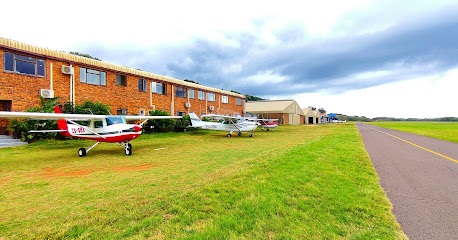
AAA 4 PILOTS is a Flight school establishment in Durban, KwaZulu-Natal, South Africa
Durban
KwaZulu-Natal
South Africa
Sorry, no records were found. Please adjust your search criteria and try again.
Sorry, unable to load the Maps API.
Flight School Services in Durban, KwaZulu-Natal
Durban, situated on the eastern coast of South Africa, hosts a range of flight training establishments that cater to aspiring pilots and aviation enthusiasts. Flight schools in this region typically provide a blend of theoretical instruction and hands‑on flight experience, supported by aircraft fleets tailored to different training stages. The focus often lies on developing solid fundamentals in aviation knowledge, navigation, meteorology, and aircraft handling, culminating in practical flight hours that align with national regulatory requirements.
Core offerings commonly include introductory flights for newcomers, continued flight training for Private Pilot Licence (PPL) or equivalent licences, and progression programmes for Commercial Pilot Licence (CPL) or Instrument Rating (IR) interests. Students may have access to simulator sessions, where applicable, to practise aviation scenarios in a controlled environment before flying solo or with an instructor. Ground school sessions cover essential subjects such as aerodynamics, flight planning, air law, and safety procedures, typically delivered by qualified instructors with local regulatory insight.
Operational structures tend to vary by school, yet several common elements emerge. Initial assessments help determine a learner’s aptitude and objectives, followed by an education plan that maps out required flight hours, simulator time, and written examinations. Training flights are generally structured with a certified flight instructor who provides step‑by‑step guidance, checks performance, and documents progress. While individual routes may differ, most students progress through stages that build confidence in take‑offs, landings, basic aerobatics where appropriate, and cross‑country navigation skills across varied Durban airspace and nearby regions.
Practical considerations frequently influence the training experience. Durban airfields and surrounding facilities offer diverse weather patterns, terrain, and air traffic environments, which can enrich realism but also demand careful planning and flexibility. Learners customarily schedule lessons around weather windows, with backups for days when conditions are unfavourable. Safety is emphasised through pre‑flight briefings, risk assessments, and adherence to standard operating procedures. Maintenance standards, aircraft availability, and instructor experience are practical factors that shape the cadence and cost of training. Prospective students are advised to verify the fleet mix, engine types, and any limitations that may affect training pace or the suitability of the aircraft for a given licence pathway.
Costs associated with flight training in Durban tend to reflect factors such as aircraft rental, instructor fees, airfield charges, and professional examination costs. While exact pricing varies by school and programme, careful budgeting typically accounts for a defined minimum number of hours, variable flight times, and study materials. Some schools offer bundled packages for certain licences or ratings, while others provide à la carte options to suit individual timelines and financial planning. Transparent discussion of expected expenditure and potential additional costs is prudent during the initial enquiry stage.
For those seeking certification or personal proficiency, many Durban flight schools provide guidance on regulatory requirements, including the process for obtaining licences, medical examinations, and ongoing currency. Learners are encouraged to engage with the school’s training plan, attendance expectations, and progress reporting to ensure alignment with regulatory milestones. In addition to formal qualifications, the experience gained may emphasise practical aviation skills, situational awareness, and professional discipline—all valuable attributes for pursuing a career or hobby in aviation within South Africa and the wider region.
Overall, Durban‑based flight schools aim to deliver structured, safety‑driven training that progresses from introductory experiences to formal flight credentials. Prospective trainees can expect a collaborative learning environment that combines theoretical knowledge with practical flight hours, conducted under the supervision of qualified instructors in a locale known for its dynamic aviation landscape.