Franschhoek Motor Museum (by appointment only) is a Museum establishment in Franschhoek, Western Cape, South Africa
Franschhoek Motor Museum (by appointment only) – Services and Visitor Experience
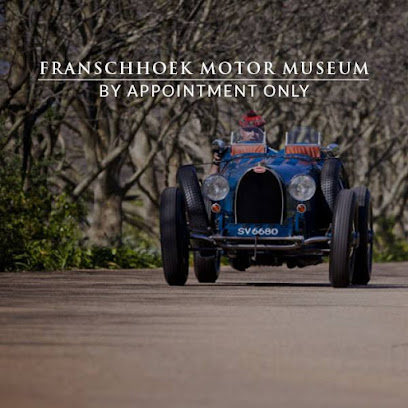
The Franschhoek Motor Museum is a substantial private collection that chronicles more than a century of automotive history. Located in the wine country of L’Ormarins, Franschhoek, in the Western Cape, the venue presents an extensive repertoire of vehicles, motorcycles, bicycles and related memorabilia. The collection comprises over 220 vehicles, with more than 80 exhibits displayed at any one time, arranged in four de-humidified halls that collectively span around 2,700 square metres. The items are presented in chronological order to aid visitors’ understanding of automotive evolution.
For visitors seeking a structured encounter, guided experiences are available in the form of museum tours. These tours are complemented by the opportunity to enjoy lighter refreshments at the on-site deli, and for those with an interest in premium experiences, a tram ride can be arranged to Anthonij Rupert Wines for a wine-tasting engagement. The layout and curation purposefully emphasise storytelling around each vehicle, with a focus on historical context as well as design details.
Access and payments are organised with contemporary convenience in mind. The museum operates on a cashless basis, accepting electronic payments for bookings and purchases. This approach aligns with a modern visitor experience by minimising on-site handling of cash and expediting transactions for a smoother visit.
The site is described as wheelchair friendly, signalling a commitment to accessible viewing and movement around the halls. Practical considerations for visitors include vehicle restrictions on the Estate: buses larger than a 23-seater and motorcycles are not permitted on the L’Ormarins Estate. Guests arriving by large buses should park at Anthonij Rupert Wyne Estate, where a complimentary shuttle can transport up to 18 guests at a time to the museum. When bookings are made, it is advised to indicate whether parking at Anthonij Rupert Wyne Estate will be used so that tram transport arrangements can be planned accordingly.
The museum’s hours are set to accommodate day visits from morning through late afternoon. Opening times are Monday to Friday, 10:00 to 17:00 (last admittance at 16:00), and Saturday, Sunday and public holidays from 10:00 to 16:00 (last admittance at 15:00). The establishment notes that it reserves the right to close without prior notice; in such cases, booked tickets are postponed or refunded where applicable. The venue is closed on Good Friday and Christmas Day. These timings and policies provide a predictable framework for planning a visit, particularly for guests combining a museum trip with other Franschhoek activities.
Customer feedback, drawn from visitor reviews, highlights several recurring themes. Enthusiasts praise the breadth and calibre of the collection, noting the presence of both historic and more modern vehicles, along with motorcycles and bicycles. Reviewers repeatedly mention well-maintained display conditions, visibility in air-conditioned spaces, and the value of guided insights, with many recommending booking in advance to secure access. The overall sentiment underscores the museum as a “gem” for car lovers, families and casual visitors alike, with multiple accounts emphasising the value of the storytelling and the quality of the exhibits. Some reviewers also reference the accessible and pleasant reception experience, as well as the potential for a memorable combination outing, especially when paired with nearby wine-tasting options.
Typical visitor experiences centre on a self-guided or partly guided exploration of four main show halls, complemented by rotating highlights (for example, notable models such as those from Alfa Romeo, Mercedes-Benz and other historic marques). Although a significant portion of the collection is static, guests may encounter vehicles of varying ages, including veteran, classic and sports cars, as well as rare memorabilia. Several reviews mention the usefulness of asking a guide about specific vehicles to unlock the full historical context and personal stories behind individual exhibits.
Practical tips for visitors include: book tickets online in advance due to the cashless system and capacity considerations; plan for a couple of hours to explore the four halls thoroughly; be prepared for the typical Cape Town–Franschhoek climate by wearing comfortable footwear and bringing sun protection; check whether a tram transfer is required if parking at the Anthonij Rupert Wyne Estate is chosen; and consider pairing the museum visit with a local wine-tasting stop to maximise the day’s experience. For those driving, note the estate’s access rules regarding vehicle size and dedicated shuttle options from partner estates.
In terms of service scope, the Franschhoek Motor Museum primarily offers curated vehicle displays, educational storytelling through historical artefacts, and a companion deli experience, plus optional transport links to wine-tasting venues. The combination of a substantial, well-kept collection, accessible facilities and a customer-focused, cashless workflow contributes to a visitor experience suitable for motor enthusiasts, families and travellers exploring Franschhoek and the Western Cape.
Franschhoek
Western Cape
South Africa
Sorry, no records were found. Please adjust your search criteria and try again.
Sorry, unable to load the Maps API.
Museum Services in Franschhoek, Western Cape
Within the picturesque town of Franschhoek, an array of museum services offer visitors an insight into the region’s rich cultural, historical, and artistic heritage. These services are typically designed to accommodate a broad audience, from curious locals to international travellers, and aim to present engaging experiences that are informative, accessible, and well managed.
Core offerings usually centre on curated exhibits that document the local history, including the colonial and Cape Dutch influences that shaped Franschhoek and the broader Western Cape. Exhibitions may feature artefacts, archival materials, and interpretive displays that contextualise the area’s winemaking traditions, cuisine, and street-life heritage. The presentation of material is often designed to be navigable for varied age groups and levels of prior knowledge, with clear signage and logical pathways through the displays.
Educational and outreach activities form a significant thread in museum services. Restful, well-structured programmes are commonly available for school groups, adults, and specialised interest groups. These can include guided tours led by trained staff or volunteers, interactive workshops, and talks that illuminate particular themes such as agricultural heritage, local crafts, and the development of Franschhoek as a cultural hub. Materials may be prepared for lending to schools or community organisations, ensuring that learning extends beyond the gallery space.
Visitor facilities and practical considerations are important components of the museum experience. Accessible entrances, clean and well-signposted routes, and considerate climate control help protect exhibits while ensuring comfort for guests. Gift shops and small on-site amenities often accompany visitor areas, offering curated books, replicas, and locally themed keepsakes that reflect the region’s identity. Rest areas and mobility-friendly provisions contribute to a welcoming environment for travellers who may be touring on foot or with family groups.
Conservation and collection management are fundamental to the operation of museums in Franschhoek. Safeguarding artefacts, documents, and artworks involves routine environmental monitoring, careful handling procedures, and compliance with professional ethics regarding provenance and display. Public exhibitions are typically rotated to balance preservation needs with the opportunity to present a diverse programme over time. Some spaces may collaborate with regional partners to broaden the scope of offerings while maintaining local relevance.
Community engagement is a notable feature in this part of the Western Cape. Museums often act as cultural anchors within Franschhoek, supporting regional storytelling and preserving intangible heritage such as oral histories, traditional crafts, and culinary customs. Partnerships with local artists, historians, and culinary historians help enrich the narrative while reinforcing the town’s standing as a destination for heritage tourism and cultural discovery.
When planning a visit, several practical considerations can enhance the experience. Checking opening hours, ticketing arrangements, and any guided collaboration schedules helps align expectations with availability. Visitors should consider weather and terrain, particularly if an outdoor component or historic site is involved. Accessibility information, parking options, and proximity to other cultural attractions in Franschhoek can influence the overall itinerary. For those with specific interests, such as genealogy, architecture, or winemaking history, it is useful to inquire about temporary exhibitions or specialised tours that may be offered periodically.
In summary, museum services in Franschhoek provide a blend of historical interpretation, educational programming, conservation discipline, and visitor-focused facilities. The experience is crafted to be informative and engaging while respecting the region’s distinctive character. For travellers seeking a deeper understanding of Franschhoek’s past and its continuing cultural influence, museum venues offer a thoughtful and well-organised point of reference within this renowned Western Cape town.