TMFC Model Airfield is a Recreation center establishment in Cape Town, Western Cape, South Africa
TMFC Tygerberg Model Flying Club – Recreation Centre in Cape Town
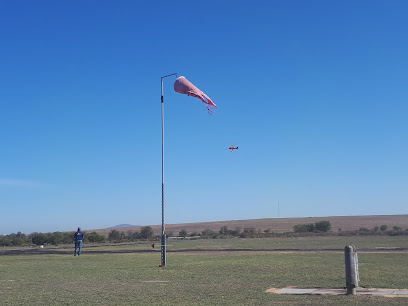
TMFC Tygerberg Model Flying Club sits in the Western Cape, just outside Durbanville on the R304 towards Stellenbosch, offering a specialised recreation facility dedicated to radio-controlled aircraft. The club’s core aim is to promote both fun and competitive RC flying, with activities that span aerobatics, replica scale models, pylon racing, helicopters and gliders. It operates as a training and development hub for model pilots, emphasising safety, instruction, and community involvement among enthusiasts of varied experience levels.
Facilities and services at TMFC are tailored to both novices and more experienced flyers. Training for new pilots is a prominent feature, with the club providing instructors and a structure designed to develop flying skills safely. A number of SACAA-approved ARO instructors are available to teach once membership is established, using methods such as the buddy-cable system to allow controlled practice and quick regain of control if needed. The club also supports pilots who pursue more formal wing grading or proficiency assessments through SACAA and RCASA resources available to members.
Within the club’s framework, Special Interest Groups (SIGs) support a wide range of flying disciplines. Members can engage with areas such as extreme aerobatics, scale flying, jets, gliders, helicopters, and more. This SIG structure helps pilots refine specific styles while enjoying a collaborative community. The venue frequently hosts weekend flying sessions, weather permitting, with runways prepared to accommodate varying wind conditions. The emphasis on a safe, managed environment aims to keep flying enjoyable for visitors and members alike.
How the process typically works
Prospective flyers and new members navigate a formal joining process designed to ensure proper oversight and safety. Prospective members must be SACAA-registered, connected to an approved ARO, and will usually attend a general meeting and meet current members before finalising eligibility. The club asks applicants to complete an application form, obtain the necessary approvals, and pay joining and annual fees only after their application has been accepted. Once admitted, new members gain access to the club’s facilities, training resources, and the safety protocols that govern field operations.
Visitors and guest pilots are subject to the club’s field rules. These rules cover everything from pilot qualification requirements and fuel handling to runway etiquette and safety practices. A safety officer role is established when two or more members are present, reinforcing a culture of shared responsibility on and around the airfield. The policy also highlights the importance of keeping the pit area orderly, monitoring transmitter frequencies, and maintaining safe take-off and landing procedures.
The club’s useful information page directs members to national associations for wing grading, with links to SAMAA and RCASA resources. It also provides pointers to local hobby shops for equipment and advice, ensuring new and returning pilots have access to reliable materials and community recommendations.
What to expect on the ground
TMFC’s setting includes a shaded pit area and well‑maintained runways, with cross-runway layouts to accommodate different wind directions. The gate access may vary between weekdays and weekends, and visitors are reminded to respect the landowner’s rules and to close the gate after entry. The airfield environment is described as family-friendly for mornings of watching demonstrations and flight trials, with a focus on safety, courtesy, and shared enjoyment of model aviation.
Visitors and members consistently share positive feedback about the club’s atmosphere and facilities. Local guides note the welcoming, helpful community and the quality of the flying environment, describing TMFC as a well-kept venue with supportive pilots and good running surfaces. Reports of varied experiences—from casual watching to hands‑on participation—underscore TMFC as a versatile recreation site for RC aviation enthusiasts in the Cape Town area.
Practical tips for visitors and potential members
- Check the weather and weekend flying schedules; most flying activities occur on Saturdays and Sundays when conditions are suitable.
- Pack a picnic or snacks for a family visit, as suggested by visitors who enjoy a morning out watching aircraft in action.
- Be aware of gate access rules: during weekdays the gate may be locked, and on weekends it is typically unlocked for members and approved visitors. Follow posted notices and close the gate after entry.
- Bring provisions for a safe start every session: ensure transmitters are correctly registered on the pegboard if needed, and follow safety protocols around the pit area and runways.
- For beginners, utilise the club’s instructors and consider joining via SACAA RCASA pathways to access formal training and proficiency testing.
- Consult the SIGs for your preferred discipline, whether it is scale flying, jets, helicopters, or gliders, to connect with like-minded flyers and receive targeted guidance.
TMFC serves the Western Cape RC flying community by offering structured training, a range of flying disciplines, and a welcoming club culture. It acts as a practical recreation hub where hobbyists can learn, train, and compete in a supervised environment, while enjoying the camaraderie of fellow model aircraft enthusiasts.
Cape Town
Western Cape
South Africa
Sorry, no records were found. Please adjust your search criteria and try again.
Sorry, unable to load the Maps API.
Recreation Centre Services in Cape Town, Western Cape
Recreation centres across Cape Town, in the Western Cape, typically provide a mixture of fitness, leisure and community-focused facilities designed to support healthy living and social engagement. Visitors can expect a blend of indoor and outdoor environments that cater to varying age groups, fitness levels and interests. While offerings differ between venues, many centres share a common aim: to provide accessible spaces where people can exercise, learn new skills and participate in organised activities in a safe, welcoming setting.
Key services commonly found at recreation centres in the region include well-equipped gym facilities, group exercise classes and personalised fitness programmes. Cardio and resistance equipment are standard, with staff available to offer guidance on safe use and programme design. Group classes may range from high-energy cardio sessions to low-impact options such as stretching, pilates or water-based activities, subject to the facilities available on site. For families and younger visitors, supervised programmes, after-school activities and holiday clubs are frequently offered, providing structured recreation during school terms and breaks.
Swimming amenities are a distinguishing feature of many centres in Cape Town, reflecting the city’s coastal climate. Indoor heated pools or outdoor water spaces may be paired with life-saving and water-safety coaching. Swimming lessons for different age groups, lifeguard supervision, and lane swim sessions are often offered, subject to pool regulations and schedule availability. For those seeking racket sports, squash courts, tennis facilities and multipurpose courts for basketball or netball are commonly present either on-site or nearby, with equipment hire or club access available where applicable.
Wellness and personal care services, when offered, can include saunas, steam rooms, spa treatments or relaxation areas. Some centres host mindfulness sessions, yoga and rehabilitation-focused activities aligned with community health programmes. Nutrition guidance or access to health professionals may be available through partnerships or on-site clinics, though specifics vary widely between locations.
Practical considerations shape the experience of using a recreation centre in Cape Town. Many venues operate on a membership basis, with options for day passes or short-term access. Membership terms, cancellation policies and partner discounts for families or students are typically published on-site or via official channels. Opening hours frequently reflect peak demand, with longer hours during weekdays and selective weekend access. It is common to encounter tiered pricing for different facilities, such as gym access, pool use, or participation in group classes.
Location and accessibility are important factors for prospective users. Centres situated near residential suburbs, business districts or coastal areas may attract a diverse clientele. Parking availability, public transport links and ADA-like accessibility features influence convenience and inclusion. Weather considerations can affect outdoor facilities, making indoor options and covered spaces particularly valuable in the Western Cape’s variable climate. Environmental and safety measures, including regular cleaning, equipment maintenance and staff supervision, contribute to a secure and comfortable environment.
When planning a visit, potential participants can typically check timetables for classes, pool hours and court bookings. Arranging access in advance helps ensure space, especially for popular classes or peak periods. For those with specific needs—such as beginner-friendly programmes, disability access or childcare services—it is advisable to contact the centre directly to confirm available provisions and any prerequisites.
Overall, recreation centres in Cape Town offer pragmatic opportunities to pursue fitness, social interaction and family-friendly activities within a community setting. They function as practical hubs where routines can be established, skills can be developed and well-being can be supported through a spectrum of structured and casual programmes.
- Gym facilities and personal training support
- Group exercise classes and programme scheduling
- Swimming pools, lessons and water-based activities
- Racket and court sports (squash, tennis, basketball/netball)
- Family-focused programmes and children’s activities
- Wellness services and relaxation facilities
- Accessibility, safety, parking and convenient location considerations