PRF Pretoria Radio Flyers is a Scale model club establishment in Pretoria, Gauteng, South Africa
PRF Pretoria Radio Flyers: Scale Model Club in Pretoria, Gauteng
PRF Pretoria Radio Flyers (PRF) is a long‑established scale model flying and RC‑enthusiast hub based in Pretoria East, Gauteng. Since its inception in 1964, the venue has developed into a multipurpose site designed to accommodate a wide range of radio-controlled disciplines. Positioned alongside the R50 in Pretoria East, the facility emphasises a balanced combination of dedicated flying space, practical spectator areas, and family‑friendly amenities, making it a notable destination for hobbyists and curious visitors alike.
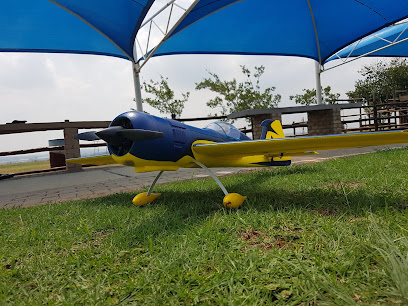
Core offerings centre around its substantial outdoor facilities. A dedicated runway measuring 266 metres supports RC plane activity, providing a spacious environment for aeronautical experimentation and flight demonstrations. The site also features a separate heli facility for model helicopters, together with instructors on hand to assist beginners and seasoned operators alike. For those interested in multi‑disciplined hobbies, PRF provides a track for 1/5 scale RC cars and a crawler course, enabling access to land‑based modelling alongside aerial sports.
Community and learning lie at the heart of the experience. The atmosphere is described by visitors as welcoming and supportive, with experienced pilots often willing to share technical insights and flying knowledge. This collaborative spirit is reinforced by the presence of mentors or instructors who help new entrants understand safety norms, equipment setup, and basic flight techniques across multiple disciplines, including planes, helicopters, drones, and off‑road vehicles.
The site is not merely a technical venue; it is presented as a family‑friendly space. A small playground is available for children, and there is a braai facility, fostering a sociable environment where spectators can enjoy watchful sessions or longer visits with friends and family. Visitors commonly remark on the open, spacious layout and the sense of community that characterises the club, making it attractive for both watching enthusiasts and active participants.
In terms of activity mix, PRF supports a broad spectrum of RC pursuits. Reviewers highlight the ability to fly model airplanes, helicopters, and drones, noting that drones are among the supported disciplines. The variety of flying disciplines—coupled with the available instructional help—appears to reduce entry barriers for newcomers while still offering opportunities for more advanced pilots to practice and refine skills. The compatibility of different models and the shared knowledge among flyers contribute to a conversational and instructive environment.
From a visitor experience perspective, the site earns positive reflections on accessibility, safety, and sociable interactions. Guests frequently mention friendly pilots and a willingness to engage with questions, share technical tips, and explain aviation topics in approachable terms. The combination of open space, well‑defined facilities, and a range of activity types supports both casual observation and active participation, depending on individual interest and ability.
Practical considerations for prospective visitors include arriving prepared for an outdoor modelling day. While specific hours are not published in the accessible content, some reviews reference best‑and‑worst‑case scenarios regarding gate access and opening times, suggesting that potential visitors might benefit from planning ahead and confirming access arrangements on the day of visit. The site’s address and localisation within Pretoria East point to a readily reachable location for residents of Pretoria and the wider Gauteng region.
Typical customer experiences reflect a mix of observation and hands‑on participation. The venue is described as a “family space” capable of accommodating diverse activities—from helicopters and planes to buggies and drones—without losing the sense of community that characterises hobby clubs. The inclusive culture and focus on sharing knowledge are repeatedly cited as standout aspects, alongside practical facilities such as seating and ablutions to support longer visits.
- Main services offered: 266‑metre runway for RC planes, separate helicopter facilities, 1/5 scale RC car track, crawler track, and instructor support across multiple disciplines (planes, helicopters, drones).
- Typical activities: flight demonstrations, hands‑on flying practice, watching sessions, and social gatherings in a family‑friendly setting.
- Request workflow: prospective entrants typically engage with the club by visiting the site and speaking with experienced pilots or instructors on site, seeking guidance on participation and safety rules.
For those considering a visit, practical tips include planning for outdoor weather conditions, noting the site’s family facilities for a relaxed day with children, and taking the opportunity to speak with experienced pilots to gain practical flying or modelling insights. The venue serves the Pretoria and greater Gauteng area, offering an accessible base for scale modelling enthusiasts seeking a diversified, community‑driven environment.
Pretoria
Gauteng
South Africa
Sorry, no records were found. Please adjust your search criteria and try again.
Sorry, unable to load the Maps API.
Scale Model Club Services in Pretoria, Gauteng
Scale modelling enthusiasts in Pretoria, Gauteng, typically find a diverse range of services and activities designed to support hobbyists at all levels. Local clubs offer a welcoming space where members share knowledge, swap tips, and work on models ranging from aircraft and armour to ships and cars. The emphasis is on practical hands‑on activity, collaborative learning, and participation in dedicated events that showcase craftsmanship and attention to detail.
Common offerings centre on access to a well‑equipped workshop and meeting facilities. Clubs often provide workbenches, lighting, vises, hobby knives, and airbrush stations, together with storage for tools and materials. Members may bring personal projects to work on, while beginners frequently benefit from mentoring sessions or informal demonstrations. The social dimension is a core feature, fostering a community where questions are answered, techniques are reviewed, and constructive feedback is encouraged.
Instruction and guidance form a central component of services. Regular modelling sessions, critique evenings, and mini‑tutorials cover topics such as kit assembly, painting, weathering, and finishing. More experienced modellers may lead specialised clinics on construction methods, scratch building, conversion work, and the application of decals. Some clubs offer structured progression or project boards, enabling members to track skill development and complete long‑form builds with peer support.
Resource sharing is a prominent service in the Pretoria modelling scene. Members commonly share reference materials, paint swatches, airbrush primers, masking materials, and spare parts. Libraries of magazines, historical references, and technical manuals may be available for consultation. Where permissible, clubs organise group purchases or participate in local supplier visits, allowing access to new products at reduced costs and enabling members to explore varied brands and finishes.
Competitions and exhibitions are a valued feature, giving participants opportunities to display work, gain feedback from peers, and celebrate achievements. Events may range from informal club‑level challenges to organised shows that attract visitors from neighbouring districts. Judging criteria typically assess accuracy, craftsmanship, finish quality, and presentation. Even absent formal awards, the experience of preparing a display is regarded as an important learning exercise, encouraging meticulousness and a professional approach to presentation.
Community outreach and collaboration sometimes extend beyond the confines of the workshop. Some Pretoria clubs engage with schools, museums, or local hobby groups, promoting STEM and creative engagement through scale modelling. Social gatherings, kit swaps, and social media updates are common ways to maintain momentum between meetings and keep members connected to the wider modelling community in Gauteng and beyond.
Practical considerations for newcomers include choosing a club with convenient meeting times, accessible parking, and facilities that suit the intended project types. Floor space and ventilation are important for painting and airbrushing activities, while storage options help keep personal projects organised between sessions. Prospective members are advised to inquire about any entry fees, annual memberships, or equipment usage policies, and to check whether the club accommodates beginners with basic starter kits or guidance on first projects.
- Access to workspaces with basic tools and dedicated painting areas
- Mentoring and informal instruction on construction and finishing techniques
- Resource sharing, reference materials, and occasional supplier visits
- Regular meetings, demonstrations, and skill‑building sessions
- Club‑organised competitions, exhibitions, and display opportunities
- Community engagement through schools, museums, or local groups
Overall, Scale model clubs in Pretoria offer a practical and supportive environment where enthusiasts can develop technical skills, learn new techniques, and enjoy the craft alongside like‑minded peers. The combination of hands‑on practice, shared resources, and community events helps sustain interest and skill progression within Gauteng’s modelling community.