Tlou Aviation is a Transportation service establishment in Pretoria, Gauteng, South Africa
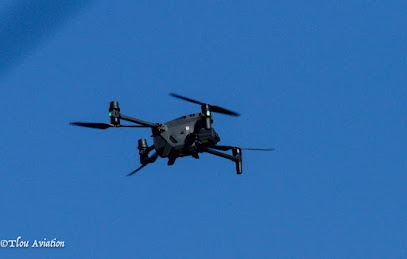
Tlou Aviation provides a comprehensive portfolio of drone-based solutions designed to optimise operations across multiple sectors in Pretoria, Gauteng, South Africa. With ROC and ATO compliance, the company presents itself as an end‑to‑end partner for customers seeking high‑resolution data, safe operations and customised drone programmes tailored to specific business needs.
The core offering covers five main service areas. First, Drone Services encompass practical applications such as site security, agricultural monitoring, mining surveys, and retail layout optimisation. A team of licenced pilots and data analysts collaborates to design and implement drone programmes that fit a client’s operational goals, performance metrics and regulatory requirements. The emphasis is on outcomes—improved safety, enhanced operational efficiency and data-driven decision making.
Second, Repairs & Maintenance addresses the lifecycle of drone hardware and software. This includes preventative servicing, component replacements and troubleshooting to keep equipment operating at peak reliability. The aim is to minimise downtime and extend the useful life of industrial‑grade drones used in demanding environments.
Third, Drone Manufacturing signals a capability to customise or adapt hardware to meet specific project demands. By foregrounding endurance and reliability, the company positions its equipment as suitable for high‑demand deployments where consistent data capture is critical.
Fourth, Software Services covers the analytical layer that converts captured data into actionable insights. While the exact tools are not itemised in detail, the combined provision of data capture and analysis suggests a workflow that supports rapid interpretation, reporting and integration with clients’ existing data ecosystems.
Fifth, RPL Training (Remote Pilot Licence) indicates an educational and certification dimension. This training component supports the development of skilled personnel for drone operation, reinforcing the overall capability to deliver compliant, professionally executed drone projects.
The fleet is described as industrial‑grade and purpose‑built for endurance and high‑resolution data capture. This positioning reinforces suitability for demanding applications—from securing extensive outdoor facilities to surveying remote sites and optimising retail layouts. The emphasis on reliability and precision aligns with industries where accurate geospatial and imagery data underpin decision making.
Customer experience is framed by a collaborative approach: a team of licenced pilots and data analysts work with clients to develop bespoke programmes. The company’s stated focus on helping “businesses use drone technology to improve operations, increase safety, and reduce costs” signals an outcome‑driven narrative rather than a purely technical proposition. As an authorised DJI Enterprise seller, Tlou Aviation also signals access to proven drone technology and support networks, which can reassure customers seeking dependable equipment and service ecosystems.
The business highlights its ROC and ATO credentials, which provides assurance around regulatory compliance and operational safety. Such credentials are particularly relevant for customers in sectors with rigorous aerial operation requirements, including security, agriculture, mining and retail.
Location and service area are anchored in Pretoria, Gauteng, with the context of serving a broad range of industries across South Africa. While specific travel, service area limits or on‑site permissions are not itemised, the company’s breadth of offerings and the mention of several industry sectors imply capacity to operate across varied environments and project scopes.
- Main services offered: Drone Services; Repairs & Maintenance; Drone Manufacturing; Software Services; RPL Training.
- Typical job types (as indicated by sectors): security for large facilities; agricultural crop health monitoring; mining site surveys; retail layout optimisation; data analysis projects.
- How requests usually work: clients collaborate with licenced pilots and data analysts to design a tailored drone programme that aligns with operational goals and regulatory requirements.
- Credentials and partnerships: ROC and ATO compliance; authorised DJI Enterprise seller.
Practical tips for prospective customers include clarifying the intended outcome (e.g., safety improvement, cost reduction, data quality), defining the geographic scope of a project, and ensuring access to the necessary permissions and site access requirements. Clients may benefit from discussing data delivery formats, integration with existing systems, and the cadence of reporting to maximise the impact of the drone programme. Understanding maintenance expectations and SPI (service performance indicators) for turnaround times on repairs can also help align project timelines with operational needs.
For organisations considering drone adoption in Pretoria or broader Gauteng operations, Tlou Aviation presents a cohesive set of capabilities—from hardware and software to training and bespoke programme design—that can help translate drone technology into tangible business improvements.
Pretoria
Gauteng
South Africa
Sorry, no records were found. Please adjust your search criteria and try again.
Sorry, unable to load the Maps API.
Transportation Services in Pretoria, Gauteng
In Pretoria, Gauteng, transportation services cover a broad spectrum of mobility needs for residents, commuters, and visitors. The range typically includes commuter shuttles, private hire and taxi services, courier and parcel transfers, airport transfers, event and corporate transport, and specialised vehicles for individuals with accessibility requirements. These offerings aim to connect suburbs, business districts, educational institutions, and major transport hubs with a focus on reliability, safety, and efficiency.
Commuter transport in Pretoria often involves door-to-door or route-based options designed to suit daily schedules. Public and semi-public systems may operate alongside private services to provide flexible travel alternatives. Many operators emphasise clear timetables, predictable arrival times, and competitive pricing to appeal to daily travellers. For longer journeys, express services or intercity connections can be arranged, subject to availability and road conditions. In all cases, customers typically expect a straightforward booking process, transparent fare structures, and courteous service from drivers and controllers.
Private hire and taxi services play a significant role in urban mobility within Pretoria. These providers commonly offer on-demand customer service, whether via phone or in person, with varying vehicle types to match group size and luggage needs. Standard offerings include sedans for individuals or couples, larger vehicles such as minibuses for groups, and specialised options for corporate travel or airport transfers. Professional drivers are generally trained in local routes and safety practices, with attention paid to route efficiency and passenger comfort. It is common for customers to use point-to-point arrangements or pre-booked rides for added convenience and security.
Courier and parcel logistics form another key aspect of transportation services in the region. Local courier operators prioritise rapid collection and delivery within Pretoria and surrounding Gauteng areas, often offering time-guaranteed services for urgent documents, parcels, and small consignments. These services rely on a network of hubs, dependable vehicles, and real-time tracking to provide visibility to senders and receivers. Basic expectations include proof of delivery, secure handling of items, and clear communication in cases of delays or exceptions.
Airport transfers are a practical focus for both business and leisure travellers. Transport providers frequently arrange transfers to and from major airports in the area, with options ranging from standard sedans to larger vehicles for groups or family travel. Timeliness is a critical consideration, given early-morning or late-night flight schedules and traffic patterns. Clear instructions regarding pick-up points, waiting times, and contact details are commonly provided to minimise confusion on arrival or departure day.
Accessibility and inclusivity are increasingly recognised within Pretoria’s transportation landscape. Services may cater to travellers with mobility impairments, offering vehicles equipped with ramps, lifts, or other assistive features. Operators may also provide equipment for secure luggage handling or space for mobility devices. When new arrangements are considered, customers are advised to communicate specific needs in advance to ensure suitable vehicle selection and adequate escort provisions where applicable.
Practical considerations for travellers include safety, payment options, and the reliability of communication channels. Users typically expect transparent fare structures, clear driver identification, and compliant vehicle maintenance practices. In busy periods, demand can influence wait times, so strategies such as pre-booking and confirming bookings ahead of time are often recommended. Road conditions, traffic volume, and weather can affect journey durations, particularly during peak commuter hours or adverse weather events.
- Typical service types: door-to-door private hire, shared commuter shuttles, courier and parcel transfers, airport and corporate transfers, accessibility-focused transport.
- Common expectations: reliable scheduling, transparent pricing, safe and courteous drivers, straightforward booking processes.
- Practical tips: pre-book where possible, confirm pick-up details, consider peak-hour timing, and communicate any accessibility needs in advance.
Overall, transportation services in Pretoria, Gauteng, are organised to support convenient movement across a densely connected urban region. While individual experiences may vary by operator, the prevailing emphasis remains on safety, dependability, and efficient connection between residential areas, business districts, and key transit points.