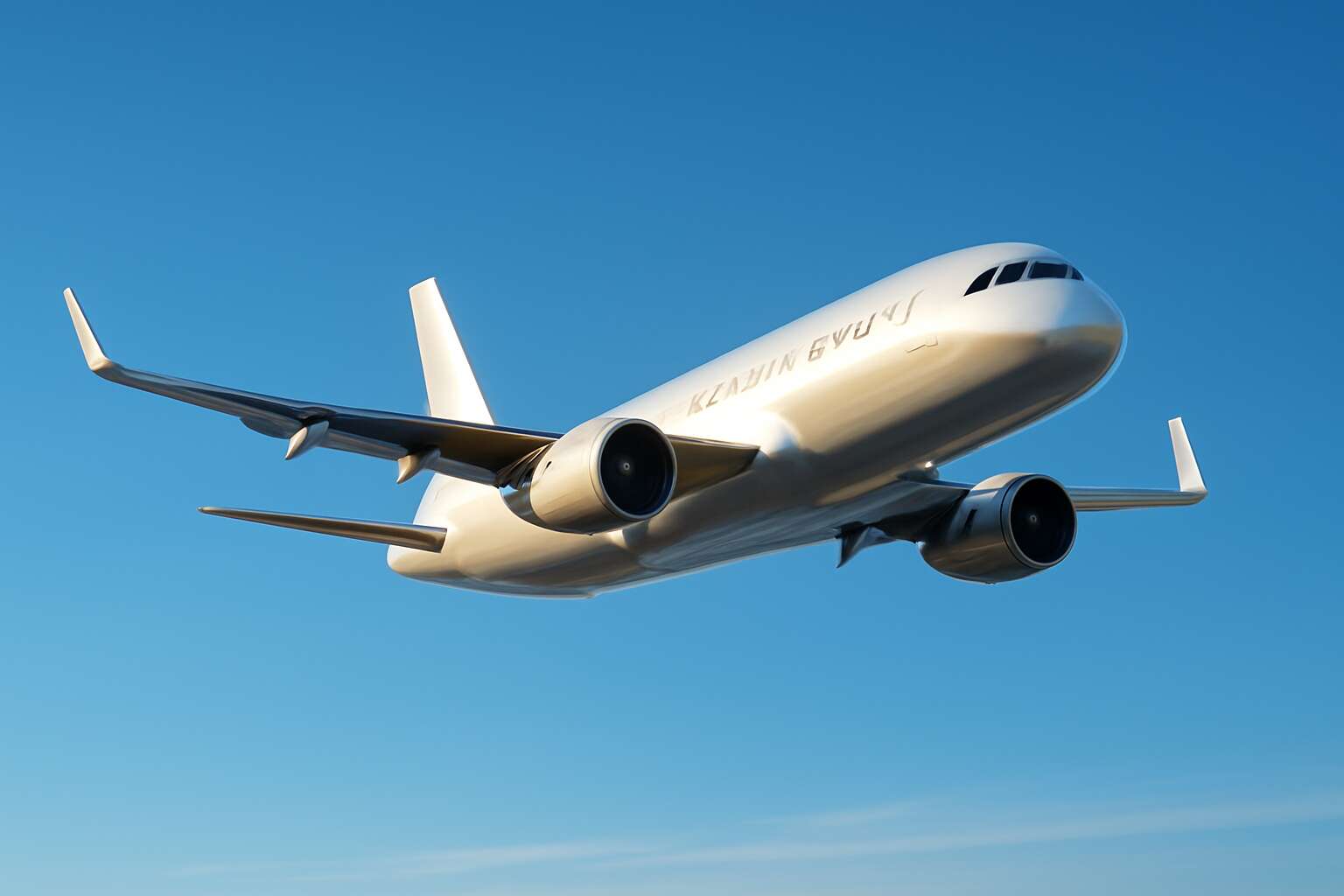
Types of Aeroplanes and Their Primary Uses
Commercial Passenger Aircraft – Transporting millions of travelers worldwide
Across South Africa and the world, the question of what are aeroplanes used for extends far beyond mere travel. One of the most recognizable roles of aeroplanes is their function as commercial passenger aircraft. These majestic machines are the backbone of global connectivity, ferrying millions of travelers across continents with remarkable speed and comfort. Each day, bustling airports witness the orchestrated ballet of takeoffs and landings, a testament to human ingenuity and the relentless pursuit of progress.
Commercial passenger aircraft serve as the arteries of the modern economy, fueling tourism, business, and cultural exchange. They enable families to reunite, entrepreneurs to expand their reach, and adventurers to chase new horizons. The primary purpose of these aircraft is to transport people efficiently, safely, and comfortably, often covering thousands of kilometers in a matter of hours.
- Short-haul flights connecting regional airports within South Africa.
- Long-haul international flights bridging distant countries and continents.
Understanding what are aeroplanes used for reveals their vital role in shaping our interconnected world. Commercial passenger aircraft, in particular, exemplify this, turning what once seemed impossible into everyday reality and fostering a global community that’s more accessible than ever before.
Cargo Planes – Transporting goods, parcels, and freight efficiently
Beyond passenger travel, the world of aviation is equally defined by its cargo aircraft—machines built for purpose and precision. These specialized aeroplanes are the silent workhorses of global trade, ensuring that goods, parcels, and freight reach their destinations swiftly and securely. In a universe where time is often the most valuable commodity, cargo planes exemplify efficiency and reliability, carrying everything from urgent medical supplies to consumer electronics across vast distances.
Understanding what are aeroplanes used for reveals their vital role in commerce. Cargo planes are designed with spacious, reinforced holds that can accommodate oversized or fragile items, making them indispensable for industries requiring rapid distribution. South Africa, positioned as a gateway to Africa and beyond, benefits immensely from these aircraft, enabling businesses to stay competitive in an interconnected economy. Their ability to deliver large volumes of freight in a matter of hours underscores their importance in modern logistics and supply chains.
- Transporting perishable goods like fresh produce and pharmaceuticals
- Delivering high-value items such as jewelry or electronics securely
- Supporting humanitarian aid efforts during crises with rapid deployment of supplies
In essence, cargo planes are the backbone of global commerce, turning the complex web of international trade into a seamless flow of goods. They embody the principle that in aviation, as in life, purpose and precision can elevate us to new heights—literally and figuratively. So, when pondering what are aeroplanes used for, it’s impossible not to recognize the profound impact cargo aircraft have on shaping our interconnected world.
Private and Business Jets – Luxury travel and business efficiency
When pondering what are aeroplanes used for, it’s impossible not to be struck by their versatility. Among the most elegant and refined are private and business jets, which embody the pinnacle of luxury travel and operational efficiency. These aircraft are not merely modes of transportation; they are sanctuaries of privacy and productivity, designed for those who seek to maximize their time and comfort in the skies.
Unlike commercial flights, private jets offer tailored experiences—luxurious interiors, personalized services, and the flexibility to fly on your schedule. They serve a dual purpose: facilitating high-level business meetings while en route or providing a private escape from the chaos of public airports. For many in South Africa, these aircraft are invaluable tools that combine discretion with speed, allowing executives and affluent travelers to stay connected and in control, even at altitude.
In essence, private and business jets exemplify how the purpose of aeroplanes extends beyond mere transportation. They are symbols of status, instruments of efficiency, and enablers of human ambition. Whether whisking a CEO to a crucial meeting or offering a secluded retreat, these aircraft underscore the profound ways in which aeroplanes are used to elevate human experience and achievement.
Military Aircraft – Defense, surveillance, and combat missions
Military aircraft represent a formidable facet of aviation, embodying precision, power, and strategic ingenuity. Their primary purpose extends far beyond mere transportation; these machines are vital tools in defense, surveillance, and combat missions. In South Africa, as in many nations, military aeroplanes are instrumental in safeguarding sovereignty and maintaining regional stability.
From fighter jets that slice through the sky with aerodynamic grace to surveillance planes equipped with cutting-edge sensors, each type of military aircraft serves a unique function. They perform reconnaissance, gather intelligence, and even provide close air support during conflicts. The versatility of these aeroplanes underscores a fundamental truth: what are aeroplanes used for isn’t solely about movement but also about protection, deterrence, and strategic dominance.
- Defense and national security
- Surveillance and intelligence gathering
- Combat operations and tactical strikes
Understanding these varied roles reveals how military aircraft are essential to modern defense strategies. They exemplify how aeroplanes are used to extend a nation’s reach, ensuring safety and stability in an increasingly complex global landscape. The sophistication of military aeroplanes continues to evolve, reflecting the relentless pursuit of technological excellence in safeguarding human lives and sovereignty.
Specialized Aircraft – Aerial firefighting, medical evacuation, and scientific research
Beyond the bustling skies filled with commercial jets and cargo planes, there exists a realm of specialized aircraft that serve vital, often life-saving purposes. These are the aircraft designed with a singular focus—whether to fight fires, transport the critically ill, or advance scientific discovery. The question “what are aeroplanes used for?” takes on a profoundly human dimension when we consider these extraordinary machines.
In the field of specialized aircraft, every flight embodies purpose and precision. Aerial firefighting planes, for instance, are engineered to combat wildfires with remarkable agility, dropping vast quantities of water or fire retardant over blazing landscapes. Medical evacuation aircraft—commonly known as air ambulances—are meticulously designed to transport patients swiftly across difficult terrains, offering hope when every second counts. Scientific research aircraft, on the other hand, extend our understanding of the world, conducting atmospheric studies, geological surveys, or environmental monitoring.
These aircraft are not merely tools but symbols of human ingenuity and resilience. They embody a commitment to protecting lives, advancing knowledge, and responding to crises with unwavering dedication. Their existence prompts us to reflect on the profound ways aeroplanes are used—far beyond mere transportation, serving as lifelines and catalysts for progress in South Africa and across the globe.
Aerospace and Scientific Research
Atmospheric and Climate Data Collection – Studying weather patterns and climate change
In the vast ballet of the sky, aeroplanes serve purposes far beyond mere transportation. Among these, one of the most vital is atmospheric and climate data collection—an essential component in understanding our planet’s delicate climate balance. As we grapple with the realities of climate change, the role of aeroplanes in scientific research becomes increasingly profound.
These aircraft traverse the upper layers of our atmosphere, gathering critical atmospheric data that satellites might overlook. They measure temperature variations, humidity levels, and pollutant concentrations, offering invaluable insights into weather patterns and long-term climate shifts. The information collected informs global climate models, helping scientists predict future environmental changes with greater accuracy. For South Africa, where diverse climates range from arid deserts to lush coastal regions, such data collection is invaluable in crafting adaptive strategies against climate variability.
Furthermore, specialized aircraft equipped with advanced sensors can perform atmospheric sampling and deploy scientific instruments, transforming the sky into a laboratory without walls. This seamless integration of aeroplanes into scientific research underscores their vital role in safeguarding our planet’s future—truly, a testament to what aeroplanes are used for beyond the horizon of commerce and defense.
Aerial Photography and Mapping – Topographical surveys and geographic mapping
Beyond their familiar role in transporting people and goods, aeroplanes have a profound impact on the field of aerospace and scientific research. Their ability to soar over rugged terrains and remote locations makes them indispensable tools for topographical surveys and geographic mapping. In South Africa, where diverse landscapes—from the expansive Karoo to the lush Drakensberg—demand precise cartographic data, aeroplanes provide an unmatched vantage point.
Equipped with sophisticated sensors and high-resolution imaging technology, these aircraft enable detailed aerial photography that reveals the subtle contours of the land. This imagery supports a variety of applications, from urban planning to environmental conservation. In fact, many projects rely on aeroplanes for accurate topographical surveys, which are crucial for infrastructure development and disaster management.
- High-altitude flights capture extensive geographic data.
- Advanced imaging technologies produce detailed maps.
- Real-time data collection supports rapid decision-making.
By harnessing the power of aerial photography and mapping, professionals can analyze terrain features with remarkable precision. The question of what are aeroplanes used for extends far beyond simple transportation—these aircraft are vital in transforming raw geographic data into actionable insights, ensuring South Africa’s landscapes are understood, preserved, and developed responsibly.
Scientific Experiments – High-altitude research missions
In the realm of scientific exploration, aeroplanes serve as vital tools for high-altitude research missions. These aircraft venture into the stratosphere and beyond, gathering data that would be impossible to collect from the ground. From studying atmospheric conditions to understanding the delicate balance of climate systems, aeroplanes bring a unique vantage point to scientific inquiry.
Equipped with cutting-edge sensors and scientific instruments, these aircraft can perform experiments in environments that mimic outer space or extreme weather conditions. They allow researchers to analyze phenomena such as auroras, cosmic rays, and greenhouse gases, fostering a deeper understanding of our planet and universe.
In South Africa, where diverse climates and ecosystems coexist—from the arid Karoo to the subtropical coastline—scientific experiments conducted via aeroplanes provide insights crucial for environmental preservation. By flying at high altitudes, they help scientists observe and interpret data in real-time, supporting efforts to combat climate change and protect vulnerable landscapes.
- High-altitude research missions gather critical atmospheric data.
- Advanced scientific instruments enable detailed environmental analysis.
- Real-time data collection accelerates scientific discovery and policy-making.
Understanding what are aeroplanes used for in scientific research reveals their indispensable role in expanding human knowledge. These aircraft are more than mere machines—they are the wings of discovery, unlocking secrets hidden in the upper layers of our atmosphere and beyond.
Military and Defense Applications
Surveillance and Reconnaissance – Gathering intelligence over large areas
When pondering what are aeroplanes used for, many immediately think of jet-setting across continents or delivering parcels faster than a cheetah on caffeine. But beyond the glamour and logistics, these flying marvels serve a critical role in military and defense applications. Specifically, surveillance and reconnaissance missions rely heavily on aeroplanes to gather intelligence over vast areas—think of them as the eyes in the sky with a penchant for high-altitude spying.
Equipped with advanced sensors, cameras, and communication gear, these aircraft can monitor enemy movements, track troop deployments, and even observe terrain changes in real-time. For instance, military aircraft are often tasked with conducting aerial reconnaissance, providing commanders with invaluable intelligence that shapes tactical decisions.
In essence, understanding what are aeroplanes used for goes far beyond transportation. They are vital tools in national security, capable of covering large swathes of territory swiftly and effectively. Whether for strategic surveillance or intelligence gathering, aeroplanes have cemented their place as indispensable assets in modern defense arsenals.
Air Support and Combat Missions – Providing air power in conflicts
In the theater of modern warfare, aeroplanes are the swift, silent predators soaring through the skies, wielding power that can sway the tide of conflict. When pondering what are aeroplanes used for, their role in military and defense applications emerges as both vital and multifaceted. Among these, air support and combat missions stand out as the backbone of aerial dominance, providing unmatched agility and firepower in the chaos of battle.
During conflicts, these aircraft serve as the eyes and fists of armed forces, engaging in precision strikes and supporting ground troops with relentless aerial assault. From fighter jets to bombers, each aircraft is a marvel of engineering designed to deliver decisive blows, often operating in coordination with ground operations to maximize impact. For example, strategic bombing campaigns can reshape battlegrounds in a matter of hours, asserting dominance over enemy forces.
To illustrate, many modern air forces employ a combination of aircraft types in a layered defense approach:
- Fighter Jets – for air superiority and interception
- Attack Aircraft – for close air support and ground attack missions
- Bomber Planes – for long-range strikes against high-value targets
These elements work together seamlessly, ensuring that what are aeroplanes used for extends well beyond transportation. They are instrumental in safeguarding nations and asserting military strength, showcasing the formidable versatility of aircraft in combat scenarios. In essence, aeroplanes are not merely machines that traverse the skies—they are pivotal instruments of power and precision in modern warfare’s grand tapestry.
Transport of Military Personnel and Equipment – Rapid deployment in strategic locations
In times of crisis, aeroplanes become lifelines, swiftly ferrying military personnel and vital equipment to the heart of strategic locations. Their ability to execute rapid deployment is unmatched, ensuring that forces are ready when they are needed most. This capability is crucial in safeguarding national security and maintaining a strategic advantage in complex terrains.
Transporting soldiers, vehicles, and supplies across vast distances is a task that requires both precision and efficiency. Modern military aircraft are equipped to handle diverse cargo, from heavy machinery to delicate surveillance equipment. They often operate in tandem with ground forces, creating a seamless flow of resources that can turn the tide of a conflict or emergency response.
To optimize deployment, military planners often rely on a layered approach, using different types of aircraft for specific roles:
- Transport planes for bulk cargo and personnel
- Specialized aircraft for medical evacuations or sensitive equipment delivery
- Rapid response jets for escorting and securing the transport fleet
Understanding what are aeroplanes used for reveals their pivotal role in ensuring swift, efficient, and reliable mobilization of forces, especially in geopolitically sensitive regions like South Africa. Their capacity to bridge vast distances in moments makes them indispensable tools for national defense and humanitarian efforts alike.
Emergency and Humanitarian Missions
Medical Evacuations – Transporting critically ill patients swiftly
Few innovations evoke the profound sense of urgency and hope quite like the use of aeroplanes in medical evacuations. When life hangs by a fragile thread, every second counts, and the agility of an aircraft becomes a beacon of salvation. These specialized planes are engineered not just for transport, but for the delicate art of saving lives—swiftly ferrying critically ill patients through the vast expanse of geography, often over challenging terrains or turbulent weather conditions.
In the realm of emergency and humanitarian missions, aeroplanes serve as vital arteries of response, bridging the gap between distant regions and advanced medical facilities. Their role extends beyond mere transportation; they embody a lifeline, equipped with advanced medical equipment and staffed by skilled personnel, transforming them into airborne intensive care units. This capacity to rapidly mobilize and deliver critical care underscores the importance of understanding what are aeroplanes used for within the context of global health and disaster relief efforts.
Disaster Relief Operations – Delivering supplies to affected areas
In the grand theatre of human resilience and compassion, aeroplanes emerge as silent heroes—bridging vast chasms of despair and hope. When calamity strikes, and communities are severed from aid, these majestic machines become lifelines, ferrying essential supplies with unwavering resolve. Their role in disaster relief operations is nothing short of heroic, transforming the chaos of a crumbling landscape into a canvas of recovery and renewal.
From delivering food, water, and medical supplies to remote villages devastated by natural calamities, aeroplanes serve as the arteries of humanitarian response. Their ability to reach inaccessible terrain, often under turbulent skies, underscores their vital importance. In these moments, every second saved is a heartbeat restored—an aircraft cutting through the storm to deliver salvation where it is needed most.
Consider the power of disaster relief operations—an orchestration of precision and compassion. The question of what are aeroplanes used for becomes clear when observing their pivotal role in such crises. They are not merely vehicles of transit but symbols of hope, enabling aid to arrive swiftly and effectively in the face of adversity.
Humanitarian Aid Delivery – Supporting refugee and disaster zones
In the relentless pursuit of humanitarian aid, aeroplanes serve as vital lifelines in emergency and disaster zones. Their ability to traverse treacherous terrains and reach remote communities makes them indispensable in times of crisis. When natural calamities or conflicts erupt, these aircraft become the unseen heroes, supporting refugee and disaster zones with swift and precise delivery of essential supplies.
Supporting such critical missions requires a specialized fleet of aircraft designed for humanitarian aid delivery. These planes often carry food, medical supplies, and water—resources that can mean the difference between life and death. Their capacity to operate in challenging environments underscores their role in saving countless lives, especially where ground transportation is impossible or too slow.
In these intense moments, aeroplanes are more than mere vehicles—they embody hope and resilience. Their deployment in humanitarian missions exemplifies how, through advanced aviation technology, aid can cross borders and barriers, reaching those most in need. The question of what are aeroplanes used for becomes starkly clear when witnessing their critical role in supporting vulnerable populations during crises.
Tourism and Recreation
Commercial Aviation for Tourism – Enabling global leisure travel
In the realm of modern travel, the question of what are aeroplanes used for often sparks curiosity beyond mere transportation. When it comes to tourism and recreation, aircraft are the silent enablers of global leisure travel, connecting distant corners of the world with astonishing speed. South Africa, with its breathtaking landscapes and vibrant cultures, attracts millions of tourists each year—many of whom rely on commercial aviation for seamless journeys that transform distant dreams into reality.
Beyond the typical passenger flights, aeroplanes also facilitate a variety of recreational activities. For instance, scenic flights over iconic landmarks offer travelers a unique perspective, while chartered flights open doors to remote adventure destinations. The widespread availability of commercial aviation thus empowers leisure enthusiasts to explore new horizons effortlessly. Truly, understanding what are aeroplanes used for reveals a fascinating interplay between commerce, adventure, and the human desire for discovery.
Aerial Tours and Sightseeing Flights – Experiencing scenic views from above
There’s an undeniable magic in soaring above the earth, witnessing landscapes unfurl beneath you like an intricate tapestry. Aerial tours and sightseeing flights epitomize this wonder, offering a perspective that ground-bound exploration can never capture. When you’re high above South Africa’s dramatic coastlines, majestic mountains, and sprawling savannahs, the world takes on a new, almost sacred, significance.
These aerial adventures serve more than mere spectacle—they’re profound journeys into the soul of a place. For many travelers, understanding what are aeroplanes used for extends beyond transportation; it’s about rediscovering the world’s hidden stories from a vantage point that awakens curiosity and wonder. Scenic flights over iconic landmarks transform the ordinary into the extraordinary, revealing the intricate beauty of our planet with each passing mile.
In the realm of tourism and recreation, aerial tours stand out as an immersive experience that stirs the human spirit. They are windows into the grandeur of nature and history, allowing adventurers to connect deeply with their surroundings. Whether it’s the lush vineyards of the Cape Winelands or the vast wilderness of Kruger National Park, these flights offer a chance to see the world from a perspective that inspires awe and introspection alike.
Economic Impact and Employment
Supporting Global Trade – Facilitating international commerce
Airplanes are more than just machines that transport people; they are vital engines of economic growth. In South Africa, aviation supports a thriving tourism industry, bringing millions of international visitors each year. This influx stimulates local businesses, from hotels to restaurants, creating a ripple effect across the economy.
Beyond tourism, aeroplanes are essential for supporting global trade. They enable rapid shipping of high-value and perishable goods, ensuring products reach markets swiftly. The role of cargo planes cannot be overstated—they connect manufacturers with consumers worldwide, boosting trade efficiency and economic resilience.
Supporting global commerce hinges on the seamless operation of the aviation sector. This sector sustains employment on a large scale, from airline crews and ground staff to logistics and maintenance professionals. In fact, the aviation industry directly supports thousands of jobs in South Africa alone, underscoring its importance as an economic pillar.
- Efficient movement of goods and services
- Job creation in aviation and related industries
- Facilitation of global supply chains
Creating Jobs – Employment in manufacturing, maintenance, and aviation services
Beyond their sleek exteriors and roaring engines, aeroplanes serve as the backbone of modern economies, igniting a symphony of industry and innovation. In South Africa, this mighty fleet doesn’t merely transport passengers; it forges a web of employment opportunities that ripple through communities and industries alike. The question, “what are aeroplanes used for,” unveils a tapestry of purpose that transcends travel—touching every corner of economic vitality.
From manufacturing to maintenance, the aviation sector is a hotbed of job creation. Skilled technicians, engineers, and ground staff work tirelessly to keep the skies open, ensuring safety and efficiency. The industry’s employment footprint extends to logistics professionals, airport personnel, and support staff—each vital to the seamless flow of commerce and human connection. This extensive ecosystem underscores how aviation fuels not only the economy but also the dreams of countless individuals seeking prosperity and progress.
- Manufacturing of aircraft components and parts
- Aircraft maintenance and servicing
- Operational roles within airlines and airports
In essence, the question “what are aeroplanes used for” reveals a powerhouse of economic impact—driving growth, fostering innovation, and creating a resilient fabric of employment. The skies, after all, are not just a highway for travel but a conduit of opportunity that elevates nations and nurtures ambitions.
Influencing Global Connectivity – Bringing people and markets closer
In the intricate web of global economics, aeroplanes are far more than mere vessels of travel—they are catalysts of interconnectedness and growth. The question “what are aeroplanes used for” unlocks a deeper understanding of their vital role in shaping modern society. Beyond transporting millions of passengers each year, these aircraft facilitate seamless trade, foster cultural exchange, and bolster international relations, especially in a dynamic region like South Africa.
Economic impact ripples through every corner of the aviation industry, creating an ecosystem that sustains countless jobs and stimulates innovation. From manufacturing aircraft components to maintaining fleets that keep our skies safe, the purpose of aeroplanes extends into the fabric of everyday life. When we consider their influence on global connectivity, it’s clear that these flying marvels serve as bridges—bringing people, markets, and ideas closer together than ever before.
- Supporting global trade and commerce
- Enhancing tourism and leisure industries
- Providing critical services like medical evacuations and disaster relief
In essence, understanding what are aeroplanes used for reveals their profound significance—not just as tools of transportation but as engines that drive human progress and collective resilience in an interconnected world.

0 Comments