Metals used to build aeroplanes: a structured outline
Primary metals used in aviation and airframes
Metal choices in flight are the quiet architects of safety and efficiency. Aluminium alloys historically account for around 60 to 70 percent of an airframe’s mass, a balance of lightness and strength that keeps wings agile in a crowded sky.
Primary metals used in aviation and airframes include:
- Aluminium alloys
- Titanium
- Magnesium
- High-strength steels
These work in harmony with engine materials such as nickel-based superalloys for hot sections.
Where South Africa’s aerospace sector thrives, designers ask what metals are used to make aeroplanes to balance corrosion resistance with machinability in African climates. The craft lies in alloys that weather sun and sand while preserving performance.
Aluminum alloys and structural applications
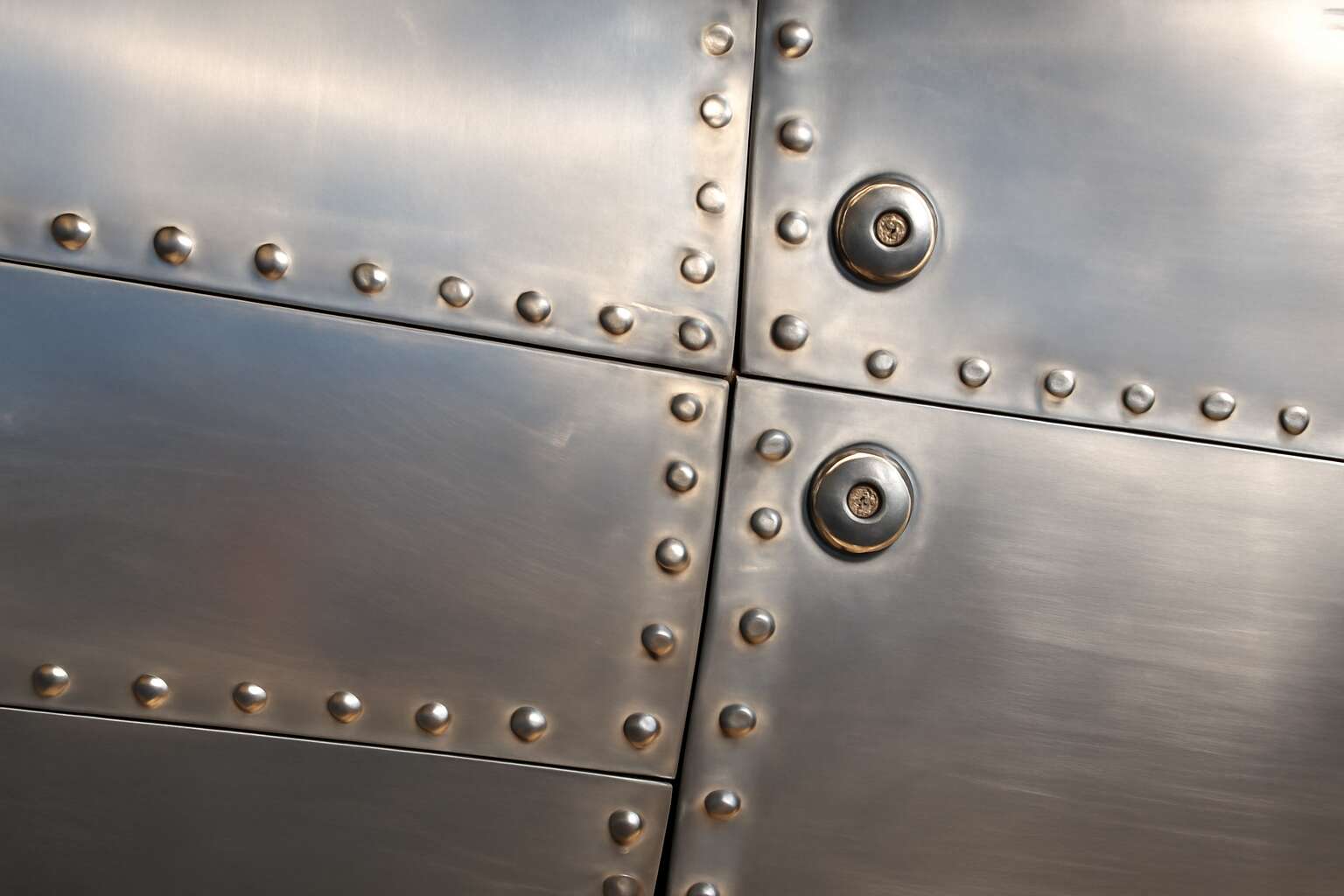
Aluminium alloys are the quiet workhorses behind aircraft frames, balancing strength with featherweight heft. When considering what metals are used to make aeroplanes, aluminum alloys stand out for structural work—from wing skins to fuselage panels. In South Africa’s sun-drenched skies, their formability and corrosion resistance, when properly alloyed and treated, keep maintenance lean and reliable.
- Wing skins and fuselage panels crafted from high-strength aluminum alloys
- Structural frames, stringers, and ribs forming the airframe backbone
- Lightweight brackets and joints that ease assembly and repair
- Machinable, fatigue-resistant fittings suited to local workshops
These alloys also cooperate with engine materials to optimize weight and cost, an important consideration for SA’s growing aerospace sector. Through careful selection and treatment, aluminium alloys become a story of resilience in African climates and a craft that keeps the skies safe.
Titanium and high-strength alloys in aerospace
A single kilogram saved in flight reshapes the horizon for long journeys. When we ask what metals are used to make aeroplanes, titanium and high-strength alloys rise to the fore, trading weight for resilience and heat tolerance. In South Africa’s bustling aviation corridors, these materials quietly support precision engineering.
Within the architecture of modern aircraft, titanium and high-strength alloys fulfill roles across airframe and powerplant. Here are the essentials that keep wings patient in wind and turbines steady in heat:
- Titanium alloys for frames, fasteners, and corrosion resistance in marine-impacted environments
- Nickel-based superalloys powering turbine blades and hot sections with remarkable creep resistance
- High-strength steels for landing gear, shafts, and critical fittings demanding stiffness
- Specialty wrought alloys and heat treatments that extend fatigue life and reduce maintenance intervals
Across South Africa, these metals translate to safer skies and an aviation sector daring to dream bigger.
Steel and specialty alloys for aviation components
In modern flight, millions of load cycles skim through every airframe. What metals are used to make aeroplanes? The answer blends stiffness, fatigue resistance, and heat tolerance, from gear shafts to wing joints. In South Africa’s skies, steel quietly supports precision engineering and long service life.
Steel families anchor critical parts: high-strength low-alloy (HSLA) steels, maraging steels, and stainless grades. They provide the stiffness for landing gear, the toughness for shafts, and corrosion resistance where salt spray and humidity challenge components.
- HSLA steels for frames and fasteners
- Maraging steels for shafts and precision fittings
- Stainless steels in high-corrosion zones
Engine materials and nickel-based superalloys
Jet engines endure millions of cycles as aircraft corkscrew through the sky, and the metals holding them together do the heavy lifting. People often wonder what metals are used to make aeroplanes, and the answer lies in engine materials and nickel-based superalloys that keep heat and stress in check—impressive stuff!
Engine materials and nickel-based superalloys that power aviation include:
- Turbine discs and blades built from nickel-based superalloys for high-temperature strength
- Protective coatings that resist oxidation and corrosion in harsh gas-path environments
- Single-crystal turbine blades to minimize grain-boundary weaknesses
In South Africa’s skies, these advanced materials translate into reliable performance and long service life, stitched into the fabric of precision engineering that underpins every flight.



0 Comments