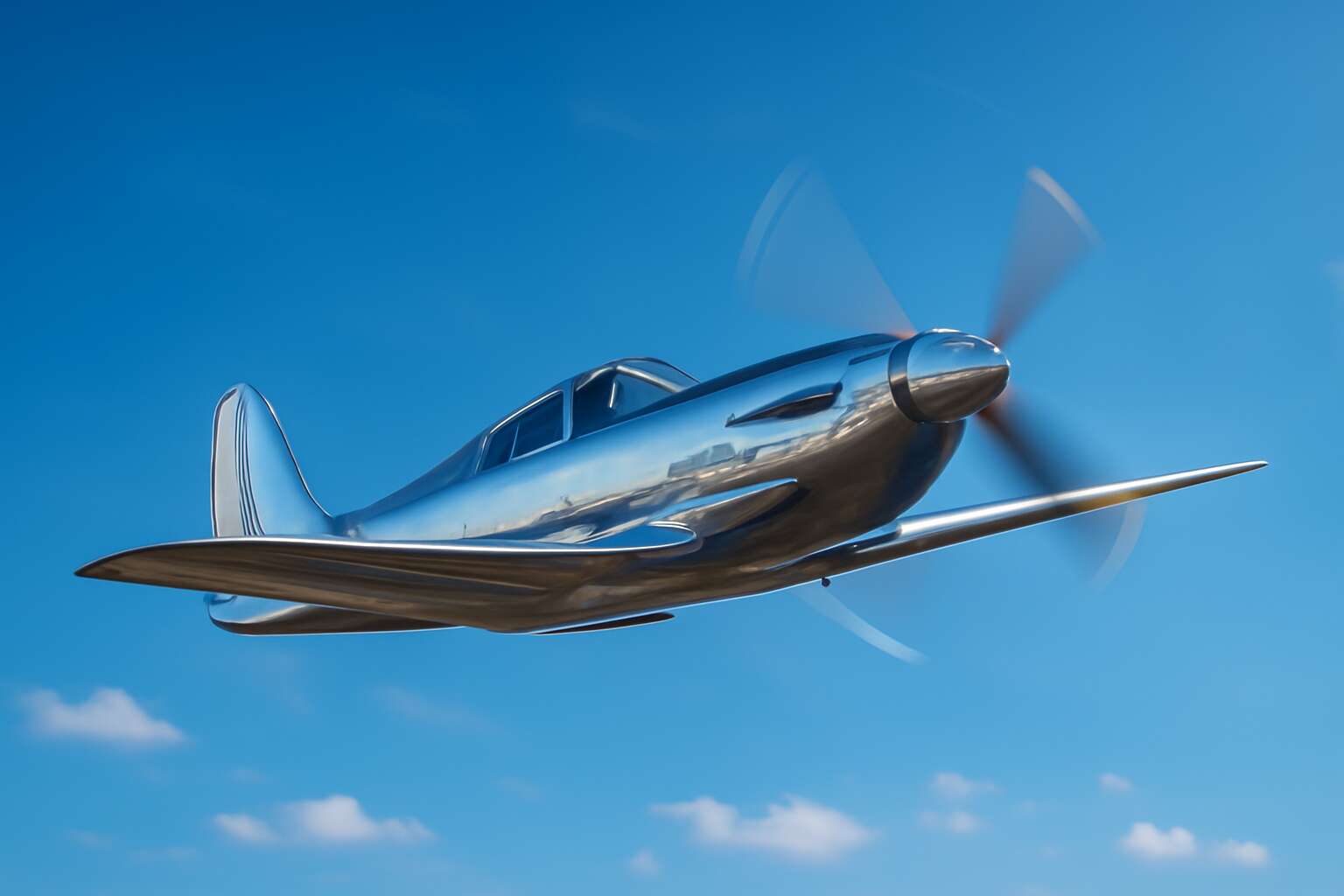
Propeller Driven Aircraft: History and Evolution
Early Innovations and Pioneers in Propeller Aviation
From a single turn of the propeller, the world opened to the sky! By the 1910s, aeroplanes with propellers stitched continents together and moved people and mail along new routes.
Early innovations emerged from pilots and engineers who treated wing, frame, and propeller as one system. The Wright brothers, Louis Blériot, and Glenn Curtiss demonstrated controlled, powered flight and refined propeller design for speed and reliability.
- Wright brothers — first controlled powered flight
- Louis Blériot — Channel crossing
- Glenn Curtiss — mass-production airframes
From wood and fabric to duralumin and composite skins, propeller-driven airframes evolved with engines to boost thrust, range and reliability. Variable-pitch props and smarter aerodynamics widened the mission profile.
In South Africa, regional routes and training fleets carry the same legacy, where the hum of propellers still sparks progress and practical flight.
Key Milestones in Propeller Technology
Across a century, aeroplanes with propellers turned distance into opportunity; by the 1930s, transcontinental flights could hinge on hours rather than days. Engineers began treating wing, frame, and propeller as a single, responsive system, chasing reliability through every blade turn and every breath of air.
Materials shifted from wood and fabric to duralumin and, later, advanced composites, while propeller technology evolved with variable-pitch and constant-speed designs. These leaps widened mission profiles, lifting range, climb performance, and efficiency without sacrificing safety.
In South Africa, regional routes and training fleets carry this lineage forward, where the hum of aeroplanes with propellers remains a practical engine for progress. From local airstrips to modern campuses, the past quietly underpins our present flight culture.
From Propellers to Turboprops: Transition and Trends
Few innovations endure with such refined manners as propeller-driven flight. “Propellers are the polite engines of motion,” quips a veteran engineer, and across a century they mapped routes where economy meets elegance, turning brief hops into respectable quests and giving flight its patient, social cadence.
The evolution is less a straight line and more a social ascent: woods and linen gave way to alloys, while the propeller learned to harmonize with modern engines. Turboprops emerged as workhorses for short routes, balancing reliability and efficiency.
- Regional fleets chase efficiency over glamour
- Smaller airports host simpler, robust maintenance
- Power, weight, and aerodynamics stay in balance
In South Africa, these shifts meet practical needs: regional routes, training fleets, and reliable performance data. The hum of aeroplanes with propellers still underwrites a vibrant flight culture, from Cape Town to far-flung airstrips.
Legacy and Modern Relevance of Propeller Aircraft
Propellers write a patient arc across the sky, and the numbers back it: aeroplanes with propellers still account for a surprising slice of regional travel where distance is measured by hands and horizons, not speed. “They are the polite engines of motion,” a veteran engineer likes to say, and their rhythm has shaped air routes for a century. Let the propeller’s whisper guide a pilot’s pace, I suppose.
That legacy survives through practical design—robust, field-friendly maintenance, and blades that can be repaired with local knowledge—while modern developments tweak performance: efficient composite blades, variable-pitch systems, and engines engineered to harmonize with the propeller’s cadence.
- robust maintenance
- short-field performance
- training value
In South Africa, these dynamics meet regional routes, training fleets, and data trails that render the propeller’s rhythm trustworthy against turbine haste. Aeroplanes with propellers remain a living conversation here, from Cape Town to the high veld airstrips.
Propeller Design and Engineering: How They Work
Types of Propellers: Fixed-Pitch vs Variable-Pitch
Propeller design is a disciplined art: air, mass, and control in constant negotiation. In South Africa’s regional skies, efficiency can boost range by up to 15%, and pilots feel that margin every time they rotate.
Each blade behaves like a moving wing, twisting air into thrust. For aeroplanes with propellers, blade geometry, pitch, and rpm determine thrust, noise, and fuel burn in real time.
- Fixed-pitch: simple, light, reliable
- Variable-pitch: adaptive thrust across flight regimes
- Governed systems: add weight, boost control
Designers balance materials and maintenance realities. Fixed-pitch suits rugged field use; variable-pitch excels where efficiency matters most, as blade shape and hub mechanisms continue to evolve with the fleet.
Propeller Efficiency and Aerodynamics
Materials and Manufacturing Advances
Propeller design thrives at the intersection of physics and craft. Each blade is a delicate compromise between thrust, weight, and endurance, tuned by twist, thickness, and tip shape. For aeroplanes with propellers, the magic lies in turning rotational energy into predictable push—quiet enough to be practical, strong enough for daily use, and adaptable to varying airspeeds. The work is as much about intuition as equations, a reminder that engineering remains a human-scale art!
Material choices and manufacturing advances reshape what blades can endure.
- Advanced composites and smart materials for fatigue resistance
- Additive manufacturing enabling complex geometries and rapid iteration
- Precision bonding, curing, and surface treatments for longer hub life
Digital twins, wind-tunnel data, and rigorous testing anchor modern propeller engineering, guarding against fatigue and corrosion. In South Africa, this diligence underpins regional services and training fleets, where reliability and efficiency walk hand in hand.
Engine-Propeller Matching: Piston and Turboprop Pairings
Flight is a dialogue between power and air. The propeller becomes a judge of tempo; one veteran engineer says, ‘Propellers are poetry in motion.’ In South Africa, aeroplanes with propellers still pilot quiet courage, their hubs catching sunlight on long, patient blades.
Engine-propeller matching begins with the torque curve meeting the blade’s twist and pitch for predictable thrust across speeds. For piston engines, fixed-pitch blades offer simplicity; turboprops bring higher power and refined control.
- Torque alignment, RPM envelopes, and twist profiles
- Pitch strategies that unlock turboprop efficiency at altitude and sea level
From the bench to the cockpit, this harmony is born of digital twins, wind data, and rigorous testing to guard fatigue and noise while preserving reliability. I see the result in training fleets that carry daily travel across South Africa’s skies.
Performance, Range, and Operational Use of Propeller Planes
Speed, Range, and Climb Capabilities
Propellers sing a steady hymn of travel, and across South Africa’s airfields aeroplanes with propellers prove that speed is only part of the story. “The art lies in the climb,” a veteran pilot reminds me as I watch their graceful arcs.
Performance-wise, these aircraft balance predictable handling with solid takeoff power and reliable ascent. They thrive at modest speeds, offering smooth, economical cruise while keeping noise and fuel use in check.
- Longer regional hops on a single fuel load
- Versatile loading for cargo or passengers
- Steady performance across varied South African climates
For South Africa’s adventurous skies, aeroplanes with propellers offer a harmonious blend of speed, range, and rugged reliability that fuels adventure and everyday flight.
Noise, Vibration, and Comfort Considerations
Climb is the quiet benchmark of flight, the moment where aeroplanes with propellers prove their mettle. A veteran pilot once told me, the ascent writes the itinerary, not the speed. In South Africa’s airfields, these machines balance purpose with poise and practicality.
Performance here translates to steady handling, reliable takeoff power, and predictable climb. They excel on regional routes, offering economical cruise and solid endurance, while keeping maintenance simple and fuel use sensible—even when weather turns fickle across SA’s varied climates.
- Noise is rhythmic and usually modest at altitude.
- Vibration remains manageable in well-tuned propeller systems.
- Cabin comfort benefits from compact layouts and efficient insulation.
Range and operational use converge on versatility: cargo or people, flexible loading and straightforward dispatch with a focus on reliability for both remote airstrips and busy regional hubs.
Maintenance, Reliability, and Safety
Across South Africa’s regional skies, aeroplanes with propellers deliver a blend of dependable takeoff power, steady climb, and forgiving handling. “The climb writes the itinerary,” a veteran pilot used to say. Performance in these machines hinges on reliable power and predictable response in gusty SA weather. These machines balance rugged practicality with approachable maintenance, letting crews focus on the flight rather than the fault log.
- Flexible payloads and straightforward loading for cargo or passengers
- Longer endurance and economical cruise at regional altitudes
- Resilient powertrains and simple propeller control structures for quick turnarounds
Maintenance remains approachable, with accessible parts and modular components that simplify field service. Reliability grows from thoughtful engine-propeller pairing, durable airframes, and conservative design margins. Safety relies on rigorous preflight routines, redundancy where feasible, and disciplined training that keeps crews calm when the weather forecaster changes its mood across SA’s landscapes.
Typical Mission Profiles: Regional Transport and Specialized Roles
Regional aviation rewards aircraft that stay calm when wind shifts and airstrips tighten. Aeroplanes with propellers embody that discipline—steady climbs, forgiving handling, and dependable takeoff power on short runways. “The heartbeat of the mission is in the prop,” a veteran pilot says, and that heartbeat never falters when weather plays tricks.
Performance hinges on predictable throttle response and climbs that earn altitude quickly. Range comes from efficient powertrains and regional-altitude cruise that stretch endurance. For typical missions, consider:
- Regional transport blending passengers and light freight
- Extended endurance for surveys, medevac, or hinterland resupply
- Simple propeller control enabling rapid turnarounds on busy routes
Operational use ranges from aerial surveying to humanitarian relief, where reliable air support keeps communities connected across SA’s vast landscapes. Across SA, aeroplanes with propellers prove their mettle daily.
Propeller Aircraft in the Modern World: Applications and Market Trends
Regional Airlines and Commuter Fleets
In Southern Africa, roughly 25% of regional routes rely on aeroplanes with propellers, proving that old-school charm still pays off in the modern sky. These craft excel on short legs and rough runways, where jets stumble and where passenger demand is steady, if not glamorous.
Regional airlines and commuter fleets rely on propeller power for reliability, rapid turnarounds, and lower up-front costs. The market trend favors adaptable aeroplane designs that slot into tight schedules and smaller airports, creating resilient networks that connect remote communities and mines with urban hubs.
- Short-field performance and impressive payload-for-weight ratios
- Lower maintenance and acquisition costs on regional routes
- Flexible configurations for passengers, cargo, or medevac missions
As air travel becomes more people-focused, aeroplanes with propellers remain essential tools—humble, efficient, and surprisingly capable in the South African skies—and their role isn’t going away anytime soon.
Aviation Markets and Environmental Impact
“Propellers aren’t relics; they’re the Swiss Army knives of aviation,” says a regional operator. These aeroplanes with propellers still power the last mile where runways are rough and demand steady. In today’s market, these craft balance efficiency, flexibility, and reliability for short hops and rural links—especially in Southern Africa.
- Quick turnarounds and lower upfront costs
- Lower fuel burn on short legs
- Configurable for cargo, passengers, or medevac
As environmental considerations sharpen, propeller-driven travel touts lower emissions and quieter operations on short routes. Southern Africa’s market rewards rugged performance, field-friendly gear, and predictable maintenance, keeping remote communities and mining corridors connected to urban hubs without sacrificing sustainability.
Future Developments: Electrified Propulsion and Hybrid Systems
Propellers aren’t relics; they’re practical, everyday machines. In Southern Africa, aeroplanes with propellers still power last-mile links where runways are uneven and schedules demand resilience. They lift cargo, shuttle workers, and keep rural communities connected with steady reliability.
Future developments point to electrified propulsion and hybrid systems that cut noise and emissions on short legs. These advances can extend mission profiles for propeller aircraft while simplifying maintenance in remote bases.
- Electrified propulsion for short hops
- Hybrid powertrains to extend range
- Smart energy management and rapid field charging
For South Africa, that means more predictable service, lower operating costs, and greener skies. The era of efficient, field-friendly aeroplanes with propellers is advancing fast, shaping regional mobility for years to come.
Choice Considerations for Buyers and Operators
Across Southern Africa’s regional spine, 60% of last-mile air links rely on aeroplanes with propellers, proving that rugged reliability still outpaces flashy alternatives. These machines stitch together rural corridors, lifting cargo, shuttling workers, and keeping communities connected when schedules demand resilience and runways bend with the weather.
- Operational environment compatibility: unpaved or uneven runways, rough climates, and hot days
- Maintenance networks and spare-part availability within regional bases
- Total cost of ownership: lifecycle efficiency, fuel or power logistics, and depreciation
In this evolving market, buyers prize fleets that deliver predictable service, simple maintenance, and durable performance across varied missions—from freight shuttles to medical flights—without losing the familiar feel of traditional propeller platforms!




0 Comments