Accolade Flying Wings is a Flight school establishment in Germiston, Gauteng, South Africa
Accolade Flying Wings: Flight School Summary – Germiston, Gauteng
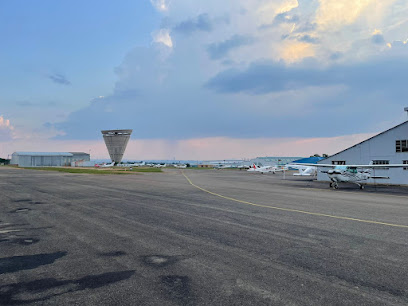
Accolade Flying Wings operates as a flight training academy delivering a comprehensive pathway from a first flight to airline-ready pilot qualifications. Based in Germiston, Gauteng, the school presents a modern fleet and instructors with ICAO-aligned, globally recognised training standards. The fleet mix includes the Cessna 172 series and Tecnam P92 variations for initial and foundational flight training, alongside the Diamond DA42 for advanced, multi‑engine instruction and simulated airline scenarios. This range supports learners at different stages of their aviation journey, from private pilot training through to multi‑engine and instrument qualifications.
The primary services are structured around a complete set of pilot training programmes. Core programmes include the Private Pilot Licence (PPL), Commercial Pilot Licence (CPL), Instrument Rating (IR), Multi‑Engine Rating (MER), and a Frozen ATPL preparation through theory. The school also offers a Flight Instructor Rating (FI) for those seeking to pursue aviation teaching roles. By highlighting a progression from first flight to airline‑readiness, Accolade Flying Wings emphasises both skill development and the attainment of industry standards, aiming to prepare students for employment in aviation on a global scale.
In addition to the curriculum, the academy stresses a learning environment focused on safety, discipline and transparent communication. The admissions section outlines a streamlined, step‑by‑step process designed to guide prospective students from application through to enrolment. The required prerequisites include age thresholds (minimum 17 for PPL and 18 for CPL), a Maths and Physics background (with Physics mandatory and Mathematics essential), ICAO English at Level 4, and an appropriate medical certificate (Class 1 for commercial pilots or Class 2 for private pilots). The intake process features an online application, document verification, a personal interview and aptitude assessment, a medical examination, and final admission confirmation.
Facilities and learning resources are presented as modern and comprehensive. The school highlights state‑of‑the‑art classrooms, professional flight simulators and a dining facility that supports a diverse, international student community. Accommodation and local integration offerings indicate an emphasis on providing a supportive living environment for students, with guidance on local lifestyle and cultural immersion as part of the overall experience. These elements collectively reflect a commitment to safety, structured progression, and holistic student support.
From a customer experience perspective, visitor feedback offers a mixed but informative view. Several reviews praise the quality of flight instruction, noting capable and experienced instructors. However, experiences with administration and management have been variable, with some observers reporting friction related to oversight and communication. One reviewer highlighted negative experiences with management while acknowledging strong teaching competencies, whereas another observer pointed to improvements after a change in management. A third review commended the affordability and quality of instruction, reinforcing the perception that the instructional aspect of the academy is well regarded by many students.
Practical tips for prospective students and families include planning for the admissions process well in advance, ensuring English language proficiency documentation is up to date, and preparing for a medical assessment as part of the entry requirements. Visitors should be aware that the school operates within a framework of international standards and recognisable qualifications, enabling global opportunities upon graduation. It may also be prudent to engage with current or former students to gain insight into the administrative experience and day‑to‑day learning environment, given the varied feedback observed in public reviews.
In terms of location and service area, Accolade Flying Wings serves learners in the Germiston region of Gauteng, with facilities and activities supporting both local and international students seeking accessible aviation training in South Africa. The academy’s emphasis on modern equipment, systematic coursework and a structured admissions process positions it as a viable option for aspiring pilots seeking a clear training pathway and internationally aligned credentials.
- Main services offered: PPL, CPL, IR, MER, ATPL theory (Frozen), and FI training; flight training across a modern fleet; use of flight simulators; student accommodation and cultural immersion support.
- Typical job types or industries: private pilot, commercial pilot, airline‑ready pilot pathways, aviation instructor opportunities.
- How requests usually work: online application, verification, interview and aptitude assessment, medical examination, final admission confirmation; ongoing training through modern classrooms and simulators.
- Practical tips: ensure eligibility and prerequisites are met, complete English proficiency requirements, secure a Class 1 or Class 2 medical certificate as required, complete the online application and gather supporting documents, and consider speaking with current students or alumni about the administrative experience.
Germiston
Gauteng
South Africa
Sorry, no records were found. Please adjust your search criteria and try again.
Sorry, unable to load the Maps API.
Flight School Services in Germiston, Gauteng
Flight schools in Germiston, Gauteng provide a range of aviation training designed to prepare aspiring pilots for licences, ratings, and career pathways. Located within a bustling South African aviation hub, these centres combine practical flight instruction with ground theory to build a solid understanding of aircraft operation, safety, navigation, meteorology, and air traffic procedures. The training environment emphasises hands-on flight experience complemented by structured study to meet the demands of both private and commercial aviation aspirations.
Typical services include initial flight training for beginners, which covers basic aircraft handling, take-offs, landings, and in-flight control while fostering sound decision-making and situational awareness. Students progress through a series of flight hours under the supervision of qualified instructors, gradually increasing confidence and competence. Many Germiston flight schools offer an introductory flight or discovery flight to help prospective students assess comfort levels and suitability before committing to a full training programme.
Ground school and theoretical instruction form a core component of the curriculum. Topics commonly addressed include aviation law and regulatory requirements, meteorology, navigation, performance calculations, weight and balance, and aircraft systems. Instructional methods reflect regional aviation practices and may utilise a combination of classroom sessions, computer-based learning, and study materials. Regular assessments help track progress and identify areas requiring additional practise.
As training progresses, students may pursue additional ratings and licences aligned with their goals. In many Germiston facilities, flight training pathways consider the following milestones:
- Private Pilot Licence (PPL) preparation, focusing on fundamental airmanship and safe flying habits.
- Instrument rating considerations, centred on maintaining control and safety in a wider range of weather conditions and navigation scenarios.
- Commercial pilot concepts, emphasising efficiency, flight planning, and professional operating practices.
- Specialised endorsements or training, such as passenger-carrying operations or aircraft type familiarity, subject to regulatory allowances and local offerings.
Practical flight training typically occurs in a structured sequence, with flight time allocated to practice within designated airspace and suitable weather windows. Instructors provide feedback on technique, navigation, and decision-making, while safeguarding student safety through oversight of manoeuvres and emergency procedures. Ground briefings before each session outline objectives, anticipated weather, fuel calculations, and contingencies, ensuring flights are purposeful and demonstrably progressing toward defined outcomes.
Practical considerations for prospective students include planning around weather conditions, availability of aircraft, and licensing timelines. Germiston flight schools commonly assist with the administrative elements of training, including deployment of aircraft, scheduling of lessons, and coordination with regulatory bodies. Facilities typically provide a safe, controlled training environment with maintenance processes aligned to industry standards, ensuring aircraft are fit for purpose and regularly inspected.
From a learner’s perspective, the experience tends to blend disciplined routine with opportunities to build confidence through progressive exposure to real-world flight scenarios. Learners should expect an emphasis on safety, radio communication proficiency, and adherence to standard operating procedures. Localised knowledge of airspace structure, collision avoidance practices, and airport etiquette becomes a practical advantage when training near Gauteng’s busy flight corridors and urban airspace.
Overall, flight school services in Germiston offer a practical route into aviation that combines hands-on flight hours, grounded theory, and progressive assessments. The focus remains on developing reliable piloting skills, a thorough understanding of aviation concepts, and the regulatory framework governing flight operations in South Africa, all within the context of a dynamic Gauteng environment.