Aeronav Academy is a Flight school establishment in Lanseria, Gauteng, South Africa
Aeronav Academy: Flight Instruction rooted in Lanseria's real‑world aviation environment
Aeronav Academy has a long-standing history in South Africa’s aviation landscape, beginning its operations in 1970 and earning a notable reputation for quality flight instruction. The school operates from Lanseria International Airport, placing it in a live airfield environment that offers students exposure to real-world air traffic and controlled airspace. This setting is leveraged to provide practical, hands-on training that aligns with industry expectations and safety standards.
With accreditation and recognition that underscore its professional standing, Aeronav Academy is SACAA-accredited and recognised by TETA. These affiliations reflect the institution’s commitment to meeting national regulatory requirements and to maintaining a disciplined approach to aviation training. The combination of regulatory oversight and decades of experience is presented as a cornerstone of the learner experience, guiding instruction, safety procedures, and curriculum delivery.
The current operational model reflects a close alignment with Excellentia Airline Academy, following Aeronav Academy’s ownership and management transition. The transition is described as a seamless process intended to preserve existing training programmes, instructors, and aircraft while rebranding under Excellentia’s umbrella. The Lanseria operation continues to function as a core access point for students, with the new head office based at Grand Central Airport in Johannesburg. This structure suggests continuity in flight training offerings and ongoing opportunities for both students and instructors within a broader national network.
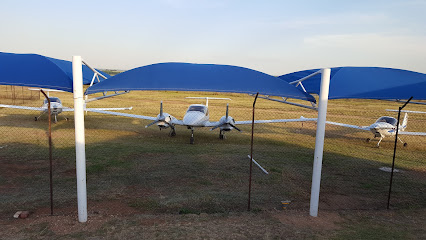
In practice, learners at Aeronav Academy (under Excellentia Airline Academy’s umbrella) benefit from access to facilities at Lanseria International Airport and instruction that emphasises real‑world training conditions. Reviews from visitors highlight the quality of instruction and the responsiveness of staff, painting a picture of a learner‑friendly environment where aviation theory is reinforced through practical flying sessions, alongside simulator experiences. The presence of approachable instructors and well‑regarded teaching staff emerges as a recurring theme in guest feedback, signalling a focus on clear communication, patient guidance, and professional mentorship throughout the training journey.
From a customer experience perspective, several visitors praise the school for its introductory experiences and the manner in which instruction is delivered. Recollections of professional introductions to flying, strong instructor guidance, and well‑equipped training facilities contribute to a perception of value and confidence for prospective pilots. The combination of friendly staff, modern training tools such as simulators, and the opportunity to train in a demanding airstrip environment at Lanseria appears to be a compelling mix for aspiring aviators seeking practical flight training with real‑world relevance.
Main services and typical training pathway
- Flight instruction delivered within a SACAA‑accredited framework and aligned to TETA recognition standards.
- Practical aviation training conducted at Lanseria International Airport, with exposure to controlled airspace and commercial traffic as part of routine instruction.
- Simulation and practical flight experiences designed to reinforce core piloting skills, safety procedures, and professional aviation practices.
- Transition pathway within Excellentia Airline Academy, offering continued access to existing programmes, instructors, and aircraft under a unified brand.
Customer journey and how requests typically work
Potential students and aviation enthusiasts considering Aeronav Academy (now operating under Excellentia Airline Academy) can expect an initial information flow through established contact channels, with enrolment and programme updates guided by the new head office structure and Lanseria operations. The focus is on maintaining continuity for current training programmes while gradually integrating into Excellentia’s broader operations. Learners are likely to experience direct engagement with instructors and administrative staff who coordinate training plans, schedule sessions, and provide guidance throughout the pilot‑training process.
Practical tips for prospective students
- Consider the Lanseria location for training that combines real airfield exposure with access to robust facilities and experienced instructors.
- Look for continuity in training staff and aircraft availability during the transition to Excellentia Airline Academy to ensure a smooth learning journey.
- Ask about the integration plan between Aeronav Academy and Excellentia, including how current students’ syllabuses and flight hours will be recognised within the new structure.
- Take advantage of simulator sessions as a complement to in‑air training, which can help build confidence before flying in busy airspace.
- Verify updated contact details and business hours with the Lanseria office to align visit or enrolment plans with the latest information.
Location and accessibility
The school operates at Lanseria International Airport in Gauteng, South Africa, serving students from the Johannesburg region and beyond who seek practical, real‑world flight training in a dynamic airfield environment. The broader Excellentia Airline Academy network expands training opportunities while maintaining a local presence at Lanseria to support ongoing instruction.
For updates on enrolments and future announcements, information is available through Excellentia Airline Academy’s channels, reflecting a continued commitment to high‑quality flight training within South Africa’s aviation sector.
Lanseria
Gauteng
South Africa
Sorry, no records were found. Please adjust your search criteria and try again.
Sorry, unable to load the Maps API.
Flight School Services in Lanseria, Gauteng
Lanseria, located some kilometres north of Johannesburg in Gauteng, is recognised for its aviation activity and provides a range of flight training options appropriate to aspiring pilots and qualified operators alike. Flight schools in this area typically operate from or near Lanseria International Airport, leveraging proximity to busy airspace and established aviation infrastructure. They serve individuals pursuing recreational flying, professional licences, and specialised training for commercial aviation.
Most flight schools in Lanseria offer a structured pathway that combines ground school with flight instruction. Students begin with an introduction to aerodynamics, weather interpretation, navigation, air law, and aviation procedures. Ground study is often supported by syllabus-based coursework and assessment, aimed at preparing candidates for written examinations and practical flying standards. In addition to theory, practical instruction covers aircraft handling, take-offs and landings, navigation exercises, circuit training, and flight planning.
A typical entry-level programme leads to the Private Pilot Licence (PPL), which is widely regarded as the foundational licence for independent flight. For those seeking a professional career, training can continue towards the Commercial Pilot Licence (CPL) and, for airline work, the Airline Transport Pilot Licence (ATPL). While the exact progression may vary by school, many programmes are designed to align with international aviation standards and South African Civil Aviation Authority (SACAA) requirements. Medical fitness assessments are usually a prerequisite, and the selection of medical class (often Class 2 for pilots or higher for certain pathways) is commonly discussed early in the process.
Flight schools in Lanseria frequently maintain a fleet that may include light single-engined aircraft suitable for initial training, as well as more advanced platforms used for cross-country and instrument flying practice. Instructors typically hold recognised qualifications and boast extensive flying experience. A focus on safety is standard, with comprehensive pre-flight checks, maintenance records, and adherence to operational procedures emphasised throughout the training journey.
Clients can expect a combination of scheduled lessons and flexible arrangements to accommodate work or study commitments. Block bookings, weekly timetables, and simulator sessions may be available, depending on the school. Practical training is usually complemented by theory classes held on site or remotely, supporting continuous progress regardless of weather conditions. Some programmes incorporate cross-country flight requirements, encouraging learners to plan and execute longer flights under supervision to build decision-making and navigation skills.
Practical considerations for prospective students include the regional climate and weather patterns in Gauteng, which influence flight planning and scheduling. Lanseria’s proximity to varied airspace, including controlled zones and proximity to Johannesburg’s traffic environment, requires careful briefing on air traffic control procedures and permitted flight zones. Learners should anticipate variable operational hours, with training often conducted during daylight and favourable weather periods, though some schools offer options for early morning or evening flying as conditions allow.
Prospective clients are advised to inquire about aircraft rental policies if partnering with a school, as well as the terms for instructor-led versus solo flight time. Ground school resources, examination support, and access to up-to-date navigational charts and meteorological information are common focal points. While specific fees, durations, and certificatory recognitions differ among providers, Lanseria’s flight schools generally emphasise practical competency, regulatory compliance, and the gradual development of flight discipline necessary for advancing through the licensing ladder.