Aerosport Flight Training is a Aviation training institute establishment in Durbanville, Western Cape, South Africa
Aerosport Flight Training – Aviation Training Institute in Durbanville, Western Cape
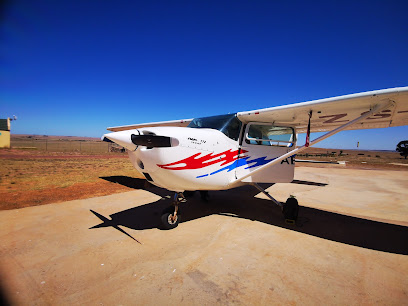
Located at Cape Winelands Airport, Aerosport Flight Training presents itself as Cape Town’s premier flight school, offering a broad spectrum of pilot training and aviation experiences. The school describes its core offerings as professional flight training across Private, Commercial and Instructor licences, alongside specialised licences for light sport aircraft, microlights and gyrocopters. The fleet revolves around aircraft such as the Solo Wings Aquila Trike and a Magni gyro, reflecting a focus on varied or components of light aviation that can suit different training paths and personal preferences.
Training pathways are structured under several primary programmes. The Private Pilot Licence (PPL) pathway is complemented by Instrument Rating (IR) coursework, enabling pilots to fly under instrument meteorological conditions. For those pursuing higher qualifications, the Commercial Pilot Licence (CPL) and an Instructor Rating (Grade III) are highlighted, indicating a route towards professional aviation or tuition roles. In addition to conventional fixed-wing training, Aerosport highlights options for gyrocopter and microlight licences, signalling a broader access point to aviation through alternative light-aircraft platforms. Introductory flights are also showcased, offering potential pilots a practical, first-hand experience of flight before committing to a formal training programme.
The visitor experience at Aerosport is presented through a combination of in-person training, gallery views, and a dedicated student area. The “Introductory Flights” page and the “Our Aircraft” section suggest an emphasis on transparency about what trainees can expect and the equipment available for their study. A photo and video gallery, including examples such as a prize-winning intro flight in a Magni gyro, contribute to a sense of accessibility and practicality for prospective students wandering through the site or planning a visit.
In terms of the student journey, the school appears to offer a straightforward process for prospective learners: a contact route is available via a dedicated training email address and a phone number, with information about the airfield and operational location readily provided. Reassuringly, customer feedback on the board of reviews emphasises safety, experienced instruction, and personalised attention. Reviewers repeatedly commend friendly, knowledgeable instructors and a welcoming environment that balances professionalism with a comfortable learning atmosphere. The testimonials also underscore the value of real-world experiences, such as scenic flights alongside training sessions, which can enhance motivation and learning retention for students at different stages of their aviation aspirations.
Typical outcomes highlighted by visitors include the realisation of pilot training milestones—ranging from introductory experiences to more formal licence attainment—and the sense of freedom and fulfilment associated with flight. The reviews often reference safety standards, constructive guidance, and the supportive attitude of staff, all of which contribute to a reputation for reliability and quality in light aviation training.
Customers can expect a combination of structured ground-and-air training alongside opportunities to observe and participate in scenic or specialised flights. The range of aircraft in Aerosport’s fleet offers both practical training platforms and engaging flying experiences, which can be appealing to learners who wish to explore different flight characteristics or who prefer a particular aircraft type as their primary training platform.
- Main services offered: Private Pilot Licence (PPL), Instrument Rating (IR), Commercial Pilot Licence (CPL), Instructor Rating (Grade III), Introductory Flights, and specialised licences for light sport, microlight and gyrocopter operations.
- Typical experiences: formal training pathways, introductory flights to sample flight, engaging scenic flights, and access to a diverse fleet (including Magni gyro and Aquila trike).
- How requests usually work: contact Aerosport via [email protected] or +27 (0)21 001 8802; information about the airfield and location at Cape Winelands Airport is provided on the website; a student area and gallery support ongoing engagement.
Practical tips for customers include planning ahead for the chosen licence path, taking advantage of introductory flights to gauge fit, and reviewing the gallery and fleet options to align with personal interests—whether in gyrocopters, microlights, or fixed-wing aircraft. Prospective students should consider weather conditions and seasonal accessibility at Cape Winelands Airport when scheduling training flights, and verify any updates to contact details or fleet status before visits.
Location and service area: Aerosport operates from Cape Winelands Airport, near Wintervogel, serving the Western Cape region including Cape Town for aviation training and related air experiences. The customer ecosystem reflects a practical, experience-focused approach, with emphasis on safety, accessible instruction, and a personalised learner journey.
Durbanville
Western Cape
South Africa
Sorry, no records were found. Please adjust your search criteria and try again.
Sorry, unable to load the Maps API.
Aviation training institute services in Durbanville, Western Cape
In Durbanville, Western Cape, aviation training institutes provide a range of programmes designed to prepare aspiring pilots, aviation technicians, and aviation professionals for professional roles within the South African air transport sector. As seasoned learners navigate the pathway to first licences and ongoing professional development, observers can expect an integrated approach that combines ground theory with practical flight experience, all conducted under the oversight of national aviation authorities and industry standards relevant to the region.
Core offerings typically include ground school courses that cover aviation theory, meteorology, air law, navigation, and flight planning. These courses establish the foundational knowledge required for subsequent practical training and examinations. Attendees often benefit from study schedules that accommodate varied commitments, enabling both full‑time students and part‑time learners to progress at a steady pace while meeting regulatory milestones.
Practical flight training forms a central component of the services available. This usually encompasses introductory flights, basic handling, cross‑country exercises, and progressive flight instruction that leads to obtaining a private pilot licence (PPL) or onward ratings. Training flights are typically conducted from nearby airfields or aerodromes, with experienced flight instructors providing real‑time guidance, safety briefings, and post‑flight debriefs to reinforce learning outcomes.
In addition to pilot training, several institutes offer specialised programmes for aviation professionals, such as aircraft maintenance and engineering courses, avionics theory, and safety management. These programmes address the technical knowledge and hands‑on skills required to support fleet reliability, regulatory compliance, and ongoing airworthiness management within commercial and private fleets.
Simulator-based training is commonly incorporated to augment real‑world flight time. Full‑motion or fixed‑base simulators enable practice of complex procedures, emergency scenarios, and instrument‑based flight under controlled conditions. Simulated sessions help learners build confidence, reduce risk, and optimise the use of actual aircraft time, while supporting skill retention across varying weather conditions and operational scenarios.
Support services frequently extend beyond classroom and cockpit instruction. Students may access career guidance, scheduling assistance, and progression planning to navigate licences, ratings, and endorsements that align with personal and professional objectives. Administration teams typically coordinate exam registrations, document validation, and adherence to regulatory requirements, ensuring compliance with national aviation authorities that govern training standards in the region.
Practical considerations for those evaluating aviation training in Durbanville include proximity to Cape Town and surrounding airfields, which can influence travel time and access to facilities. The climate of the Western Cape, with its mix of clear days and variable weather, provides a realistic environment for training across different conditions. Availability of modern training aircraft, as well as maintenance and engineering resources, may vary between institutes, so prospective learners are advised to compare fleets, instructor qualifications, and safety records when assessing options.
Typical expectations for prospective students involve meeting entry prerequisites, such as medical fitness verification and age requirements, followed by an assessment to determine readiness for theory and flight training. Progression is generally organised into modules or stages, with milestones that lead to formal assessments or examinations. Institutes emphasise safety, adherence to international and local aviation standards, and ongoing professional development through continuing education opportunities.
Overall, aviation training institutes in Durbanville aim to offer practical, well‑rounded programmes that combine theoretical knowledge, hands‑on practice, and regulatory awareness. Learners can expect a structured pathway supported by experienced instructors, modern training resources, and a focus on preparing individuals for a safe and competent entry into the aviation profession within South Africa.