AIFA (AVIC – International Flight Training Academy) is a Flight school establishment in Oudtshoorn, Western Cape, South Africa
AIFA – AVIC International Flight Training Academy: Flight School in Oudtshoorn, Western Cape
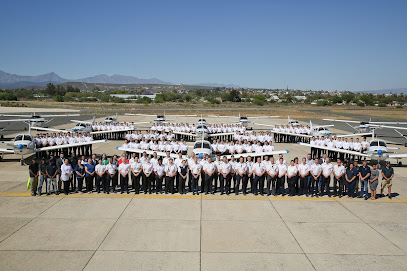
AIFA (AVIC – International Flight Training Academy) presents itself as an internationally accredited pilot training organisation offering professional, high-standard flight training in South Africa. With accreditation from both the South African Civil Aviation Authority (SACAA) and the Civil Aviation Administration of China (CAAC), the academy emphasises compliance with global aviation safety and training standards. The programme is delivered using a modern fleet of aircraft and advanced simulators, underscoring a commitment to contemporary instructional methods and realistic flight experience.
The academy operates across a triad of training bases located at George Airport (FAGG), Beaufort West Aerodrome (FABW), with administrative headquarters at Oudtshoorn Airport (FAOH). This geographic spread allows access to diverse flying conditions and environments within the Western Cape, contributing to a comprehensive and immersive training environment. Safety is highlighted as a central pillar of the training philosophy, reflecting an emphasis on uncompromising aviation safety standards in both instruction and operations.
As an independent observer, one notes that AIFA positions itself as a gateway for students pursuing a range of professional aviation careers. The organisation aggregates a sizeable output of successful pilots, with historical figures indicating hundreds of thousands of hours flown and thousands of students progressing through various stages of licence and rating courses. While specific course details appear on dedicated pages, the overarching message is one of structured progression through licencing milestones supported by experienced instructors and modern training resources.
Main services offered
- Private Pilot Licence (PPL) — foundational training for aspiring pilots seeking private pilot qualifications
- Commercial Pilot Licence (CPL) — professional training for pilots aiming to operate commercially
- Airline Transport Pilot Licence (ATPL) — advanced pilot training for leadership roles in air transport operations
- Instructors Course — programmes designed to prepare qualified pilots to instruct others and contribute to flight training fleets
The delivery of these programmes is framed by access to a modern fleet and simulators, which are integral to developing core piloting competencies, aeronautical decision-making, and hand‑on flight skills. The dual emphasis on real aircraft and high‑fidelity simulators supports varied learning styles and allows for progressive skill acquisition across the different licence levels.
In terms of structure and learner experience, the site highlights a blend of expert instruction, the favourable flying weather typical of South Africa, and the distinctive natural surroundings that characterise the region. The combination is portrayed as conducive to immersive learning and the real-world application of classroom theory through practical flight time and simulated scenarios.
<h2 Typical job types and industries
The training is oriented toward careers in commercial aviation and flight operations. While specific job titles are not enumerated on the available materials, the programme trajectory—from PPL through CPL to ATPL—aligns with roles in commercial air transport and related aviation sectors that require progressively higher levels of licence validation and aircrew competencies. The focus remains on preparing students for global aviation careers rather than regional or single‑industry placements.
<h2 How requests and enrolment typically work
Enquiries and information access are routed via the official site, including dedicated pages for each licence category and an “About AIFA” section. The site signs post contact and engagement through user navigation elements such as “Learn More” and direct contact pages. Prospective students can expect a process that involves reviewing programme details, confirming accreditation and facilities, and then engaging with the academy’s training pathways through the appropriate course pages.
<h2 Practical tips for customers
- Verify accreditation and facilities: The SACAA and CAAC endorsements, along with the modern fleet and simulators, underpin the credibility and safety emphasis of the programme.
- Consider regional training environments: With bases at George and Beaufort West and headquarters at Oudtshoorn, the brand offers exposure to varied flight conditions.
- Review licence progression: Start with the PPL pathway and follow through CPL and ATPL to align with long‑term career goals in commercial aviation.
- Consult course pages for specifics: Individual licence pages outline prerequisites, duration, and progression requirements; these should be reviewed prior to committing.
<h2 Location and area served
The academy is based in Oudtshoorn, Western Cape, with training bases in George and Beaufort West. This triad of locations situates AIFA within a broad South African aviation region, enabling access to diverse training environments while serving students and industry partners across the Western Cape and beyond.
<h2 Practical information
Key facts to note include the international accreditation, the multi-base operation, and a stated emphasis on safety as a core principle of the training approach. For those seeking further detail on practicalities such as opening hours or specific visit arrangements, the site provides a structured gateway to course information and contact avenues via its navigational sections.
Oudtshoorn
Western Cape
South Africa
Sorry, no records were found. Please adjust your search criteria and try again.
Sorry, unable to load the Maps API.
Flight School Services in Oudtshoorn, Western Cape
Oudtshoorn, set amid the Klein Karoo landscape, is home to flight schools that offer practical aviation instruction for both aspiring pilots and aviation enthusiasts. The area’s wide open skies, clear weather patterns, and diverse terrain present a distinctive training environment. Flight schools in this region typically provide a range of programmes designed to develop core piloting skills, navigation competencies, and a sound understanding of aviation safety.
Core offerings generally begin with ground school, where theory lectures cover air law, meteorology, aircraft performance, navigation, and aviation physiology. These sessions prepare students for theoretical examinations and lay the groundwork for confident decision-making during flight. Practical flying lessons follow, with a focus on basic handling, stall awareness, take-off and landing procedures, emergency procedures, and routine airfield operations. The curriculum is crafted to align with national aviation standards, while instructors tailor progress to the individual’s pace and schedule.
Aircraft and facilities often form a central aspect of the training experience. Small, general aviation aircraft chosen for training purposes are typically used for early solo flights, cross-country exercises, and instrument training where available. Many Oudtshoorn flight schools also maintain simulators or classroom teaching aids to reinforce learning in a controlled environment. Ground-based briefings, post-flight debriefs, and safety reviews complement each flight, reinforcing consistency and problem-solving skills.
Practical considerations influence the training journey. The Klein Karoo’s climate offers a favourable training window for most of the year, though seasonal winds and high temperatures can affect performance calculations and endurance planning. Training routes commonly include local airspace, uncontrolled aerodromes, and brief cross-country legs to nearby towns, providing realistic navigation practice. Students may encounter varied terrain and elevation changes, contributing to a well-rounded understanding of flight planning and situational awareness.
Safety and regulatory compliance remain paramount. Instructors typically emphasise standard operating procedures, maintenance awareness, and pre-flight checks. Medical certificates are usually required in advance of certain licences, with ongoing medical reviews as training progresses. Flight schools may assist students in preparing for licence examinations and may offer guidance on medical and regulatory requirements as part of a structured programme. While specific certification pathways can differ, the objective remains the same: to build competence, discipline, and prudent decision-making in aviation operations.
Several practical aspects shape the customer experience. Students should expect transparent scheduling, with lesson blocks that accommodate work or study commitments. Basic aviation expenses, including air time, instructor fees, and examination costs, are typically discussed upfront. A clear understanding of progress milestones helps learners stay motivated and forecast the pathway to a first solo flight, a Private Pilot’s Licence (PPL), or other recognised qualifications, subject to local regulatory validation.
Prospective trainees are advised to consider weather patterns, air traffic activity, and the proximity of maintenance facilities when selecting a flight school in Oudtshoorn. An emphasis on reliable instruction, consistent mentoring, and a supportive learning environment often distinguishes reputable establishments. Prospective clients may also value schools that offer flexible scheduling, clear progression plans, and accessible instructor support, enabling careful pacing while maintaining safety and quality throughout the training journey.
- Ground school and theory instruction
- Introductory flying lessons and solo flight preparation
- Flight instruction for Private Pilot Licence (PPL) and other licences
- Basic aeronautical navigation and aerodrome operations
- Maintenance awareness and pre-flight inspection training