Aviation Junction Flying School is a Flight school establishment in Secunda, Mpumalanga, South Africa
Aviation Junction Flying School: Flight Training in Secunda, Mpumalanga
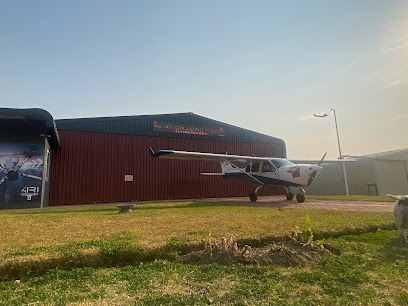
Located at Secunda Airfield in Mpumalanga, Aviation Junction Flying School (AJFS) operates from Hangar W4 and offers a structured path for aspiring pilots. Positioned just over an hour from Johannesburg, the school markets itself as a centre dedicated to producing highly skilled, professional pilots through an advanced training programme designed to meet airline industry standards. The operating environment is emphasised as relatively uncrowded airspace, which enables trainees to log more flight hours with fewer interruptions while developing essential flight skills, navigation competence and safety practices.
The heart of AJFS’s offering lies in its comprehensive courses. The school presents a progressive training spectrum that begins with the Private Pilot Licence (PPL) and extends to more advanced qualifications such as the Commercial Pilot Licence (CPL), Instrument Rating (IR), Night Rating, Multi-Engine Rating (MER) and Instructor Rating. Each course is described as combining hands-on flight time with expert instruction and the knowledge required to excel in both recreational and professional aviation. For students and international participants, the programme emphasises structured learning, modern aircraft and a learning environment geared towards preparation for airline operations with minimal additional training after graduation.
Beyond the core licences and ratings, AJFS highlights several practical advantages. In addition to dedicated flight training, the school notes access to experienced instructors who bring real-world operating experience to the classroom and the cockpit. The team is led by senior figures including an accountable manager and flight instructors who coordinate and deliver the curriculum, with safety and quality management features publicly evident on the team list. The facility also advertises accommodation arrangements to support affordable stays close to the training site, which can be an important consideration for international students or those relocating for their training.
In terms of international and cross-border opportunities, AJFS promotes a programme that caters to Indian students seeking DGCA-aligned pilot training in South Africa. The school describes a dual focus on meeting DGCA and South African Civil Aviation Authority (CAA) requirements, with additional support for licence conversion, ground school, and related steps to facilitate international students' progression. This suggests a willingness to partner with learners from diverse regulatory backgrounds and to assist with the administrative process involved in obtaining or converting licences.
Potential students can explore a range of specialised assessments and milestones within AJFS’s course structure. The PPL pathway requires a sequence of dual and solo flight hours, examinations, and a practical flight test, with stated prerequisites such as medical certification and age requirements. The CPL stream outlines prerequisites (including a PPL and night rating) and milestones such as total flying hours, instrument training, and ground exams, followed by a final flight test. Other ratings—instrument, night, multi-engine—are described as extensions to the core licences, designed to enhance a pilot’s capability to operate under varied conditions and aircraft configurations. Instructor Training offers a route for those aiming to teach within aviation schools or airline environments, reflecting AJFS’s emphasis on producing capable, employment-ready graduates.
Customer feedback collected through visitor reviews presents a consistently positive picture of AJFS. Respondents describe the school as professional and knowledgeable, with instructors who are approachable and capable of tailoring training to individual needs. Several reviewers commend the pace and value of the programme, noting the affordability relative to perceived quality and the direct impact on personal and professional growth. Overall, the sentiment from past learners hints at a supportive, merit-focused learning environment where students feel well supported on their aviation journey.
Typical requests and engagement with AJFS are presented as enquiries about available courses, accommodation options and the logistics of international student training. Contact details are publicly listed, including a general address at Secunda and a phone line for direct communication, together with a map link for localisation. The site indicates practical avenues for prospective students to begin the process, including online forms to initiate contact and discuss individual training goals.
Practical tips for prospective trainees include ensuring eligibility criteria such as minimum age and medical requirements are met before committing to a course. Prospects should be prepared for the documentation and examinations associated with each licence or rating—particularly the SPL and PPL steps, which involve official medical certificates, documentation, and regulatory examinations. In addition, exploring accommodation options near the flying school can help manage living costs during training. For international applicants, engaging early with the school about DGCA-aligned pathways and visa or permit considerations is advisable, given AJFS’s stated focus on cross-border training arrangements and licence integration.
AJFS positions itself as a Secunda-based aviation education provider offering a clear training trajectory—from initial private flying ambitions to professional pilot qualifications—while emphasising world-class instruction, practical flight experience, and a support network to assist international students through regulatory and logistical steps. The combination of uncrowded airspace, experienced instructors, comprehensive curricula, and potential accommodation support contributes to a compelling option for individuals pursuing a pilot career from Mpumalanga and beyond.
Location and area served: Secunda, Mpumalanga, with accessibility for travellers coming from Johannesburg and other parts of South Africa and beyond, reflecting the school’s international orientation and local aviation heritage. Business hours and best times to visit are not explicitly stated on the public pages, but the on-site presence at Secunda Airfield and the contact options imply weekday operating hours typical of aviation training facilities.
Secunda
Mpumalanga
South Africa
Sorry, no records were found. Please adjust your search criteria and try again.
Sorry, unable to load the Maps API.
Flight School Services in Secunda, Mpumalanga
Secunda, a town in Mpumalanga known for its industrial heritage and proximity to regional aviation activity, hosts several establishments that specialise in flight training for aspiring pilots and aviation enthusiasts. Flight school services in this area typically combine practical flying lessons with ground-based instruction to provide a well-rounded pathway into aviation. The results are geared towards both beginner aviators seeking a first licence and more experienced pilots pursuing additional ratings or enhanced proficiency.
Training programmes usually begin with an introductory flight or discovery lesson designed to give potential students a practical feel for flight and to help determine personal goals. This initial experience often leads into a structured curriculum consisting of dual instruction with an approved flight instructor, followed by solo flights when the student has demonstrated adequate competency. The progression is commonly supported by aircraft kept on site and maintained to ensure safety and reliability for training flights.
Key services frequently offered by flight schools in Secunda include:
- Introductory or discovery flights to assess interest and aptitude
- Dual instruction with qualified flight instructors to develop fundamental piloting skills
- Solo flight sessions once the examiner approves progress and confidence
- Ground school or theory instruction covering navigation, meteorology, aircraft systems, and flight planning
- Flight planning sessions, including route planning, weight and balance calculations, and fuel management
- Simulator-based training to practise procedures and emergency handling in a controlled environment
- Licence and rating pathways appropriate to the student’s goals, such as private pilot, commercial pilot, or instrument flying, subject to local regulations
- Airmanship development, including decision-making, risk management, and communications with air traffic services
Customers can expect a practical, hands-on approach tightly integrated with theoretical learning. Training typically combines scheduled flight hours with structured classroom or online theory, allowing students to learn the concepts that underpin safe flight as well as the mechanics of actual navigation and control from the cockpit. Instructors emphasise standard operating procedures, radio phraseology, and emergency procedures to prepare learners for real-world scenarios.
Practical considerations in Secunda include the availability of suitable weather for flight training, as well as the proximity to airstrips and supporting services. Prospective students should consider the cadence of training in relation to local climate patterns, maintenance schedules for training aircraft, and the ability to coordinate lesson times with work, studies, or other commitments. It is common for flight schools to provide guidance on medical requirements, renewal of licences, and ongoing skill refreshment to maintain flight readiness.
Prospective pupils may also weigh costs and funding options, including the duration of courses and the number of hours typically required for the desired licence or rating. While costs vary between schools, best practice emphasises transparent, itemised quotes and clear expectations regarding any additional fees for equipment, examinations, or regulatory fees. Student feedback often highlights the importance of attentive instructors, well-maintained aircraft, and a supportive learning environment that fosters steady progress without compromising safety.
Overall, flight school services in Secunda and the surrounding Mpumalanga region aim to provide a practical, safety-focused route into aviation. By combining hands-on flight experience with grounded instruction and a clear progression path, these programmes seek to help learners build confidence, competence, and the technical grounding necessary for responsible piloting in South Africa’s diverse airspace.