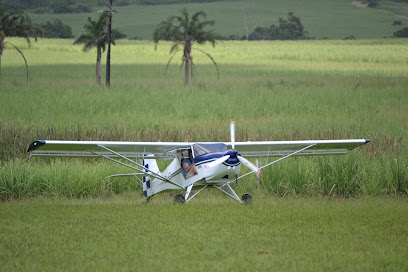
Ballito Microlights is a Flight school establishment in Dolphin Coast, KwaZulu-Natal, South Africa
Dolphin Coast
KwaZulu-Natal
South Africa
Sorry, no records were found. Please adjust your search criteria and try again.
Sorry, unable to load the Maps API.
Flight School Services in Dolphin Coast, KwaZulu-Natal
<pIn the Dolphin Coast area of KwaZulu-Natal, flight schools commonly offer a range of aviation training aligned with the needs of aspiring pilots and aviation enthusiasts. These establishments typically provide introductory lessons, theory instruction, practical flight training, and ongoing skill development across various aircraft categories. The local coastal landscape, favourable weather patterns, and nearby airfields contribute to a practical setting for both beginners and those seeking more advanced aviation objectives.
<pA typical flight school in this region will present a programme that blends ground school with hands-on flight time. Ground school covers essential aviation knowledge, including air law, meteorology, navigation, aircraft performance, and human factors. This theoretical component is designed to build the foundation required for safe and competent flight operations. Depending on the school, instruction may be delivered through a combination of classroom sessions, online learning, and study materials designed to support independent preparation.
<pPilots in training generally begin with introductory flights or discovery lessons to gauge interest and suitability. These sessions allow prospective students to experience flight from the cockpit, observe air traffic awareness, and assess comfort levels with controls and aerodynamics. Following a successful introductory lesson, two common pathways emerge: a recreational or private pilot licence (PPL) track for personal flying, and a more structured training path aimed at professional or semi-professional aspirations. The choice influences the cadence of lessons, flight time requirements, and assessment milestones.
<pPractical flight training in Dolphin Coast typically involves a combination of solo and supervised flight time. Trainees learn core piloting skills such as airspace procedures, take-offs and landings, climbs and descents, turns and navigation, and radio communication. The training fleet often includes light single-engine aircraft suitable for beginners, with additional aircraft available for more advanced practice as proficiency increases. Cross-country flights may be incorporated to build route planning, time management, and decision-making abilities in real-world contexts.
<pFor those pursuing structured progression, flight schools outline a progression framework that coordinates with regulatory expectations and licensing requirements. This framework encompasses logbook maintenance, periodic assessments, and check rides or proficiency checks conducted by qualified examiners. While specific certification names and regulatory details vary, the general sequence emphasises safety, competence, and continuous improvement. Students are typically advised on practical considerations such as suitable clothing, weather-related planning, and the importance of regular practice to retain skills between sessions.
<pThe Dolphin Coast location offers several practical considerations for flight training. Continental weather patterns and coastal air currents can present opportunities for varied training scenarios, including coastal navigation and VFR (visual flight rules) practice, subject to local airspace restrictions and air traffic control procedures. Accessibility to nearby airports or airstrips, availability of hangar space, and the reliability of maintenance services are practical factors that influence scheduling and aircraft uptime. Prospective trainees may also need to consider arrangements for transport to and from training venues, equipment requirements, and any local requirements for medical examinations or licences that apply to the chosen training track.
<pWhile no two flight schools are identical, the overarching experience typically centres on a balanced blend of theory, hands-on flight time, mentorship from experienced instructors, and structured progress assessments. The aim is to foster safe piloting habits, sound decision-making, and the confidence necessary to pursue further aviation interests. Potential students are encouraged to inquire about the training philosophy, lesson formats, aircraft types, and available support services such as mentoring, practice lounges, and study resources to ensure alignment with personal goals and schedules.