Ballito Radio Control Club is a Aeroclub establishment in Dolphin Coast, KwaZulu-Natal, South Africa
Ballito RC Club – Aeroclub in Dolphin Coast, KwaZulu-Natal
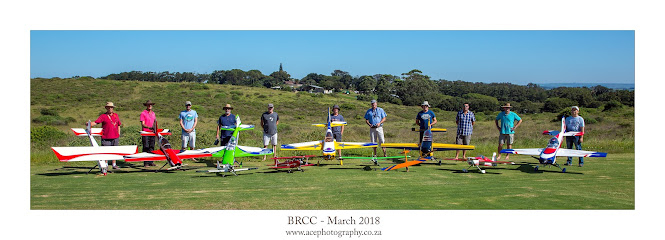
The Ballito Radio Control Club (BRCC) operates as a dedicated airfield and flying club situated on KwaZulu‑Natal’s North Coast, near Ballito. Established in 2013, the club serves enthusiasts who fly model aircraft across a range of disciplines, including model planes, large-scale aerobatics, helicopters, jets, drone racing, as well as recreational and commercial RPAS flights. The facility is SACAA and SAMAA registered, with formal safeguards and procedures designed to integrate operations with controlled airspace surrounding King Shaka International Airport.
Core services extend beyond casual flying to structured skill development and regulated testing. Members are encouraged to obtain SAMAA proficiency qualifications (Solo, Bronze, Silver, Gold, and Instructor) through theory and practical assessments. The BRCC Sequences, introduced in 2021, provide a guided set of manoeuvres for any aircraft capable of looping or rolling, intended to help pilots refine control and reduce repairs through disciplined practise and peer discussions. The club also supports RPAS (drone) testing as a recognised service within controlled airspace, reflecting a partnership with Drone Port Solutions for certified test activities.
Operationally, BRCC operates from an airfield that is privately owned and positioned within the King Shaka International Airport control zone. A Letter of Agreement with the airport is reviewed annually, underscoring adherence to air traffic control (ATC) directives and safety requirements. All flying activities are conducted under a comprehensive Rules and Regulations framework, the BRCC Manual of Procedure, and SAMAA Safety Code, with pilots required to hold SAMAA registration and certification to fly the airfield. Visitors and visiting pilots are welcome, though they must comply with the same safety standards and are advised to review the club’s rules before flying.
Typical activities encompass both the recreational enjoyment of RC flying and more formal training paths. The BRCC publishes a suite of resources for skill enhancement, including downloadable flight sequences and proficiency test sheets, enabling members to track progression from entry-level to advanced flight mastery. For those seeking a broader engagement with the hobby, the club presents a supportive, safety-conscious environment where newcomers can be mentored by more experienced members, and where the emphasis is on learning, practice, and responsible operation.
How requests and participation usually work
Prospective members begin by joining SAMAA for insurance and then submitting BRCC membership paperwork. Once accepted, members gain access to the airfield and are expected to observe the club’s safety rules and operating times. The club promotes a collaborative culture—new pilots and visitors are encouraged to seek guidance from seasoned members, and spotters are recommended to accompany flights to ensure safe coordination with nearby air traffic and other users of the airfield.
Flying times are clearly defined, with electric aircraft and drones allowed flexible access. Petrol and nitro-powered aircraft operate within designated windows on weekdays, Saturdays, and Sundays, subject to neighbourly considerations and weather. The BRCC also maintains a visitor-friendly policy, including a landing fee for visiting pilots and a reminder that the airfield is private property with liability limitations for entrants. The runway measures 200 by 10 metres, and the airfield sits within the broader King Shaka International Airport vicinity, which necessitates communication with ATC prior to commencement of flight activities.
The BRCC makes a point of emphasising safety as a core principle. Visitors are advised to wear reflective vests if acting as safety officers, to perform pre-flight and range checks, and to refrain from flying over restricted zones such as the nearby N2 highway. Alcohol consumption is discouraged for pilots, and there is guidance to be mindful of other users of the land, including equestrian activities and local paths used by residents. In this way, the club seeks to foster a responsible, community-oriented culture that supports ongoing access and airspace compliance.
Practical tips for customers
- Verify current flying times and any access restrictions before visiting, especially around petrol/nitro operations and Sundays when activity tends to peak.
- Ensure SAMAA registration and appropriate proficiency level are in place prior to flying; consult BRCC’s online resources for proficiency test sheets and flight sequences.
- When arriving as a visitor, plan for landing fees where applicable and bring appropriate safety gear, including reflective vests if acting as a safety officer.
- Read the BRCC Rules and Regulations and the MOP in advance to understand responsibilities, safety obligations, and the disciplinary framework.
- Account for the airfield’s location within controlled airspace and follow ATC instructions when applicable.
- If exploring RPAS testing or drone activities, review the relevant regulatory guidance and clinic collaboration details for test site access.
Where and when
The BRCC is based in Ballito, KwaZulu‑Natal, offering services to AMU and visiting pilots across Dolphin Coast and the wider KwaZulu‑Natal region. The airfield’s proximity to King Shaka International Airport means coordinate operations with ATC and to observe local airspace guidelines. The site is widely regarded by visitors and local hobbyists as an approachable, well-kept venue for model aviation and drone training, supported by a friendly community and a structured governance framework.
Dolphin Coast
KwaZulu-Natal
South Africa
Sorry, no records were found. Please adjust your search criteria and try again.
Sorry, unable to load the Maps API.
Aeroclub Services on Dolphin Coast, KwaZulu-Natal
Across the Dolphin Coast region of KwaZulu-Natal, an aeroclub offers a welcoming hub for aviation enthusiasts, aspiring pilots, and seasoned flyers alike. The setting combines coastal scenery with accessible airspace, creating a practical environment for flight training, aircraft operation, and community aviation activities. The clubs typically emphasise safety, hands‑on learning, and ongoing support for members and visitors who seek to explore the skies over this subtropical coastline.
Core services commonly provided by aeroclubs in this area include introductory flights and trial experiences, which allow beginners to sample the sensation of flight under professional supervision. For those pursuing a structured route, local clubs frequently offer flight training programmes that cover the basics of aviation theory, navigation, meteorology, and aircraft handling. As training progresses, aspiring pilots can undertake practical flying lessons in light aircraft, with mentors ensuring that each flight reinforces sound decision‑making and discipline in aircraft control.
Another important feature is aircraft hire or rental for qualified pilots. Members and sometimes visiting aviators can access a fleet of light aircraft for solo sorties, training flights, or scenic routes along the coastline. Availability depends on maintenance schedules, weather windows, and regulatory requirements, but the arrangement generally supports flexible scheduling for recreational flying as well as structured practice sessions for students.
In addition to primary training and aircraft usage, aeroclubs in KwaZulu‑Natal often organise group activities and social events. These can include fly‑outs to nearby airstrips, safety seminars, guest talks from aviation professionals, and informal gatherings that foster a sense of community among aviation enthusiasts. The club environment tends to encourage knowledge sharing, peer feedback, and mutual support, which can be especially valuable to those building confidence in new piloting skills.
Maintenance and safety constitute essential components of the offering. Reputable clubs ensure that aircraft are kept to appropriate standards through routine inspections and verifications. Access to workshop facilities or qualified technicians may be available for routine checks, but airworthiness responsibilities generally lie with the operator and the registered aircraft owners. Adherence to civil aviation regulations, airfield procedures, and controlled airspace rules is emphasised in both training and operational activities.
Practical considerations for visitors and prospective members include location and access, parking arrangements, and the variability of weather conditions. The Dolphin Coast enjoys a mild, maritime climate, yet coastal winds, afternoon thermals, and seasonal showers can influence flight planning. Prospective participants are advised to check weather forecasts, operating hours, and any seasonal restrictions that could affect lessons or aircraft availability. Ground briefings, cockpit safety rituals, and appropriate identification or credentials are commonly required before flying activities commence.
- Introductory flights and trial lessons
- Structured flight training and theory courses
- Aircraft hire for qualified pilots
- Club‑hosted events, talks, and social activities
- Maintenance support and safety oversight
Overall, aeroclubs on the Dolphin Coast provide a practical pathway into aviation, balancing instructional rigour with the freedom of flight in a scenic coastal region. Visitors should approach with a clear expectation of safety‑driven operations, modular learning options, and the courteous, collaborative atmosphere that characterises local aviation communities. For those drawn to aviation, the dolphin‑fringed skies offer an inviting gateway to hands‑on experience, instruction, and ongoing participation in a vibrant flying culture.