Bird Aviation is a Aviation training institute establishment in Lanseria, Gauteng, South Africa
Bird Aviation: Overview of Aviation Training Services and Customer Experience (Lanseria, Gauteng)
From an independent external viewpoint, Bird Aviation operates within the aviation training sector at Lanseria, Gauteng, offering programmes and facilities aligned with professional pilot development. The available information situates the organisation as serving aspiring pilots and aviation professionals through a structured flight training pathway, combining classroom study with hands-on flight instruction. The emphasis appears to be on delivering recognised training that progresses from foundational licensing to more advanced qualifications, tailored to individual progress and career aims within the aviation industry.
The core training offerings are presented as a progression from entry-level to advanced credentials. Learners can expect instruction areas that cover the Private Pilot’s Licence (PPL) and potentially higher-level qualifications such as an Airline Transport Pilot’s Licence (ATPL) and supplementary courses designed to enhance practical skill and theoretical understanding. This layered approach is typical of civilian pilot training organisations, ensuring that students acquire the necessary competencies in aeroplane handling, air law, navigation, meteorology, and flight planning, while progressing through increasingly demanding solf the training syllabus.
Beyond pure flight instruction, the provision of accommodation and transport for pilot trainees is highlighted as a notable feature. This aspect recognises the practical realities of training programmes that require relocation or daily commuting arrangements. The inclusion of student-oriented amenities—such as convenient lodging and transportation links to the training facility—signals an intent to support trainee focus and wellbeing, which can be a critical factor in successful completion of demanding courses. In practice, such arrangements are designed to simplify logistics for learners who relocate to attend training and to help maintain consistency and discipline throughout the programme.
Customer feedback from public reviews signals a generally positive impression of the training environment and staff. Review snippets describe a professional and welcoming atmosphere, with particular praise directed at instructors and management for supporting student progress. The sentiment that the school is approachable and that staff maintain a helpful and organised approach aligns with expectations for a quality flight training operation. Visitors frequently note that well-prepared instructors, efficient administration, and structured tours of the facility contribute to a constructive first impression and ongoing confidence in the training process.
Innovation and operational flexibility also feature in the visitor experience. Observations from user comments suggest a well-served airport environment, with trainees appreciating access to a facility that is described as well serviced and relatively straightforward to operate from. The ability to engage with programme staff for information, tours, and guidance appears to be a recurring theme in the feedback, contributing to an informed and supportive early experience for prospective aviators.
In terms of services beyond ground-based learning, the broader aviation offerings referenced in the available information point to a context in which aviation training is complemented by practical flight opportunities. While the primary focus is on training courses and progression through recognised licences, there is also an implicit acknowledgement of the value of real-world flight experience, which is essential for building confidence and competence in new pilots.
Practical tips for prospective students
- Consider accommodation and transport options early to minimise daily travel time and maximise study focus.
- Seek clarity on the licensing pathway relevant to career goals (PPL to ATPL) and the specific curriculum structure for each rating or certificate.
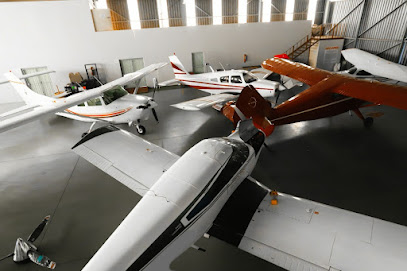
- Request a guided tour of the facilities to assess aircraft availability, simulators (if offered), and the instructional environment.
- Ask about instructor qualifications and class sizes to understand how personalised supervision and feedback are delivered.
- Inquire about funding options, onboarding timelines, and the process for entry testing or skill assessments.
Located in Lanseria, Gauteng, the provider appears oriented towards serving learners across South Africa who are seeking formal aviation training within a supportive, well-organised framework. The combination of recognised flight training programmes, accommodation/transport support, and a generally positive reception from current and past students positions the facility as a credible option within the aviation training landscape of the region.
Lanseria
Gauteng
South Africa
Sorry, no records were found. Please adjust your search criteria and try again.
Sorry, unable to load the Maps API.
Aviation Training Institute Services in Lanseria, Gauteng
Across Lanseria and the surrounding Gauteng region, aviation training institutes provide a range of programmes designed to prepare aspiring pilots, engineers, and aviation professionals for operational roles within commercial, corporate, and charter aviation. The offerings typically combine theory instruction with practical flight training, simulator sessions, and related support services to build the competencies required for initial licensing and ongoing professional development.
Key services commonly delivered include structured ground school and theory courses covering air law, navigation, meteorology, flight planning and performance, aircraft systems, and aviation physiology. These modules are designed to build a solid intellectual foundation before or alongside flight training, helping learners understand how aircraft operate, how to plan safe flights, and how to respond to routine and abnormal situations.
Flight training is often a central component, with pathways that may begin at the private pilot licence (PPL) level and extend through commercial pilot licence (CPL) and, for those pursuing more advanced roles, the airline transport pilot licence (ATPL). Training typically involves a combination of single-engine and multi-engine flight hours, as well as flight instruction from qualified instructors. In addition, some institutes offer specialised tracks such as aircraft type rating courses, corporate aviation programmes, or flight branches focused on aerial surveying, photography, or emergency medical services.
To support practical skill development, many Lanseria-based providers utilise flight simulators and aeroplane mock-ups that mirror cockpit procedures and checklists. These facilities allow students to practise cockpit resource management, instrumentation interpretation, and routine checklists in a controlled environment before exercising live air time. Simulators are often supplemented by supervised flight routes that emphasise negotiating air traffic control clearances, handling weather-related challenges, and performing standard departures and arrivals in varied terrain and airspace structures.
Practical considerations for students include access to well-maintained aircraft fleets, transparent training schedules, and clear progression milestones. Organised intake periods, adherence to aviation authority requirements, and regular performance reviews help learners track capability development. Training centres may also provide practical assistance with medical examinations, student visa or permit if applicable, and guidance on licensing prerequisites and regulatory steps required to advance from one licence to the next.
Other educational and support services typically encountered encompass study resources for theory exams, access to aviation literature, and guidance on safety management practices. Some institutes offer instructor or mentor programmes, enabling graduates to gain teaching experience or to obtain additional credentialing for career advancement within flight schools, research departments, or aviation maintenance environments. Language support and examination preparation assistance can further aid learners who operate within international aviation frameworks or who intend to pursue opportunities beyond South Africa.
Prospective students should consider practical factors when choosing a training provider in Lanseria. Proximity to Lanseria International Airport and other regional airfields can reduce travel time for practical sessions. Availability of well-maintained aircraft and up-to-date simulators influences the practicality of training schedules. Accreditation, regulatory compliance, and a clear, realistic outline of licensing pathways help ensure that the programme aligns with recognised standards. Additionally, instructors’ credentials, safety records, and the ability to tailor training to individual backgrounds—whether entry-level or converting from a different aviation discipline—are important considerations for those planning a professional aviation career in Gauteng and beyond.
- Ground school and theory instruction across the core aviation disciplines
- Flight training for PPL, CPL, and ATPL pathways
- Simulator sessions and practical cockpit familiarisation
- Maintenance and engineering training components where relevant
- Regulatory compliance, safety management, and learning resources