Border Aviation Club is a Club establishment in East London, Eastern Cape, South Africa
Border Aviation Club & Flight School – East London, South Africa
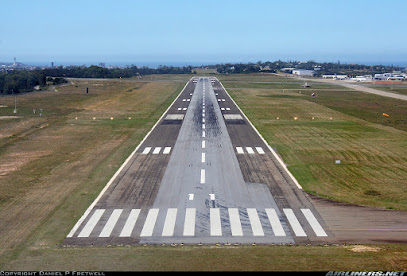
Border Aviation Club & Flight School operates as one of South Africa’s long‑standing aviation institutions, with roots tracing back to the 1940s. From its bases in East London, at East London Airport and Wings Park East London, and at Queenstown Airfield, the club delivers professional flight training alongside a welcoming aviation community. The organisation presents itself as a venue for both recreational flyers and aspiring aviation professionals, emphasising personalised instruction and a focus on individual learning needs.
The primary offering is professional flight training facilitated across three dedicated bases. Training is pitched to accommodate two broad paths: a hobby or recreational pursuit for those seeking to fly for leisure, and a career pathway for individuals pursuing aviation as a vocation. The training is described as tailored to the specific requirements of each student, ensuring that approaches, pacing, and objectives align with personal goals and capabilities. This flexibility is presented as a core strength, enabling learners to progress at a pace that suits their ambitions while gaining practical experience in a real operating environment.
As a club‑based operation, Border Aviation combines instructional expertise with access to a community atmosphere. The accompanying social and functional elements of a flying club are evident in the visible use of the club’s platforms, including social media channels that showcase events, training snippets, and student achievements. Visitor reviews portray a culture that values friendly, approachable staff, skilled instructors, and a supportive learning environment. Several indications in the feedback highlight positive experiences with reception, instructor professionalism, and the sense that the organisation genuinely cares about student development and safety.
Typical services implied by the site and its communications include:
- Professional flight training across multiple bases, with a focus on individual attention and customised training plans.
- Recreational flying opportunities for members who wish to enjoy flying along the coastline or to reach remote destinations with family and friends.
- A community and club atmosphere that supports learning, mentorship, and ongoing involvement with aviation activities and events.
The customer experience described by visitors emphasises accessibility and personal attention. Reviews frequently mention friendly staff, patient instructors, and an encouraging environment designed to help learners build confidence and skills. The club’s longevity and established reputation are referenced as indicators of reputable instruction and a stable, welcoming aviation community.
Operating hours and exact scheduling are not detailed on the public-facing materials, but the presence of a dedicated events calendar and the ongoing activity across social channels suggest regular training sessions and club events. The club’s regional focus is the Eastern Cape area, centred on East London and Queenstown, with services marketed toward both local aviators and visitors seeking aviation experiences in the region.
Practical tips for potential customers include planning visits to the East London facilities and Wings Park for hands‑on experience, or organising attendance at club events to better understand the community and training approach. Prospective students should note the importance of clear communication with the administration team, using the provided contact details (telephone and email) to request information about course starts, base locations, and progression options. Reviewing recent trainee feedback can offer insights into instructor styles and the level of personalised attention to be expected.
For those seeking an authentic aviation experience in the Eastern Cape, Border Aviation Club & Flight School offers a combination of formal flight instruction and a heritage‑rich club environment. The experience is portrayed as adaptable to various interests—whether the aim is to gain professional qualifications, pursue a lifelong hobby, or simply enjoy the adventure of flight along South Africa’s coastline and inland routes. The accessible setting and demonstrated commitment to student development position Border Aviation as a notable option within the regional aviation landscape.
- Main services offered: professional flight training across three bases; recreational flying opportunities; club‑based community and mentorship.
- Typical job/types: flight training for hobbyists and career aspirants within the aviation sector; general aviation activities linked to coastal and inland destinations.
- How requests usually work: contact via telephone or email to enquire about courses, schedules, and bases; sessions tailored to individual goals and progress; participation in club events and ongoing training opportunities.
Location and area served: Border Aviation Club operates in East London (East London Airport and Wings Park) and Queenstown Airfield, serving the Eastern Cape region and surrounding communities.
East London
Eastern Cape
South Africa
Sorry, no records were found. Please adjust your search criteria and try again.
Sorry, unable to load the Maps API.
Club Services in East London, Eastern Cape
East London, situated on the eastern coast of the Eastern Cape, offers a range of club facilities designed to cater to residents and visitors seeking leisure, social interaction, sport, and community events. The services provided by clubs in this region typically blend recreational activities with social spaces, creating venues that are suitable for families, professionals, and enthusiasts alike. The emphasis is often on accessible facilities, friendly approaches to membership, and programmes that reflect the local climate and culture.
Most clubs in East London deliver a core set of services centred on premises use, organised activities, and member engagement. Visitors can expect well‑maintained venues that may include a clubhouse or lounge area, a dining or bar facility, and outdoor spaces such as lawns or sports courts. The exact mix varies by club but commonly includes spaces for informal gatherings, meetings, and organised events. Security, safe access, and adequate lighting are important practical considerations for those planning an evening visit or late‑afternoon pursuit of a sport or hobby.
Typical offerings often include the following:
- Recreational facilities: access to common rooms, social lounges, and sometimes function spaces for private events, seminars, or celebrations.
- Sporting provisions: participation in club‑based activities such as bowls, tennis, cricket nets, or other local pastimes; some clubs may organise leagues or friendly fixtures for members.
- Dining and beverage services: on‑site catering, a licensed bar or refreshment area, and occasional specialised menus for events or social evenings.
- Social programmes: regular social evenings, quiz nights, live entertainment, and charity or community‑engagement events that foster networking and neighbourly ties.
- Family‑friendly activities: designated spaces and times for families, with programmes that can include children’s parties or supervised activities on weekends.
- Membership and access: a formal membership framework, with varying tiers or categories, rules for use of facilities, and clear guidance on guest access and booking procedures.
- Facilities management: routine maintenance of green spaces, court surfaces, and common areas; cleaning schedules; and visible safety and hygiene practices.
Customers can expect a practical and straightforward experience when engaging with Club services in East London. Typical processes involve joining or subscribing to access the facilities, followed by use during posted hours. Booking systems may be used for certain courts, rooms, or event spaces, and members are usually required to respect the club’s rules, dress codes, and conduct guidelines. It is common to encounter a reception or management desk that can provide information on upcoming events, membership queries, and guest arrangements. Local clubs often emphasize a welcoming atmosphere, ensuring that attendees feel comfortable whether visiting for a quick drink after work or participating in a day‑long sporting event.
Practical considerations include travel and parking arrangements, as East London’s coastal setting can influence peak times around weekends and public holidays. Accessibility features, such as ramps or accessible toilets, may vary between venues, so it is prudent to check in advance if specific accessibility needs exist. For those planning events, proximity to public transport and adequate on‑site parking can affect convenience and overall experience. While the particulars of each club differ, the overarching aim remains consistent: to provide a convenient, friendly, and well‑managed space for recreation, social interaction, and community connection in East London and the wider Eastern Cape region.