BRAKPAN AERO CLUB is a Training centre establishment in Brakpan, Gauteng, South Africa
Brakpan Aero Club: Training Centre Summary
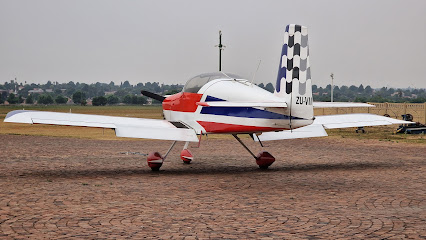
Brakpan Aero Club sits at the Brakpan-Benoni airfield in Gauteng, offering a historical and active hub for aviation education and activity since 1928. The organisation presents itself as a community-focused training centre within a well–established airfield that serves Ekurhuleni and the nearby metro area. The airfield’s central location—about 17 kilometres from OR Tambo International Airport—facilitates convenient access for visiting students, pilots in training, and industry professionals who are travelling to the East Rand region.
Within the Brakpan Aero Club, flight training is provided by multiple flight schools operating from the same airfield. Two named schools are highlighted on the club’s site: Airborne Aviation and 303 Squadron. Airborne Aviation is described as a long‑standing institution, originally founded in 1963, regarded as one of the oldest and most respected flying schools in the Southern Hemisphere. The school emphasises extensive experience in training pilots for both private and commercial aviation, along with management of equipment and facilities to support high training standards. The 303 Squadron is presented as offering a broader spectrum of training, including gyrocopters, microlight and light sport aircraft, along with civilian pilot licences (PPL, NPL, CPL, ATPL) for fixed‑wing training, and additional ratings such as multi‑engine and tail‐dragger. This pairing suggests a training ecosystem that caters to varying interests and career paths within aviation, from hobbyist flying to professional pilot preparation.
Operationally, the airfield supports a busy training environment with multiple flight schools conducting programmes and training activities. The site notes that three flight schools together train approximately 120 new pilots per year, indicating a sizeable and ongoing flow of student trainees. The clubhouse, refurbished in recent years, provides ancillary facilities such as a restaurant, lounge, pub and an outside braai area with views across the apron and runway. The surroundings are depicted as a family- and camaraderie‑oriented setting, making the airfield a destination where aviation training can be paired with leisure and social activity for students, instructors and visitors.
In addition to flight training, the Brakpan Aero Club supports aviation operations through technical and logistical services. The site references a team of qualified, certified technicians who are involved in maintenance and support, underscoring the importance of aircraft readiness to training outcomes. A dedicated fuel offering—Avgas and Jet A1—appears on the site, with specific contact details for fuel supply and a note on practical access, including a fuel bay schedule. This infrastructure supports both training activities and ongoing aircraft operations at the airfield. The collaboration with multiple aviation service providers within the same airfield suggests a training centre that emphasises practical, hands‑on experience and real‑world readiness for students and professional pilots alike.
The customer experience at Brakpan Aero Club is described through several on‑site features. The Runway Café, located at the main clubhouse, provides a convenient focal point for pre‑ or post‑flight refreshment, with a range of pub‑style food and event catering options. The café’s hours are detailed for a typical week, and the establishment is presented as a social hub for pilots, students and aviation enthusiasts. The airfield’s atmosphere is framed as welcoming to families and visitors who wish to observe activity or enjoy a meal while watching aircraft movements, reinforcing the sense of community that accompanies the training environment.
Facilities at the airfield include a well‑kept runway, with precise circuit and joining procedures published for visual flight rules (VFR) operations. The airfield information indicates a tarred runway measuring around 1,440 metres with 180‑metre stopways, plus a circuit altitude of 6,000 feet, with a typical eastward circuit pattern. The aviation community at Brakpan is portrayed as dynamic, with ongoing development such as new hangars and a focus on attracting visitors through events and ongoing upgrades to the airfield’s infrastructure.
Practical tips for customers planning a visit or a training engagement include checking fuel availability in advance, noting that the fuel bay operates Tuesday to Sunday and is closed on Mondays, and understanding the Runway Café hours for convenient dining. Visitors should be mindful of the airfield’s visual joining procedures and radio communications on the local frequency, 122.7, and to prepare for VFR arrival and departure practices. For those organising trainings or seeking information, the site offers direct contact channels through the Brakpan Aero Club’s address at 1 Van Dyk Road, Dalpark, Brakpan, and the listed phone number, along with social media links for updates and community engagement.
Brakpan
Gauteng
South Africa
Sorry, no records were found. Please adjust your search criteria and try again.
Sorry, unable to load the Maps API.
Training Centre Services in Brakpan, Gauteng
In Brakpan, Gauteng, training centres operate as hubs for practical learning and skills development across a range of sectors. Visitors may encounter environments designed to support both employability and personal progression, with programmes geared towards immediate workplace relevance and long-term career growth. The centres tend to emphasise practical training, transferable skills, and accessible delivery that accommodates diverse learners, from school leavers to seasoned professionals seeking upskilling opportunities.
Typical services offered by training centres in this area include short courses, modular programmes, and full qualifications in trades, technologies, business administration, and service industries. Learners often combine theory with hands-on practice in workshop settings, computer labs, and simulated business environments. Courses may cover foundational literacy and numeracy, digital literacy, project management basics, customer service, teamwork, and health and safety practices. In many instances, programmes are designed to align with industry needs and local job market opportunities, with an emphasis on practical outcomes such as improved productivity and enhanced employment prospects.
Potential students are encouraged to explore a range of pathways, from introductory courses that build confidence and core skills to more specialised tracks that develop technical competencies. Where available, centres may offer career guidance, assessment support, and opportunities to engage with employers through partnerships or placement programmes. A focus on lifelong learning means learners can often switch between part-time and full-time formats to suit personal circumstances, including work commitments and family responsibilities.
Practical considerations shape the experience of attending a training centre in Brakpan. The location within Gauteng makes access feasible for many commuters, with public transport links, parking provisions, and shuttle arrangements sometimes available. Centres increasingly prioritise accessible facilities, with well-lit classrooms, clear signage, and adaptable spaces that can accommodate different group sizes and instructional methods. Learners should check the availability of practical components, such as workshops or laboratories, to ensure the offered programmes meet their needs for real-world application.
Assessment methods are typically designed to reflect real-world tasks. This may include practical demonstrations, written assessments, projects, and periodic reviews of progress. Some programmes integrate continuous assessment alongside formal examinations, while others rely on portfolio-based evaluation or industry-standard practical tests. Certification, where provided, is usually aligned with national or regional frameworks and may be recognised by employers across Gauteng and beyond. When considering enrolment, prospective students should verify the scope of assessments and any required prerequisites before committing to a programme.
Facilities and resources vary by centre but commonly include computer laboratories with relevant software, workshop spaces equipped for trades training, and access to learning support services. The availability of language support, study aids, and tutoring can play a crucial role for learners returning to education after a gap. Centres often encourage a respectful learning environment, with clear policies on attendance, discipline, and welfare. Practical considerations such as timetabling, duration of courses, and flexibilities around assessment deadlines are important factors for those balancing education with other responsibilities.
For organisations seeking customised training solutions, many Brakpan centres offer customised programmes designed to address specific industry needs. These arrangements may involve tailoring content, scheduling sessions to accommodate shifts, and integrating practical assessments relevant to a particular workplace. While specifics vary, the overarching aim remains to deliver accessible, pragmatic learning that improves capability, confidence, and employability in the regional economy.
- Short courses and certificate programmes across trades, technology, business, and service sectors
- Adult education, literacy and digital literacy support
- Practical workshops, labs, and simulated work environments
- Career guidance, progression planning, and progression tracking
- Flexible delivery options, including part-time study and modular learning
In summary, training centres in Brakpan function as practical gateways to skills and knowledge that support local job opportunities and personal development. Learners should assess programme relevance, delivery mode, and support services to choose options that align with career objectives and lifestyle considerations.