Cairn UAS Division is a Aerospace company establishment in Hermanus, Western Cape, South Africa
Cairn UAS Division: Beyond Visual Line of Sight (BVLOS) Aerial Solutions
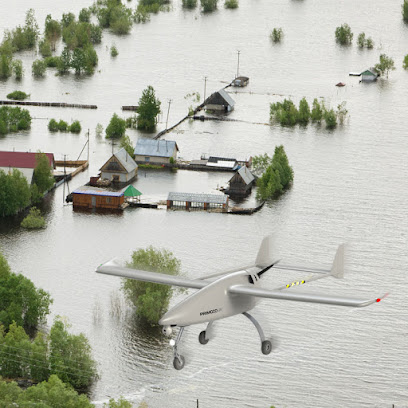
Cairn UAS Division specialises in delivering real-time data and imagery through BVLOS operations in complex and high‑risk environments. Drawing on decades of experience across aviation and information technology, the management team provides innovative, cost‑effective unmanned aerial systems (UAS) capabilities designed to meet diverse industrial needs. The organisation emphasises tailored services that address beyond visual range surveillance, monitoring and data collection, with operational reach across Africa and the Middle East.
As a provider of advanced aerial services, Cairn UAS Division positions itself to operate in urban, rural, and offshore settings, in daylight or darkness. The work is framed around capable handling of specialist or unconventional assignments in hostile or unforgiving theatres, with the stated ability to undertake tasks anywhere within the African continent or the Middle East. This breadth of operation reflects a focus on versatility and resilience in challenging environments.
Main services and capabilities
- <strongBVLOS and real‑time data delivery: Specialising in beyond visual line of sight operations, the division emphasises rapid data capture and dissemination under demanding conditions.
- <strongSurveillance, monitoring and data collection: A core offering across multiple environments, including coastal, offshore, rural and urban contexts.
- <strongMulti‑theatre proximity operations: Capability to perform in maritime coastlines, inland facilities, and complex geographies, supported by a team with military‑grade risk management experience.
- <strongIntegrated sensor suites: A field‑tested selection of aircraft and sensors sourced from vetted original equipment manufacturers (OEMs), chosen for reliability and task suitability.
- <strongTailored mission planning: Services are customised to specific sectors and operational objectives, ensuring alignment with client requirements and risk profiles.
Industries and typical job types
The division describes a broad spectrum of theatres and applications, with typical job types spanning:
- Coastal patrols, offshore inspections and security-related operations.
- Search & Rescue (including thermal imaging and infrared capabilities).
- Environmental management, surveillance, and multispectral surveying.
- Critical logistics, including medical supply chains, and assets protection.
- Industrial surveying (including LIDAR mapping) and utilities inspections.
- Disaster response, Geo surveying and volumetric surveys in conflict or disaster zones.
- Agricultural monitoring, crop health assessments and related aerial services.
Management and culture
The management team is described as a blend of ex‑military pilots, veteran IT engineers, and disaster management professionals. This mix informs a culture focused on task‑oriented risk management, aiming to deliver reliable, mission‑critical outcomes in challenging environments. Notable leadership roles include an accountably focused management structure and specialists in safety, quality and operations, each bringing extensive aviation and technical credentials to the organisation.
Operational footprint and capabilities
Operational theatres include urban, rural, offshore, and offshore‑adjacent environments, with a readiness to perform during both day and night operations. The diverse capability ensures that the fleet and sensor configurations can address a wide array of mission objectives, from multi‑spectral surveying to intensive security and emergency response tasks. The company emphasises practical field experience and a rigorous vetting process for equipment suppliers to ensure fit‑for‑purpose performance and value for money.
How requests typically work
Requests are framed around tailored service delivery, with emphasis on aligning technological capability and field operations to the client’s objectives. The portfolio highlights a catalogue of aircraft and sensor options from trusted OEMs, enabling scenario‑specific tool selection. Clients can expect a consultation‑led approach to define mission parameters, data deliverables and operational constraints, followed by execution of BVLOS tasks under appropriate regulatory and safety standards.
Practical tips for customers
- Clarify the mission objectives early, including data delivery formats and turnaround times for deliverables.
- Discuss site specifics, such as terrain, weather, and airspace considerations, to tailor sensor payloads and flight plans.
- Confirm BVLOS regulatory compliance and certification details relevant to the operation, including ROC licences and safety management approaches.
- Provide access to existing site maps or GIS data to streamline planning and reduce pre‑flight preparation time.
- Agree on data security and handling procedures for sensitive information gathered during missions.
Hours, location and reach
Operational capabilities span across Africa and the Middle East, with 24‑hour contact options available for urgent or time‑critical missions. The services are positioned to support both day and night operations, reflecting a readiness to respond to high‑priority scenarios at short notice. While the exact local address is not stated here, Cairn UAS Division expresses a clear regional reach that includes coastal, rural, industrial, and urban environments across multiple countries.
Notes for prospective clients
When engaging Cairn UAS Division, clients should expect a rigorous, risk‑aware approach backed by a team with varied aviation and IT expertise. The emphasis on tailored, field‑tested solutions aims to ensure the selected UAV systems and sensors are appropriate for the intended application, delivering reliable outcomes in complex environments.
Western Cape
South Africa
Sorry, no records were found. Please adjust your search criteria and try again.
Sorry, unable to load the Maps API.
Aerospace Services in Hermanus, Western Cape
In the coastal town of Hermanus, Western Cape, aerospace operations typically focus on a combination of maintenance, repair, component support, and engineering services tailored to light aircraft, general aviation, and regional airframes. Businesses in this sector commonly serve private owners, charter operators, and aviation professionals who require reliable, local access to technical expertise without lengthy travel to larger hubs. The services are shaped by a climate that is temperate but occasionally windy, and by the logistical realities of South Africa’s aviation infrastructure, including the need for regulatory compliance and dependable supply chains.
Customers can expect a professional approach to aircraft upkeep, with emphasis on safety, airworthiness, and adherence to baseline aviation standards. Work often proceeds through a structured sequence: initial assessment and fault diagnosis, planning of required maintenance or repairs, procurement of parts or components, execution of the necessary work, and post‑service testing and documentation. Local providers typically emphasise clear communication, transparent scheduling, and practical guidance on ongoing care between visits. For many operators, the value lies in the ability to access skilled technicians, on-site or nearby, without substantial downtime or complicated logistics.
Typical services offered by aerospace practitioners in Hermanus include the following. Operators are advised to verify any specific capability with individual providers, but the list reflects common market expectations in the region:
- Routine maintenance and inspections for light aircraft, including scheduled checks and system functionality verification.
- Repair and component replacement, covering airframe, avionics, propulsion, and controls where field expertise permits.
- Aircraft refurbishment and cosmetic work, such as interior upgrades, upholstery, and protective finishes.
- Avionics and instrumentation upgrades or retrofits, with emphasis on reliability and compliance with regulations for the operating environment.
- Engineering support and modification planning for custom configurations or mission-specific requirements.
- Pre-purchase evaluation services, including visual assessment, basic non-destructive checks, and condition reporting for prospective acquisitions.
- Technical assistance and on-site support for airfields or aerodromes within reasonable access, helping to minimise aircraft downtime.
- Calibration and testing services related to flight instruments, sensors, and electrical systems where available locally.
- Ground handling and ancillary services, including storage guidance, corrosion protection, and routine safety reviews for stored aircraft.
What customers can expect from a Hermanus‑based aerospace provider is a focus on practical problem‑solving, clear timelines, and documentation that supports ongoing airworthiness. Projects are often tailored to the customer’s operational needs, with an emphasis on local parts availability and responsive scheduling. Where necessary, technicians coordinate with regulatory authorities to ensure that all work complies with applicable aviation standards and reporting requirements, leaving operators with an up‑to‑date maintenance record and confidence in the aircraft’s performance between major service intervals.
Practical considerations include ensuring that facilities have appropriate workspace, secure storage for aircraft and components, and access to essential tools and diagnostic equipment. The maritime‑influenced climate of the Western Cape can affect corrosion protection strategies and material choices, so local providers frequently adopt maintenance practices that account for salt spray exposure and humidity. For operators, proximity to Hermanus’s airfields and transport links can translate into shorter mobilisation times for specialists and a more convenient pathway to routine or emergency support. Overall, aerospace services in Hermanus are characterised by an emphasis on reliability, safety, and pragmatic, customer‑facing service that supports daily operations and longer‑term airworthiness goals.