Cape Sky Adventures is a Aviation training institute establishment in Philadelphia, Western Cape, South Africa
Cape Sky Adventures: Microlight, Gyrocopter and Light Sport Aircraft Training in the Western Cape
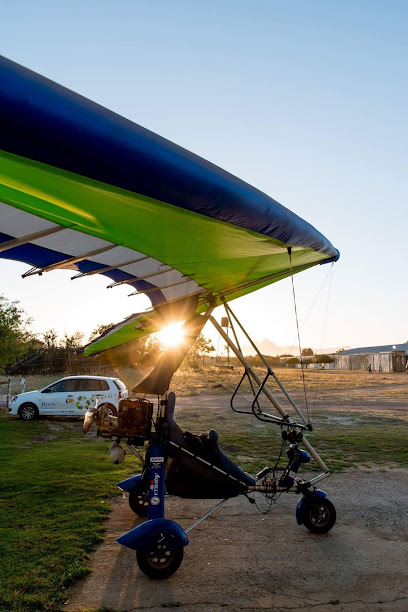
Cape Sky Adventures operates from Wintervogel Airfield, located in the Western Cape, offering a hands-on introduction to microlight aviation with a focus on safety and practical flight experience. The organisation positions itself as an accessible entry point for aspiring pilots, presenting a clear trajectory from introductory flights through to ongoing training towards a pilot’s licence. The service mix centres on experiential flying and structured instruction delivered by experienced instructors, aimed at both individuals seeking a one-off adventure and those contemplating a longer training journey.
Core training offerings cover three aircraft categories: microlight, gyrocopter, and light sport aircraft. Each programme is presented as a route to developing piloting skills, with emphasis on progressive learning, real-world flight familiarity, and the thrill of flight. The microlight courses form the cornerstone of the operation, described as a journey into aerial exploration where freedom meets the skies. For those seeking a different flavour of airborne experience, gyrocopter training introduces a blend of manoeuvrability and excitement, while light sport aircraft training broadens the options for pilots who prefer lighter, nimble aircraft. The terrain and environment around Cape Town provide a scenic backdrop for introductory and more advanced flights alike, enhancing the educational value of each session.
The customer experience at Cape Sky Adventures is reflected in enthusiastic visitor feedback, emphasising warmth, approachable instruction, and a family-friendly atmosphere. Reviews highlight a welcoming welcome by the team, with particular praise for the calm and patient conduct of the instructor, which helps to ease first-time flyers and younger participants through the pre-flight process. The pre-flight briefing is described as thorough yet unhurried, contributing to a sense of safety and confidence prior to take-off. Numerous reviewers mention the moment of ascent as a memorable highlight, underscoring the exhilaration and unique perspective afforded by microlight flying.
Across the evaluations, the service is consistently characterised as friendly, professional and highly engaging. The team’s ability to convey technical information in an accessible manner appears to be a common thread, with many visitors noting the instructor’s passion and expertise as a central element of a successful experience. The social warmth extended by Cape Sky Adventures, including clear direction and easy logistics, is repeatedly cited as contributing to return visits and strong recommendations.
In terms of outcomes, the experience is described as transformative and uplifting, with several reviewers emphasising the sense of freedom and the opportunity to view Cape Town and its surroundings from a unique aerial vantage point. The balance between safety, instruction and enjoyment is a recurring theme, reinforcing the impression that the programme is well-suited to beginners and those seeking a memorable day out as well as serious learners pursuing pilot certification pathways.
Visitors frequently note the value of the location, with the Wintervogel Airfield offering direct access to training areas, minimising transit time and maximising flight exposure. The practical implication is a potential cost saving per flight when compared with schools requiring additional flights to reach training zones. This logistical advantage is distilled in communications as a practical benefit for trainees who prefer a streamlined progression from ground briefings to airborne experiences.
Practical tips for customers planning a session:
- Plan for a clear sequence: start with an introductory flight or a longer engagement if a full training track is desired, as the instructors tailor sessions to individual learning pace.
- Allow time for a thorough pre-flight briefing and safety checks; this enhances confidence and engagement with the learning process.
- Be prepared for weather variability common to coastal and rural airfields in the Western Cape; flexible scheduling can help secure a favourable flying day.
- Consider the direct access advantage of Wintervogel Airfield, which reduces transit time to the training area and can contribute to overall flight time value.
- Take advantage of the opportunity to witness the aircraft in action as a way to deepen understanding of microlight, gyrocopter and light sport aircraft operations.
Business hours and precise availability are not specified publicly, but visitor reviews imply reliable, approachable scheduling and a focus on creating a welcoming environment for families and solo enthusiasts alike. The service area is centred on the Western Cape, with Wintervogel Airfield serving as the primary operational hub, and the broader region benefiting from scenic flying routes and the chance to explore microlight aviation close to Cape Town.
Philadelphia
Western Cape
South Africa
Sorry, no records were found. Please adjust your search criteria and try again.
Sorry, unable to load the Maps API.
Aviation Training Institute Services in Philadelphia, Western Cape
In Philadelphia, Western Cape, aviation training institutes provide a range of educational pathways designed to prepare individuals for roles in civil aviation, commercial flight, and aviation support services. The focus is on practical skill development, solid theoretical foundations, and an understanding of safety and regulatory requirements that underpin the industry in South Africa and beyond. Prospective students and professionals can expect programmes that blend classroom study with hands‑on experience, delivered by instructors with industry background and knowledge of local operating environments.
Typical services commonly offered include structured pilot training tracks, theory modules, flight simulation, and hands‑on instruction. Students may pursue entry‑level qualifications that cover the fundamentals of aviation, followed by more advanced courses aligned with recognised career objectives. Theory components commonly address aerodynamics, meteorology, navigation, flight regulations, and aviation physiology, while practical sessions focus on aircraft handling, pre‑flight checks, emergency procedures, and decision‑making under varying conditions. In addition, training providers often emphasise a strong safety culture and ongoing familiarisation with national aviation standards and procedures.
Flight training is frequently integrated with simulator experiences and supervised flight sorties. The availability of locally based flight schools or partnerships with nearby aerodromes can offer realistic flight exposure across different weather patterns and airspace scenarios. Assessments typically combine theoretical examinations, skill demonstrations, and continual review of progress to ensure readiness for progression to higher licences or ratings. For those pursuing maintenance or engineering tracks, programmes commonly cover engineering fundamentals, troubleshooting, component theory, and the practical skills needed for inspection and servicing of light aircraft and related systems.
Aviation training institutes in this region commonly provide additional services that support professional development and career progression. These may include safety management and risk assessment training, human factors education, and regulatory compliance awareness. Some providers also offer specialised courses such as drone operation, aviation security awareness, or cabin crew training, reflecting evolving industry needs and niche market opportunities. When partnered with industry bodies or accredited by relevant authorities, these courses can help learners build a credible foundation for employment or further study.
Prospective students should expect a clear progression framework, with guidance on choosing the appropriate pathway based on prior qualifications, career ambitions, and available time commitments. Institutes often offer flexible study options, including part‑time study or modular courses, to accommodate working professionals or those balancing other responsibilities. Support services may include access to learning resources, career information, and assistance with regulatory paperwork or licensing processes, subject to the policies of the individual provider and relevant authorities.
In practical terms, choosing an aviation training institute involves consideration of location, facilities, instructor qualifications, and the availability of appropriate training aircraft and simulators. Prospective learners should inquire about the calibre of the teaching staff, the structure of the curriculum, and the typical duration of each stage in the programme. Weather considerations in the Western Cape can influence training schedules and flight opportunities, so providers often plan for seasonal variations and provide contingency arrangements. Financial planning is another important aspect; many institutes offer guidance on funding options, scholarships, or payment plans, along with clarity about any associated costs for equipment, examinations, or licensing milestones.
Overall, aviation training institutes serving Philadelphia, Western Cape, aim to deliver practical, industry‑relevant education that prepares learners for responsible roles within the aviation sector. By combining theory with practical experience, aligning with regulatory expectations, and facilitating clear progression routes, these institutes help individuals build the competencies needed to pursue aviation careers with confidence.