Central Flying Academy is a Flight school establishment in Germiston, Gauteng, South Africa
Central Flying Academy — Flight School in Germiston, Gauteng
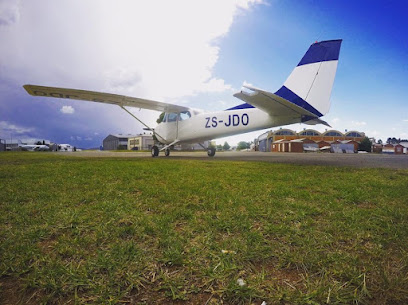
Situated in Germiston, Gauteng, Central Flying Academy (CFA) presents itself as a sizeable flight training organisation within Southern Africa. The school emphasises a broad spectrum of pilot education, offering courses aligned with Private Pilot Licence (PPL), Commercial Pilot Licence (CPL), and Airline Transport Pilot Licence (ATPL) requirements. The publicly stated ethos centres on transforming a long-held aspiration to fly into a structured, capable pathway, supported by an established fleet and instructional framework.
As a core component of its offering, CFA speaks to a comprehensive training pipeline for aspiring pilots. The organisation markets a progression from initial flight training through to advanced ratings and licences, with an emphasis on building both the technical competencies and the practical confidence needed for professional aviation. The curriculum appears designed to accommodate varied entry points, guiding students through escalating levels of flight instruction and examination readiness. In addition to standard academic and flight instruction, CFA describes engagement with the broader flying community through organised fly-ins and breakfast trips, as well as weekend excursions. These activities are presented as opportunities to gain flight hours in a community setting and to maintain ongoing engagement with aviation outside formal coursework.
The school presents itself as one of the larger flight training operations in the region, suggesting a robust fleet and facilities to support substantial training activity. Public materials reference a well-maintained fleet and a professional training environment, with instructors described as knowledgeable and focused on student needs. The emphasis on safety appears to be a recurring theme, with reviewers noting a strong safety culture and high standards of professional conduct among staff and instructors.
In terms of student experience, CFA appears to pair their aircraft operations with technologically aided training. Notably, the presence of a flight simulator – described by visitors as a high-quality FNPT II simulator – indicates a blend of hands-on aircraft practice with simulation-based proficiency development. This combination is suggested to enhance training efficiency, allow for flexible practice, and support conversion of theoretical knowledge into practical flight skills under simulated conditions. Across reviews, the overall impression is that instructors are approachable, professional, and invested in supporting pilots through the training journey. Several community voices highlight timely assistance, accommodating scheduling, and clear communication regarding expected costs and training progression.
From a customer-experience perspective, CFA appears to balance competitive pricing with transparent guidance on typical costs and course structure. Several reviewers emphasise that costs are disclosed and that students are informed about what is generally required to complete a licence, reducing unexpected financial pressures. The social fabric of CFA’s campus life, including the “fly with us” programme, suggests an active community where learners can gain practical flight hours outside formal coursework and build aviation-related networks.
Practical customer information gathered from the site and visitor feedback indicates:
- Main services offered: PPL, CPL, and ATPL training pathways; additional activities such as organised fly-ins, breakfast trips, and weekend excursions; well-equipped facilities with aircraft and a FNPT II simulator.
- Typical job types or industries associated with success: general aviation pilots; candidates advancing toward commercial aviation; potential feeders into airline or charter operations as licences are completed and hours accumulate.
- How requests usually work: prospective learners explore programme options on the CFA site, align their training goals with the relevant licence route, and participate in planned training activities and simulations as part of a structured programme. The school communicates through its pages and news sections about training opportunities and community events.
Practical tips for potential students include planning ahead for progression through PPL, CPL, and ATPL stages, and taking advantage of the FNPT II simulator to maximise practice opportunities before or between actual flight sessions. Considering the emphasis on safety and professional conduct, prospective learners may benefit from selecting a programme that integrates simulator work with real-world flight time, while budgeting for the disclosed costs and understanding the typical cost envelope for licence completion. For those looking to engage with the CFA community, taking part in organised fly-ins and breakfast trips could provide additional hands-on exposure and networking opportunities.
Centre-based considerations for visitors include the Germiston location's accessibility within Gauteng and its role as a notable aviation education hub in the region. Review phrases describe a mix of highly positive experiences—professional instructors, well-maintained aircraft and facilities, and a strong safety culture—alongside occasional feedback about reception experiences. Overall, CFA is presented as a well-established option for aspiring pilots seeking a structured, community-oriented flight training pathway.
Germiston
Gauteng
South Africa
Sorry, no records were found. Please adjust your search criteria and try again.
Sorry, unable to load the Maps API.
Flight School Services in Germiston, Gauteng
In Germiston, Gauteng, flight training organisations offer a range of programmes designed to introduce aspiring pilots to aviation and to develop professional skills for those pursuing a career in the skies. Located within reach of Johannesburg’s metropolitan aviation network, these operations typically provide structured instruction across introductory, private, commercial and specialised pilot training tracks. The focus is on safety, practical competence and a clear pathway from ground theory to hands‑on flight practice.
Core services commonly available include introductory flight experiences, ground school and flight instruction. Introductory lessons give potential students a flavour of flying, enabling them to assess personal interest and aptitude before committing to a full programme. Ground school covers subjects such as air law, meteorology, navigation, human performance and technical knowledge about aircraft systems. Flight instruction combines the practical, in‑air training with pre‑ and post‑flight briefings to reinforce understanding and safety procedures. For many learners, a gradual progression from local airspace familiarisation to more challenging routes follows a logical learning curve within the programme structure offered by the school.
Student pilots typically train using light aircraft operated at approved airfields or aerodromes in the region. Flight schools emphasise discipline, risk management, pre‑flight checks, and standard operating procedures. Instructors provide real‑time feedback, explain decision‑making processes, and help trainees build the confidence needed to manage unexpected events in the air. Students often record flight hours, milestones and assessment results to track progress toward recognised licensing or certification goals.
Many Germiston flight schools arrange practical training that includes ground-based simulations, navigation practice, instrument flight awareness, and basic aeroplane handling. Depending on the programme, learners may also gain exposure to cross‑country flying, radio phraseology, and the use of aviation charts. In addition to piloting skills, training can incorporate safety management practices, flight planning, fuel management, weather interpretation and post‑flight debriefs. Some courses may lead to group assessments or examinations conducted by regulatory authorities, while others are designed to prepare students for further study or entry‑level aviation roles.
Practical considerations play a significant role in choosing a flight school in Germiston. Proximity to home and access to a reputable training airfield are practical advantages. Applicants should expect to complete administrative tasks such as medical declarations, enrolment forms and the provision of appropriate identification documents. The cost of training, availability of aircraft, and flight hour requirements are important factors; however, price is usually contingent on the chosen licence or rating and the amount of flight time completed. Prospective students are advised to obtain a clear outline of what is included in the course fee, such as ground school materials, examinations, insurance, and any required equipment or learning aids.
Safety and regulatory compliance are central to every reputable flight school. In South Africa, flight training operates within the framework of the relevant aviation authority and recognised licensing pathways. While specific credentials or endorsements may vary, the overarching objective is to ensure trainees reach a demonstrable standard of proficiency before advancing to higher levels of responsibility. Learners should expect consistent assessments, periodic progress reviews, and opportunities to discuss career goals with instructors or course coordinators.
- Introductory trial flights and initial assessments
- Ground school covering theory and aviation regulations
- Hands‑on flight instruction with qualified instructors
- Progress tracking, assessments and milestone reporting
- Practical training aligned with licensing or rating goals
Overall, flight school services in Germiston are designed to provide a practical, safety‑driven pathway into aviation. By combining theory with hands‑on flight experience, learners can gain a realistic understanding of what a career in aviation entails, while developing the skills and confidence required to pursue further training or professional opportunities in South Africa’s vibrant aviation sector.