Classic Flying Collection is a Museum establishment in Springs, Gauteng, South Africa
Classic Flying Collection – Museum in Springs, Gauteng
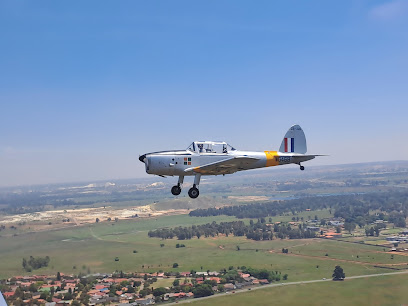
The Classic Flying Collection operates as a museum that brings together an engaging display of vintage aviation, classic automobiles and military memorabilia. Located in Springs, Gauteng, the collection presents a coherent narrative across multiple eras, allowing visitors to explore historic aircraft alongside nostalgic cars and artefacts related to military history. The combination of transport heritage and memorabilia is presented in a manner aimed at enthusiasts and casual visitors alike.
Core offerings centre on curated exhibits that cover the following themes:
- Vintage aircraft – a focal point of the collection, showcasing historic aeronautical artefacts and aircraft-inspired displays.
- Classic cars – a selection of automobiles from past decades, complemented by related ephemera and visual materials.
- Military memorabilia – artefacts and exhibits that illuminate historical military life and operations.
As a visitor experience, the collection operates as a space where artefacts are displayed to evoke memory and curiosity. The environment is described through social media content as a museum “alive with” aircraft, cars and memorabilia, suggesting an immersive, tribute-like experience rather than a purely static display.
The site is linked to a community of followers, indicating engagement with a broad audience who appreciate the vintage and historical themes presented. Visitor feedback references personal and memorable experiences, including reflections on attending events and commemorations, which implies the venue can function as a space for reflection as well as education.
Typical interactions for visitors involve viewing the exhibits, engaging with historical material, and experiencing the atmosphere created by the interwoven themes of flight, motoring history and military heritage. The combination of transport and artefacts invites a broad spectrum of interest areas, from aviation enthusiasts to car collectors and history buffs.
Overall, the Classic Flying Collection appears to prioritise a contemplative, educational experience within a specialised niche of historical transport and memorabilia. Its portrayal emphasises diversity across aircraft, automotive history and military artefacts, enabling visitors to appreciate the breadth of historical technology in a single location.
Practical tips for visitors
- Check the Facebook page for up-to-date information on opening hours and any special events, as formal hours may vary and can be announced there.
- Plan for a focused visit and allocate sufficient time to view multiple displays spanning aircraft, cars and memorabilia.
- Take note of any commemorative or educational programmes that may accompany exhibitions, which can enrich the experience.
- Respect the exhibits and follow any on-site guidelines to preserve artefacts for future visitors.
- Consider visiting during periods when the venue is likely to be less crowded if a quieter experience is preferred.
Location and accessibility: the museum is situated in Springs, a region within Gauteng, South Africa. The site serves local visitors as well as those exploring the wider Gauteng area who have an interest in historical aircraft, classic automobiles and military memorabilia.
Springs
Gauteng
South Africa
Sorry, no records were found. Please adjust your search criteria and try again.
Sorry, unable to load the Maps API.
Museum Services in Springs, Gauteng: An Overview for Visitors and Researchers
In Springs, a town with a rich industrial and social history in Gauteng, museum services are geared towards education, preservation and community engagement. Visitors can expect a range of offerings that illuminate the local heritage, contemporary culture and broader South African narratives. The typical experience combines curated displays, interpretive panels and specialized programmes designed to appeal to family groups, school parties and independent researchers alike.
Core services usually include curated exhibitions that trace the development of Springs and its surroundings. Exhibits may cover mining and manufacturing heritage, urban development, and the daily lives of residents through decades of change. Alongside permanent displays, temporary or rotating exhibitions provide fresh perspectives and opportunities to explore themed subjects, from local art to historical artefacts. Interpreting materials such as captions, maps and interactive displays enable visitors to engage at their own pace and build their understanding through context and storytelling.
Educational programmes form a central component of museum services. Schools frequently collaborate on guided tours, workshops and hands-on activities aligned with curriculum requirements. These programmes may cover local geography, social history, science and technology themes, offering both classroom-ready resources and on-site experiences. For adult learning, talks, lectures and curated tours sometimes feature experts, curators or guest speakers, enabling deeper exploration of exhibits and local archives.
Guided and self-guided experiences are commonly available. Trained staff or volunteers often lead focused tours that highlight notable artefacts, architectural features and the evolution of Springs as a modern town. For independent visitors, signage and informational panels provide self-discovery paths, supplemented by digital or tactile aids where available. Museum shops or souvenir corners may offer curated items connected to regional heritage, while designated spaces may host temporary displays or community projects.
Research and archival services, where present, support historians, students and genealogists. Access to local archives, photograph collections or reference materials allows verified exploration of Springs’ past. Assistance may be provided by information desks or archivists during designated hours, with guidelines on handling materials and requesting copies or reproductions. Where on-site facilities are limited, referrals to regional or national collections may be offered to support more in-depth study.
Community engagement and venue utilisation are typical features. Museums in Springs commonly partner with local schools, libraries, cultural organisations and municipal programmes to deliver inclusive activities. Special events, such as heritage days, temporary exhibitions or community-curated displays, foster local involvement and encourage reminiscence, dialogue and cross-cultural learning. Some venues also host private events, talks, or small-scale conferences, offering a memorable backdrop for celebrations or corporate gatherings while aligning with conservation and safety considerations.
Practical considerations for visitors include accessibility, opening hours and security. Venues typically publish practical information, including access arrangements for wheelchair users, parking facilities, and guidance on bringing bags or photography. It is prudent to verify current hours and any disruption due to maintenance or community events before travel. Visitors should note that some spaces prioritise artefact protection and may restrict flash photography, audiovisual recording or food and drink within exhibition areas to preserve displays.
In most Springs museums, a balanced approach governs the visitor experience: informative interpretation, heritage storytelling and opportunities for interaction, framed by reverence for conservation and scholarly access. For those seeking a concise overview of Springs’ past or a quiet space to reflect on local history, museum services offer structured routes through the town’s evolving identity, with flexibility to accommodate families, researchers and casual explorers alike.