Comefly! Microlight Flights is a Airstrip establishment in KwaDukuza, KwaZulu-Natal, South Africa
Comefly! Microlight Flights — Airstrip, KwaDukuza
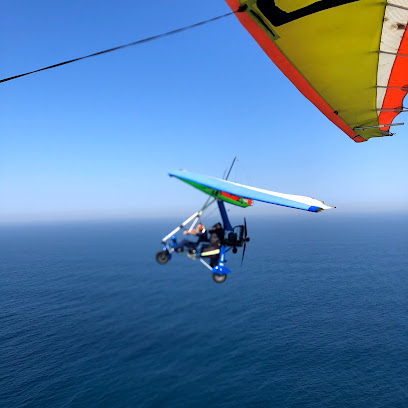
Comefly! Microlight Flights operates as a microlight aviation service based in the Ballito area of KwaZulu-Natal, South Africa, serving visitors to KwaDukuza and the surrounding coast. The core offering centres on microlight flight experiences and pilot training, positioned as an accessible entry route into aviation or a high-spirited recreational activity with low barriers to participation. The operation is described as a microlight pilot training centre with RAA/0108 designation, emphasising weight-shift aircraft and light-sport aircraft (LSA) training. The training content is framed as a practical, compact pathway, with completion possible within roughly a month for those pursuing flight education.
The primary services fall into two broad categories: flight experiences and pilot training. For visitors seeking an unforgettable aerial perspective, Comefly! provides scenic microlight flights designed to showcase coastal landscapes and marine life from above. The training arm offers instruction in weight-shift microlight piloting and LSA operations, with an emphasis on safety, fundamentals, and hands-on piloting under supervision. The visitor-facing materials describe microlighting as an affordable aviation option and a worthy starting point for a potential aviation career or simply for recreational enjoyment.
In terms of typical engagements, the service model appears to combine aircraft-oriented experiences with structured training pathways. Flight experiences are typically delivered as guided flights over the local coastline and marine environments, providing participants with expansive views and opportunities to observe sea life from vantage points not available to ground observers. For those exploring aviation more seriously, training sessions are advertised as a month-long pathway to microlight piloting, covering weight-shift controls and LSA concepts, with contact information provided for further enquiry and scheduling.
Practical arrangements are indicated as straightforward: inquiries can be sent to the registered contact address, and prospective pilots are encouraged to learn about the training options available in the Ballito region. The business operates within the KwaZulu-Natal coastal corridor, with a focus on Ballito and the broader KwaDukuza area as the operational and service catchment. The offerings are framed for a diverse audience—tourists seeking a memorable aerial experience, aviation enthusiasts exploring a potential future in microlighting, and recreational flyers pursuing an affordable introduction to flight.
Customer feedback reflects a strong impression of the experience and safety emphasis. Positive reviews frequently highlight breathtaking views, the chance to spot marine life such as dolphins from the air, and the professionalism of the team. Visitors often describe the flights as unforgettable and stress the safety-first approach and clear explanations provided by staff. The sentiment from respondents who praise the operation emphasises well-managed experiences, helpful guidance, and a sense of reassurance during the flight journey.
However, independent feedback also reveals occasional inconsistencies in service delivery. A small number of comments note delays or miscommunications, with some reviewers recounting experiences of late arrivals or misunderstandings about appointment timings. These contrasts underscore the importance of confirming schedules in advance and arriving prepared for the day’s itinerary, particularly in outdoor aviation operations where weather and logistics can influence timings. Overall, the majority of reviews depict Comefly! as a compelling option for first-time flyers and holidaymakers seeking a memorable coastal flight experience, or for individuals exploring microlight training opportunities in the region.
Practical tips for customers include checking weather forecasts for coastal visibility, arriving ahead of the scheduled flight time, and confirming the exact meeting point in Ballito or the Ballito-area airstrip. Prospective trainees should prepare for introductory conversations about microlight piloting, weight-shift controls, and training commitments, and should inquire about the credentialing and safety standards in place. For those seeking the training route, understanding the typical duration, what is included in the training syllabus, and the level of hands-on flight time can help set clear expectations.
Best times to visit are influenced by coastal weather patterns, which can affect flight operations. The Ballito region, including KwaDukuza, is served by a coastal climate that can offer clear flying conditions on many days, particularly during settled weather. When planning a trip, it is useful to confirm the day’s operational status and any seasonal considerations that could impact flight availability or training sessions. The airstrip location and surrounding scenery are highlighted as central to the experience, with the coastline and marine life providing a distinctive backdrop for aerial viewing.
KwaDukuza
KwaZulu-Natal
South Africa
Sorry, no records were found. Please adjust your search criteria and try again.
Sorry, unable to load the Maps API.
Airstrip Services in KwaDukuza, KwaZulu-Natal
Airstrips in KwaDukuza, KwaZulu-Natal, typically serve as modest aviation hubs that accommodate light aircraft and small aircraft operations within a regional context. They function as access points for residents and visitors alike, offering a practical gateway to the surrounding coastline and rural hinterland. The facilities are usually designed to support a range of aviation activities while prioritising safety, efficiency, and local connectivity.
A central feature of such airstrips is the runway environment, which may range from compact strips to more developed airfields with designated taxiways and apron areas. The surface condition and maintenance of the runway influence how often operations can occur, particularly in adverse weather or after heavy rainfall. Airstrip users should anticipate routine checks and occasional delays associated with weather patterns commonly experienced in the region, including coastal humidity, continental air masses, and seasonal wind shifts.
Typical services and operations associated with airstrips in this area include:
- General aviation access, enabling private pilots and small charter operators to reach KwaZulu-Natal communities quickly.
- Fuel services and storage arrangements for light aircraft, subject to regulatory compliance and safety standards.
- Hangar and parking facilities for transient and resident aircraft, with attention to secure fencing and lighting for after-dark operations.
- Aircraft maintenance and basic technical support, including routine inspections, tyre replacements, and ground-handling assistance where available.
- Flight training and familiarisation flights for new pilots, often conducted through nearby aviation schools or independent instructors.
- Aerial photography, surveying, and small-craft charter services for corporate clients, developers, and tourism operators seeking an aerial perspective of the region.
- Emergency medical and humanitarian flight capabilities, occasionally coordinated with regional health services to provide rapid transport when required.
- Ground liaison and air traffic coordination at busier periods, ensuring safe separation from other airspace users and compliance with local aviation rules.
What customers can expect when engaging with airstrip services in KwaDukuza includes a practical emphasis on safety, clear operational limits, and a straightforward process for arranging visits or flights. Prospective passengers or operators should anticipate obtaining applicable clearances, briefing on weather conditions, and confirmation of available services prior to arrival. Communication is typically direct between aircraft operators and the airstrip management or the local aviation service providers, with mutual regard for efficient turnaround times and clear guidance on landing and take-off procedures.
Practical considerations cover access and security, with many airstrips accounting for controlled entry points, wildlife exposure, and the need to preserve quiet and environmental standards within the neighbourhood. Accessibility for refuelling and maintenance depends on the proximity to supply networks and the readiness of on-site staff or contractors. Operational hours can vary by season and local demand, and some periods may see reduced activity at dawn or dusk because of lighting restrictions or wildlife sensitivity.
For visitors and business travellers, the surrounding area of KwaDukuza provides opportunities to access coastal attractions, markets, and regional tourism experiences. When planning a visit to an airstrip in this area, it is sensible to verify ground transport arrangements, local weather patterns, and any permitting requirements that relate to aeronautical activities. In all cases, the emphasis remains on dependable, well-regulated aviation practices that support regional mobility while honouring safety, community considerations, and the natural environment of KwaZulu-Natal.