Deal Alliance Aviation Training is a Aviation training institute establishment in Cape Town, Western Cape, South Africa
Deal Alliance Aviation Training: Aviation Training Institute in Cape Town
Deal Alliance Aviation Training stands as South Africa’s longest-established aviation training school, centred on theoretical learning for aspiring and current pilots. Located at Cape Town International Airport, the facility benefits from proximity to workplaces and daily operations, while arrangements can be made to deliver bespoke, on-site training at a client’s premises if preferred. The organisation emphasises facilitator-led engagement, with a significant portion of courses delivered online where appropriate, ensuring interaction and practical application remain at the forefront of learning.
The core offering spans the theoretical training required for private, commercial and airline pilots, with a strong focus on non-technical and soft skills essential for professional aviation. Courses are regularly updated to reflect evolving aviation technology and regulatory standards, aligning with SA CAA certificated programmes. The training philosophy highlights the value of real-time interaction and shared experiences, complementing online delivery to maintain a collaborative learning environment.
In addition to standard ground schooling, Deal Alliance is noted for presenting language and proficiency training within an aviation context. The organisation is recognised as an early accredited Aviation Language Proficiency (LPR) test centre, with language training delivered by pilots who are CELTA-qualified, providing immersive English language improvement within aviation scenarios.
Typical ground training covers a wide range of SA CAA certificated aviation courses, including:
- CPL Ground School (Commercial Pilot License) and Instrument Rating Ground School, available as scheduled programmes or individual private tuition.
- Crew Resource Management (CRM) – Initial and refresher courses, with offerings that can be conducted virtually (Mondays) or in-person at the Cape Town facility or client premises.
- Safety Management Systems (SMS) – Comprehensive courses addressing safety governance and risk management; available in multiple formats and frequently praised in client feedback.
- Safety and Emergency Procedure Training (SEPT) for flight deck crews, focusing on passenger safety in the absence of cabin crew.
- GNSS / PBN Theory – Coverage of Global Navigation Satellite Systems, RNAV and RNP concepts essential for modern navigation and instrument procedures.
- RVSM Theory – Understanding Reduced Vertical Separation Minima and its operational implications.
- Restricted Radio Licence – Preparation for the SA CAA theoretical examination, followed by assistance with the practical examination through an approved examiner.
- Train the Trainer – A four-day programme designed to equip candidates to design and deliver aviation training, suitable for industry audiences.
Other specialised offerings include Aviation English LPR testing and bespoke language training to enhance English proficiency in aviation contexts. The courses are designed to be practical and relevant to a wide range of pilot operations, with continual development of new topics in step with current aviation requirements.
Customer experience, as reflected in visitor feedback, emphasises clear, well-structured instruction and an engaging, practical approach. Reviewers frequently highlight the instructor’s ability to tailor content to real-world applications, maintain high professional standards, and provide substantial supplementary materials. The facility’s teaching team, including named instructors and moderators, is repeatedly praised for accessibility, warmth and dedication to student success.
Typical process for engaging with Deal Alliance involves reviewing the enrolment materials online, selecting the desired course, and completing the enrolment form. Given the range of courses, prospective students can opt for either scheduled classes or bespoke arrangements, with the option for virtual attendance where feasible. The organisation’s reach extends beyond South Africa, offering training to aviation schools and corporate operators domestically and across the continent, reflecting a broader regional footprint.
Practical Tips for Customers
- Check course delivery options: many courses are facilitator-led and available virtually or on-site; confirm the format that best suits scheduling and learning style.
- Consider on-site training if access to a client’s premises would improve logistics or alignment with daily operations.
- For language-focused training, inquire about the Aviation English LPR services and CELTA-qualified instructors to maximise immersion and language competence.
- Review the CRM and SMS course offerings to prioritise practical risk management and operational safety skills relevant to specific roles or aircraft types.
- Leverage the enrolment form and course pages to plan ahead, particularly for multi-day programmes such as SMS, CRM, or Restricted Radio.
Location and Reach
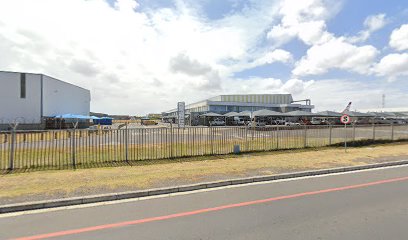
The training facility is situated at Cape Town International Airport, Western Cape, South Africa. In addition to services for private and commercial pilots, Deal Alliance provides aviation training for individual learners, as well as Commercial and Corporate aviation companies both within South Africa and across the African continent.
Business hours are not explicitly stated on the public pages; however, the CRM and other courses are described as available in virtual formats on a regular cadence, with in-person sessions offered at the Signature Flight Support facility as requested by clients.
Cape Town
Western Cape
South Africa
Sorry, no records were found. Please adjust your search criteria and try again.
Sorry, unable to load the Maps API.
Aviation Training Institute Services in Cape Town, Western Cape
Aviation training institutes in Cape Town, Western Cape, deliver a range of programmes designed to prepare individuals for varied roles within the aviation industry. These institutions typically offer structured pathways that combine theoretical instruction with practical experience, grounded in local regulatory requirements and industry best practices. Learners may be drawn to the region for its proximity to major airports, diverse weather conditions, and access to experiential learning opportunities in a coastal, metropolitan context.
Core offerings commonly encompass pilot training, aviation maintenance education, air traffic control studies, and ground handling or cabin crew programmes. Prospective pilots often engage in a progression from theory-based courses to flight instruction, subject to regulatory authorisations and flight duty regulations. Aircraft maintenance courses cover a spectrum from introductory theory to hands-on mechanical and electrical system training, with emphasis placed on safety protocols, inspection routines, and component knowledge. For those pursuing air traffic management, programmes emphasise navigation, radiotelephony, meteorology, and procedural discipline to support efficient airspace utilisation.
Ground operations and aviation resource management form another foundational strand. These programmes address the practicalities of airport logistics, baggage handling, aircraft marshalling, and customer service within an aviation environment. Cabin crew and in-flight service courses focus on safety procedures, passenger care, regulatory compliance, and the management of in-flight scenarios. A emphasised feature in many Cape Town-based institutes is the alignment of coursework with South African Civil Aviation Authority (SACAA) standards, where applicable, and with international aviation education norms for recognised qualifications.
In addition to core curricula, institutes often provide specialised short courses and workshops. These may cover topics such as emergency procedures, aviation safety, human factors in aviation, aeronautical knowledge, and airport operations security. Some programmes integrate simulator sessions that emulate cockpit procedures, air traffic control communications, or cabin crew emergency drills. Although simulators vary by facility, the objective remains consistent: to reinforce practical decision-making and procedural familiarity in a controlled environment before hands-on exposure to real aircraft or airport settings.
Practical considerations for learners include access to certified instructors, well-equipped classrooms, and maintenance facilities or partnerships with local training aircraft providers. The duration of courses ranges from intensive, modular formats to longer diploma-style programmes, with progression routes that may lead to further qualifications or licensing prerequisites. Safety, regulatory compliance, and ongoing assessment are central components of the learning journey, with regular evaluations designed to ensure knowledge retention, technical competence, and professional conduct.
Facilities and location are practical factors in Cape Town. Training institutes typically situate near major transport hubs or aviation precincts to facilitate student attendance, access to real-world environments, and visibility within the regional aviation sector. Learners should consider the availability of flight cadet programmes, the range of aircraft types under instruction, and the breadth of supportive services such as career guidance, internship placements, and safe-conduct towards practical placements in aviation operations.
From the student’s perspective, the path through aviation training in Cape Town generally involves a combination of classroom study, simulator work, and supervised hands-on practice. Each step aims to build competency, confidence, and a professional attitude aligned with industry expectations. While specific offerings may vary between institutes, the typical model emphasises structured curriculum progression, regulatory alignment, and a practical readiness to participate in the aviation sector within South Africa and beyond.
Common programme components
- Foundational aviation knowledge and safety frameworks
- Regulatory alignment and licensing prerequisites
- Simulator and practical flight or maintenance sessions
- Flight planning, navigation, and communication training
- Specialised streams such as maintenance, air traffic services, or cabin crew
Overall, aviation training institutes in Cape Town deliver an education-focused environment that prepares learners for various aviation careers through a balanced mix of theory, practical exercises, and compliance with industry standards. Prospective students can anticipate a pathway that emphasises safety, professional development, and opportunities for practical exposure within South Africa’s dynamic Western Cape aviation landscape.