Ditsong Pioneer Museum is a Museum establishment in Pretoria, Gauteng, South Africa
Pioneer Museum, Pretoria: Services, Experience and Practical Tips
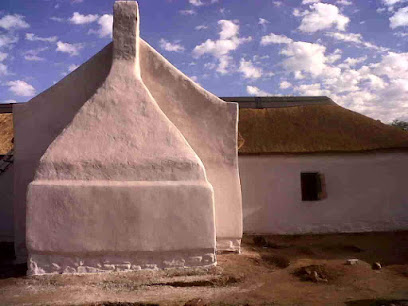
Situated on Keuning Drive in the Silverton neighbourhood of Pretoria, the Pioneer Museum presents a tangible glimpse into 19th-century rural life in South Africa. The site complements the adjacent 1848 house, offering visitors a curated experience of the pioneer era against the backdrop of Hartebeestpoort farm. The museum’s buildings are described as traditional and rural in character, featuring clay walls, a thatched roof and earthen floors, with a surrounding herb and vegetable garden, orchard, furnished wagon house and vineyard. The presentation relies on guides dressed in period clothing to convey the daily rhythms and stories of the era, particularly for adult visitors.
Opening hours are published as daily from 07:30 to 16:00, with exceptions on Christmas Day and Good Friday. This schedule positions the Pioneer Museum as a daytime cultural stop, suitable for family trips, school groups and individuals seeking an experiential glimpse into South Africa’s pioneer past. Parking is stated as free, which can simplify access for groups and casual visitors alike.
The visitor offering centres on a living history approach. The 19th-century house and its environs serve as a focal point, supported by a traditional herb and vegetable garden, an orchard, a wagon house, and a vineyard that help narrate the era’s lifestyle. The on-site interpretation is delivered by trained guides who bring the period to life, with specific emphasis on the Hartebeestpoort farm context and the broader pioneer years in the region. The experience is described as being complemented by opportunities to sit and reflect over refreshments, such as a cup of coffee and homemade bread, suggesting a welcoming, relaxed atmosphere in addition to the historical storytelling.
Educational programming is highlighted, including curriculum-based initiatives. This indicates the site’s engagement with schools and educators, with structured learning outside the traditional museum display spaces. The grounds accommodate leisure activities such as picnics and braais, and visitors are invited to use the facilities for family celebrations or work-related functions. The site operates as more than a museum; it also functions as a venue for private events, with a variety of spaces available for hire and a clear set of capacity guidelines and rules for gatherings. The Hall and adjacent lapas can be booked for events, with specific time restrictions on weekends (12:00–24:00) and considerations about parking, bring-your-own-chairs and reinforcement of deposit payments to secure bookings. The estate supports multiple configurations for assemblies, including a general hall capable of accommodating up to 180 people, and additional outdoor spaces (lapa areas) for smaller groups or specific religious gatherings.
Photography and filming are offered at separate tariff rates, reflecting the site’s utilisation by commercial and private capture. The current tariff framework includes hourly rates for photographers, student photographers, and trainees, as well as a daily package for larger productions. These fees sit alongside the standard admission and group pricing structures, underscoring the museum’s mixed-use character as both a cultural site and a venue for media activity.
Admission is structured with several price points, including adult, child, learner, and educator categories, with educational groups receiving some specific provisions for guided tours. A note from the site warns visitors to secure valuables due to the museum not accepting liability for loss, a standard reminder for venues with outdoor and multi-use spaces. While rates vary by category, the inclusion of guided tours for learners and educators highlights an emphasis on educational value alongside the broader visitor experience.
Visitor feedback on the Pioneer Museum’s broader network of DITSONG museums points to generally positive experiences around welcoming staff, picnic areas, and evolving exhibits, with references to improvements and updates to the displays over time. Some reviews also flag variability in service and maintenance at times, suggesting that the visitor experience can differ by visit and by activity. Overall, the Pioneer Museum sits within a family-friendly, historically rich network that emphasises outdoor space, hands-on interpretation, and educational outreach.
Practical tips for customers include planning for a daytime visit during standard hours, exploring the grounds and garden areas, and considering a guided tour to enrich the historical context. If organising an event, early contact and deposits are advised to secure the preferred hall or lapa arrangements and to understand the parking and equipment policies. For those combining a cultural excursion with a picnic, the site’s facilities support a relaxed, social visit alongside the educational narratives on display.
Location and accessibility notes indicate the museum serves the Pretoria area, with infrastructure suitable for school groups and local families seeking a day-out immersed in historical life. Visitors from the wider Gauteng region may also consider the Pioneer Museum as part of a broader circuit of DITSONG museums, each offering distinct collections across natural history, culture, archaeology and military history.
Pretoria
Gauteng
South Africa
Sorry, no records were found. Please adjust your search criteria and try again.
Sorry, unable to load the Maps API.
Museum Services in Pretoria, Gauteng
In Pretoria, Gauteng, museum services are focused on presenting historical, cultural and scientific narratives to a diverse local and visiting audience. These institutions typically offer a range of core activities designed to inform, educate and inspire, while also serving as community hubs for discussion, reflection and learning. Visitors can expect a balance of engaging exhibitions, specialised programmes and practical facilities that support lifelong learning and tourism alike.
Most museums in Pretoria provide several standard service offerings. Curatorial units organise and interpret collections to create coherent displays that tell stories about the region, its people and its natural environment. Temporary exhibitions rotate to provide fresh perspectives and maintain public interest, often complemented by catalogue materials and online presence for those seeking deeper study. Guided or self-guided tours are commonly available, with trained guides offering context on artefacts, timelines and significance, and with options for accessibility adaptations where required.
Education programmes form a central component of museum activity. School groups and adult learners may participate in structured workshops, hands-on activities, and classroom-ready resources designed to align with curriculum aims. Special programmes for families, teenagers and communities help broaden engagement and foster a sense of place. In Pretoria, these offerings are often presented in collaboration with teachers, researchers and local cultural organisations to reflect the city’s multilingual and multicultural landscape.
Beyond exhibitions and education, many Pretoria museums provide facilities and services that support broader access to culture. Public programmes commonly include talks, lectures, film screenings, book launches and curated events that explore history, science, heritage and anthropology. Some institutions host temporary or permanent showcases that relate to the region’s significant events, architectural heritage and palaeontological or natural history discoveries. For researchers and scholars, access to reference collections, conservation laboratories and study rooms may be available by appointment or during designated hours, subject to relevant policies.
Practical considerations for visitors include opening hours, ticketing arrangements and directions to the venue. While most sites offer clearly signposted entrances and on-site staff to assist visitors, it is sensible to verify hours and any seasonal changes in advance. Public transport links and safe parking are important factors in Pretoria, a city where accessibility can differ between districts and suburbs. Facilities such as cafés, gift shops and cloakrooms are commonly available, though services may vary between venues. Some museums also provide accessibility features, including ramps, guided assistance and information materials in multiple languages to reflect the city’s linguistic diversity.
Security and conservation are priorities in Pretoria’s museum sector. Artefacts and specimens are handled with professional care, and environmental controls are maintained to safeguard delicate material. Visitors are encouraged to respect guidelines for photography, handling restrictions and no-touch displays where applicable. While the focus remains on education and enjoyment, visitors should anticipate standard security measures and clear signage to ensure a safe and orderly experience.
- Exhibitions and temporary displays
- Guided and self-guided tours
- Educational programmes for schools and communities
- Public lectures, events and cultural programmes
- Research access to collections and study rooms
- Accessibility and language support
Overall, museum services in Pretoria, Gauteng, blend interpretation with community engagement, offering residents and visitors opportunities to explore the country’s rich heritage in a welcoming and well-managed environment. Prospective visitors are advised to plan ahead, consider transport and accessibility needs, and enjoy the diverse experiences that Pretoria’s museums have to offer.