Drakensberg Soaring Club is a Aeroclub establishment in Underberg, KwaZulu-Natal, South Africa
Drakensberg Soaring Club – Aeroclub, Underberg, KwaZulu-Natal
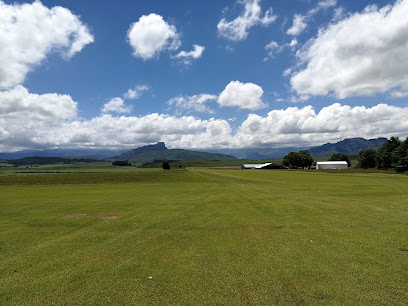
The Drakensberg Soaring Club is a gliding facility located eight kilometres outside the town of Underberg in KwaZulu-Natal, South Africa. Known locally as “Utopia Base” due to its site on the farm Utopia, the club occupies a mountain-fringed setting that offers notable aviation and scenery experiences. The airfield features two grass strip runways, designated 14/32 and 05/23, which are regularly mowed to a high standard, resembling the upkeep of a well-maintained golf course. The club operates practical glider activities with a focus on community involvement and sport promotion rather than large-scale commercial operations.
Operationally, the club relies on winch launching as the primary method for launch, with occasional aerotow available when required. This combination supports a range of training and recreational flights, aligning with the club’s emphasis on instruction and flight experience. The glider fleet includes two-seat trainers, supported by five instructors, enabling structured dual instruction and guided flights for visitors and members alike.
Visitors are welcome to participate in short Air Experience Flights (AEFs) in one of the club’s two-seat gliders. These experiences are conducted by an experienced pilot who holds the necessary clearances. A key precaution is the requirement that an indemnity form be signed and presented to the responsible person at the club prior to any Air Experience Flight. This process underlines the club’s safety-first approach while enabling newcomers to enjoy the sport in a controlled environment.
The club’s fleet and facilities are complemented by a fully equipped clubhouse. For those seeking longer visits or a more immersive stay, the club provides accommodation and practical amenities such as a kitchen, fridges, deep freezers, and a washing machine. Sleeping arrangements include an upstairs dormitory with capacity for eight people and two additional upstairs rooms, each accommodating two guests. This makes it possible for visitors to extend their stay to several days and engage more deeply with the local gliding community.
Directions to the airfield are straightforward for travellers approaching from Howick via the R617. After passing through Underberg, a right turn onto Bushman’s Neck Road leads to a further six kilometres to the D1, where a Drakensberg Soaring Club sign indicates a left turn and a further two kilometres to the gate. Prospective visitors are advised to arrange ahead of arrival since the facilities are unlocked only when staff or volunteers are present. The site provides GPS coordinates for precise location identification: S 29deg 48' 42" E 29deg 23' 51".
The club lists two main gliders in its operational profile: the Grob G103 Twin Astir, a two-seat trainer with a 17.5-metre wingspan and a maximum takeoff weight of 1,370 pounds, and the Schleicher ASK-13, another two-seat trainer with a 16.0-metre wingspan and a maximum gross weight of 1,060 pounds. These aircraft configurations support dual instruction, cross-country practice, and introductory flights, contributing to a versatile training environment for aspiring glider pilots.
Feedback from visitors highlights the setting and atmosphere. Reviews consistently note the dramatic mountain scenery and the renowned Drakensberg backdrop viewed from the air, complemented by a friendly, welcoming club environment. The accommodation and the mountain views receive particular praise, with several accounts mentioning positive experiences of overnight stays and weekend gliding opportunities. The camaraderie and enjoyment of evenings at the club are frequently cited, along with mentions of “great bunch of people” and the value of Pax flights during certain weekends, underscoring the club’s community-oriented character.
For those planning a visit, practical tips include arriving prepared for a potential walk-through of safety documentation and acknowledging that access to facilities hinges on prior arrangements. The location serves visitors primarily within KwaZulu-Natal and the surrounding regions, with a focus on experiential gliding and aviation education in a scenic mountain environment.
- Main services offered: gliding instruction, two-seat training, Air Experience Flights for visitors, winch launching with occasional aerotow, and a fully equipped clubhouse with overnight accommodation.
- Typical flight activities: instruction in two-seat gliders, short experience flights, and recreational gliding in a mountainous setting.
- How requests usually work: interested individuals arrange an indemnity form and book a visit or air experience through the club; arrivals should be scheduled in advance due to locked facilities when staff are absent.
- Practical tips: bring appropriate clothing for mountain weather; confirm arrangements prior to arrival; be prepared for a rural, tranquil environment with emphasis on safety and community hospitality.
- Hours and best time to visit: not explicitly stated; visitors should coordinate timing with club contacts and plan around weather and staffing for a smooth experience.
- Location: eight kilometres outside Underberg, on the farm Utopia; GPS coordinates provided; directions via R617 from Howick and Bushman’s Neck Road route.
Underberg
KwaZulu-Natal
South Africa
Sorry, no records were found. Please adjust your search criteria and try again.
Sorry, unable to load the Maps API.
Aeroclub Services in Underberg, KwaZulu-Natal
In Underberg, a town nestled in the KwaZulu-Natal midlands, aeroclubs provide a practical gateway to light aviation for residents and visitors. These clubs typically offer a range of services centred on safe, supervised flying, community access to aircraft, and opportunities to learn more about flight operations. The focus is on affordable access to air training and recreational flying within a supportive club framework.
Flight training and education form a core component of many aeroclub offerings. Prospective pilots often begin with introductory flights and may progress to formal ground school and in-air instruction. Training is generally conducted by experienced instructors who emphasise fundamental airmanship, navigation, meteorology, air law, and emergency procedures. Students can expect to work through theory and practical sessions, with progress monitored against recognised milestones. For those not seeking full licences, the club may provide introductory experiences or specialised modules that cover basic aeronautical capabilities and safety practices.
Aircraft hire and syndicate arrangements are common features, enabling members to access light aircraft, microlights, or other eligible types on a pay-per-hour or shared-ownership basis. The charter model facilitates occasional flying without the commitment of full ownership, while syndicates offer a compromise for regular flyers who prefer shared costs and shared responsibility. Each club tends to maintain clear operating procedures for aircraft dispatch, pre-flight checks, and post-flight recording to ensure traceability and safety.
Recreational flying and pleasure flights constitute a substantial part of aeroclub activity. Members and authorised guests can embark on scenic flights over the surrounding countryside, coastal vistas, and neighbouring hinterlands when weather and airspace conditions permit. These offerings are typically influenced by the local climate and terrain, with cautionary advice provided about visibility, wind, and microclimates common to KwaZulu-Natal. Practical considerations include planning for fuel, endurance, and contingency landings, as well as adherence to aviation regulations governing small aircraft operations.
Ground services and facilities support safe and efficient operations. Clubs commonly provide a clubhouse or meeting room, basic hangar or apron space for aircraft parking, and access to weather information, NOTAMs where available, and radio communications guidance. In many instances, instruction and operations integrate with an organised calendar of training flights, club seminars, social events, and safety briefings. Standard maintenance workflows and routine inspections are generally performed under the oversight of qualified personnel, with a preference for ongoing airworthiness checks consistent with local aviation rules.
Practical considerations for potential participants include understanding membership structures, fees, and discipline policies. Prospective members are typically asked to complete an orientation, demonstrate a reasonable level of aviation competence, and agree to the club’s safety and discipline expectations. Access to aircraft and facilities may be subject to booking systems and aircraft availability, with peak times requiring advance planning. Weather conditions, airstrip suitability, and local airspace classifications influence daily operations and schedule adjustments.
Locations like Underberg benefit from a community-focused approach to aviation, where social and educational aspects complement hands-on flying. For visitors, this often translates into practical opportunities to observe training under supervision, participate in open days, or arrange introductory flights, subject to the club’s policies and local regulations. Overall, aeroclubs in this region aim to promote affordable, responsible aviation while fostering a supportive environment for pilots at varying levels of experience.
- Flight training and theory instruction
- Aircraft hire, rental, and syndicate options
- Recreational and scenic flying
- Ground school, safety briefings, and community events
- Maintenance oversight and airworthiness practices