Eagle Flight Academy CC Bloemfontein is a Aviation training institute establishment in Bloemfontein, Free State, South Africa
Eagle Flight Academy CC Bloemfontein – Aviation Training Institute
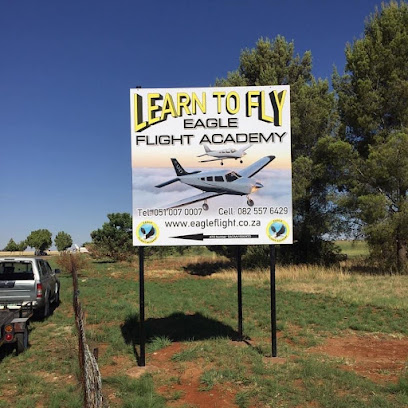
Eagle Flight Academy (EFA) operates as a specialised aviation training institute offering a structured pathway for aspiring pilots based in Bloemfontein, Free State, with a secondary facility in Hartswater, Northern Cape. The Bloemfontein operation is situated at Stand 5 B, New Tempe Airport, Kenilworth Road, providing access to a modern training environment designed to support learners from initial interest through to professional qualifications. The academy emphasises a blend of experienced instruction, up-to-date technology, and a safety‑minded culture that underpins all training activity.
Core services span comprehensive ground schooling and a laddered sequence of flight training courses. Ground school forms a cornerstone of the programme, equipping students with essential knowledge about aircraft systems, meteorology, air law, and flight planning. Sessions are offered in both in‑person and online formats to accommodate different schedules, enabling students to build theoretical understanding alongside practical flight work. This dual approach aims to reinforce exam readiness and operational confidence from the outset.
The flight training curriculum is designed to take learners from beginners to professional prospects. The Private Pilot Licence (PPL) course is described as the initial aviation journey for newcomers with no prior experience. Following the PPL, hour‑building courses provide real flight time to develop proficiency. For those targeting commercial aviation, the Commercial Pilot Licence (CPL) pathway builds on PPL experience, expanding skills across broader flight operations and responsibilities. In addition to standard PPL and CPL tracks, the National Pilot Licence (NPL) caters to individuals who wish to enjoy flight as a discretionary activity rather than pursuing a commercial career. Foreign pilot licence validations are also available for seasoned pilots intending to fly in South Africa, reflecting the school’s orientation toward practical, real‑world applicability for diverse students.
The academy highlights its fleet as a practical asset, describing a modern, well‑maintained collection of training aircraft. The emphasis on dual‑control aircraft and up‑to‑date avionics—together with glass cockpits—gives learners hands‑on experience with the technology prevalent in today’s aviation environment. Safety and reliability are identified as a priority, with flights and training activities meticulously logged and monitored in accordance with standard aviation practices.
In addition to the above, Eagle Flight Academy offers guidance on difficult questions such as licensing prerequisites, medical requirements, part‑time training options, and the typical duration of programmes. While pricing is issued via a formal quotation and subject to change, prospective students are invited to request a full programme quotation to receive customised cost estimates. This process reflects a personalised approach to pricing and progression, accommodating individual training progress and operational costs.
From a customer experience perspective, reviews from former and current students portray a consistently positive impression. Commentators describe professional training standards, well‑maintained fleets, and approachable, competent staff. Several testimonials highlight personalised attention, thorough instruction, and a strong sense of safety and reliability. The testimonials also underscore the practical value of the training environment, noting that instructors are supportive and that the overall experience is highly regarded by past learners. This feedback aligns with the academy’s stated emphasis on experienced instructors, modern aircraft, and a safety‑minded culture.
Typical workflows for prospective students often begin with engaging the academy for a detailed quotation and course outline. After initial contact, learners can access both theoretical and practical components through a mixed delivery model, combining ground school with hands‑on flight training. The pathway is structured to progress from foundational skills through to more advanced operations, with clear milestones along the way. The Bloemfontein campus is positioned to serve learners in the Free State and surrounding regions, while the Hartswater facility extends the school’s reach to northern communities.
Practical tips for prospective customers include planning for the full training timeline, understanding that course prices are provided in quotations and subject to adjustments. Learners should prepare for a combination of in‑person and online ground school sessions and expect meticulous flight logging as part of the training discipline. Ensuring medical readiness and understanding entry requirements for the Student Pilot Licence (SPL) or other licences will help streamline the process. Prospective students may also benefit from reviewing the fleet’s capabilities and asking about avionics and modern cockpit technologies to align training with current industry standards.
Operational information beyond the Bloemfontein base (such as the Hartswater location) expands the geographic footprint of Eagle Flight Academy, reinforcing its commitment to delivering quality aviation training across multiple communities in South Africa’s central regions. The overarching aim is to equip learners with the knowledge, skills, and confidence required for successful aviation careers or, alternatively, to enjoy flight as a well‑structured pursuit.
Bloemfontein
Free State
South Africa
Sorry, no records were found. Please adjust your search criteria and try again.
Sorry, unable to load the Maps API.
Aviation Training Institute Services in Bloemfontein, Free State
In Bloemfontein, aviation training institutes provide comprehensive programmes designed to support aspiring pilots and aviation professionals through the early stages of their careers and into more specialised roles. The offerings reflect the practical needs of the South African aviation sector, emphasising safety, regulatory compliance and hands-on skill development within a regional setting that benefits from the city’s reliable airfield operations and supportive training infrastructure.
Ground school and theoretical instruction form a foundational component of the programmes. Learners engage with topics such as air law, meteorology, navigation, human factors, aircraft systems, and performance calculations. These courses are structured to build a solid theoretical understanding that underpins safe and efficient flight operations. Instruction is typically delivered through a mix of classroom sessions and self-study resources, with assessments designed to align with recognised licensing standards.
Practical flight training represents the core element of aviation education. Students progress from basic flight handling to more complex tasks, gradually building proficiency under the supervision of qualified instructors. The practical training often includes a progression from fixed-wing aeroplanes to more advanced experiences, such as instrument flight rules (IFR) preparation, aeroplane handling, and, where applicable, night flying. Training schedules are arranged to maximise flight hours while respecting regulatory requirements and airfield availability.
Simulators and aerodrome facilities provide a safe and controlled environment for skill practice. High-fidelity simulators enable students to practise procedures, routine checks, and emergency scenarios without the associated real-world risk. The proximity to Bloemfontein’s aerodrome infrastructure supports real-world takeaway experiences, enabling a smooth transition from simulator to aircraft in a controlled sequence.
Licence pathways and certifications typically span a range of credentials suitable for different career aims. Common routes include private pilot licences, commercial pilot licences, and instrument ratings, together with additional type ratings where appropriate. Some programmes may offer foundational studies in aviation management, safety, or operations to support broader career opportunities within the industry. Registration processes generally require completion of prerequisites, medical assessments, and a commitment to ongoing professional development.
Industry connections and career readiness are practical considerations for students undertaking training in Bloemfontein. Institutes may emphasise adherence to international and local standards, including aviation regulatory requirements and best practices in safety management. Career guidance, job placement assistance, and opportunities to engage with local aviation stakeholders can help learners transition from training to employment or further study. Networking events, guest lectures, and simulator sessions with visiting experts are common features that enrich the educational experience.
Facilities and support services contribute to a well-rounded learning environment. Training locations in Bloemfontein typically offer accessible classrooms, engineering and maintenance knowledge resources, and secure housing or referral options for students coming from other regions. Learners should anticipate a period of practical training that includes regular checks on medical fitness, mental readiness, and adherence to fatigue management principles. Safety culture, disciplined practice, and ongoing mentoring are frequently highlighted as key elements of successful programmes.
Prospective students should consider practicalities such as programme duration, total cost, and the attribution of flight hours to licensing credits. It is advisable to verify the regulatory status of the institute, the qualifications of instructors, and the availability of aircraft and simulator time. While local conditions, such as climate and weather patterns, influence scheduling and planning, Bloemfontein’s training ecosystem is typically designed to offer stable and predictable access to the essential components of aviation education.