Flitecare is a Aviation training institute establishment in Pretoria, Gauteng, South Africa
Flitecare – Aviation training institute in Pretoria, Gauteng
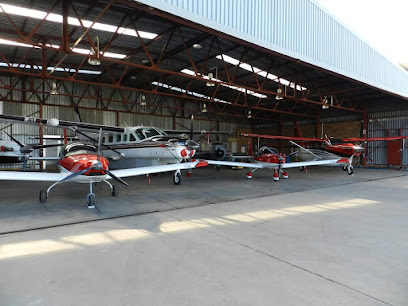
Flitecare operates as an aviation training institute based at Wonderboom Airport in Pretoria, within Gauteng, South Africa. The organisation presents itself as an established flight training provider with a visible operational footprint at Hangar 38, and it is publicly associated with SACAA as an Approved Training Organisation (ATO) based on the site’s footer documentation. The business maintains a local presence that serves the Tshwane area and surrounding Gauteng communities, reflecting a focus on practical flight instruction delivered from a dedicated airfield environment.
From the information presented on the site and corroborating visitor feedback, Flitecare positions itself as a practical, instructor-led training facility. The core emphasis appears to be on pilot training delivered by experienced instructors, with the strength of the programme seemingly grounded in real-world flight experience and professional aviation know‑how. Visitors and students who engage with Flitecare generally experience a teaching approach that is described by reviewers as approachable, professional, and informed by substantial flight industry know‑how. The reviews repeatedly highlight instructor expertise, the quality of instruction, and the overall value of the training received.
The facility’s contact details indicate accessible communication channels for prospective students and clients. The office hours are listed as standard business hours, while operations are described as being available at all hours, suggesting a level of flexibility for flight operations, scheduling, and on-airfield activity. The physical address situates Flitecare directly at Wonderboom Airport, which places it within a well‑established aviation context in Pretoria. For administrative correspondence, a postal address is also provided, reinforcing a structured local presence that caters to both in-person visits and remote enquiries.
In terms of the customer experience, visitor reviews paint Flitecare in a positive light. Commentators emphasise the professionalism of instructors and the breadth of practical knowledge demonstrated on training flights. Several reviewers praise the flight school for good value, noting that quoted fees are aligned with the final costs for training, which reinforces a perception of fair pricing practices. The feedback also highlights a friendly, supportive atmosphere and a reputation for delivering a quality learning experience that resonates with both new entrants and those seeking to advance their aviation qualifications.
Typical job types and training pathways implied by the available material relate to general aviation flight training. While specific course titles and certifications are not itemised on the public-facing content provided, the association with SACAA as an ATO implies that the institute delivers regulated training programmes aligned with South Africa’s aviation standards. The reviews suggest a robust instructional framework backed by experienced instructors, which may appeal to aspiring pilots seeking practical flight skills, fundamentals, and progression towards more advanced flight training goals.
Practical tips for customers planning to engage Flitecare include confirming the latest course offerings and instructor availability through the provided contact channels, and planning visits around Wonderboom Airport’s local traffic patterns. Prospective students may also wish to inquire about scheduling flexibility, given the reference to all-hours operations, to understand how training slots can be allocated around personal commitments. For those visiting in person, the descriptive address situates Flitecare within Hangar 38 at Wonderboom Airport, making it straightforward to locate within the airport complex. It is advisable to bring any existing pilot credentials or aviation documents to aid in course placement and progression planning.
Operational details underscore Pretoria as the primary service area, with the broader Gauteng region as the natural catchment for potential applicants. The business hours and contact information reinforce a local, accessible service model, supported by a formal postal address for administrative correspondence. The overall impression from sources is that Flitecare blends practical flight instruction with a professional ethos, underpinned by a cadre of experienced instructors and a dedicated aviation site at Wonderboom Airport.
Key practical information at a glance:
- Main services: aviation training and pilot instruction delivered from Wonderboom Airport, Pretoria.
- Typical job types: general aviation flight training pathways, with the implication of SACAA-aligned certification through an Approved Training Organisation.
- How requests work: contact via listed office and operations numbers, email, or in-person at the Hangar 38 location; associated with a formal address and SACAA accreditation.
- Hours and access: office hours for administrative matters; operations available at all hours for training and flight activities.
- Location and service area: Wonderboom Airport, Pretoria, Gauteng; serving Pretoria and the surrounding Gauteng region.
Pretoria
Gauteng
South Africa
Sorry, no records were found. Please adjust your search criteria and try again.
Sorry, unable to load the Maps API.
Aviation Training Institutes in Pretoria, Gauteng
In Pretoria, Gauteng, aviation training institutes operate as pivotal providers of route-specific and general aviation education. These organisations typically cater to aspiring pilots, aircraft engineers, air traffic management professionals, and aviation support staff. The emphasis is on practical, classroom, and simulator-based learning designed to equip learners with industry-standard competencies appropriate to South Africa’s regulatory framework and the regional aviation market.
Core offerings usually encompass pilot training across various licences and ratings, aircraft maintenance training, and courses addressing safety, compliance, and operational best practice. Many institutes provide introductory programmes for new entrants, as well as more advanced modules for those seeking type endorsements or specialised qualifications. The aim is to deliver a structured progression from foundational knowledge to more technically demanding competencies, supported by assessments aligned with national or international standards where applicable.
Typical services and facilities include:
- Ground school and theoretical instruction covering aerodynamics, meteorology, navigation, aviation regulations, and human factors.
- Flight training programmes using dedicated aeroplanes or simulated flight devices, designed to build pilot proficiency and decision-making under pressure.
- Engineering and maintenance courses that cover airframe and engine theory, electrical systems, and practical repair skills, preparing learners for entry-level technician roles and further study.
- Specialist courses in safety management, accident prevention, and compliance with aviation authority requirements.
- Type rating and endorsement modules, where applicable, enabling pilots to operate specific aircraft models.
- Continuing professional development (CPD) and refresher courses for industry veterans seeking to update knowledge or renew certifications.
Prospective students and professionals can expect a blend of instructional methods. Classroom sessions are commonly complemented by practical exercises, simulator sessions, and supervised flight or maintenance tasks. Assessment typically combines written examinations, practical demonstrations, and assessment of competency arrival at defined milestones. Graduation or certification usually signifies readiness to enter appropriate roles within the aviation sector or to pursue further studies.
In Pretoria, practical considerations often include access to nearby airfields, vibration-minimised training environments, and close cooperation with aviation authorities to ensure compliance with local regulations. Training calendars may follow semester-style itineraries or modular formats, allowing individuals to balance education with personal and professional commitments. Availability of part-time or distance learning options varies by provider, with some institutes offering hybrid models that blend online theory with on-site practical work.
Response times and support services are typically available to assist prospective learners with programme selection, application procedures, financing options, and guidance on career pathways. In addition, most institutes emphasise safety, risk management, and the development of professional conduct, reflecting the standards expected within South Africa’s civil aviation environment.
When considering an aviation training institute in Pretoria, prospective students are advised to compare the scope of courses, duration, facility quality, and the level of hands-on practice available. It is prudent to inquire about instructor credentials, student-to-instructor ratios during practical sessions, and opportunities for industry linkages such as internships, placements, or simulated assessments that reflect real-world aviation operations. While specific programmes and prices vary, the overarching aim remains constant: to cultivate capable, safety-conscious aviation professionals who can contribute effectively to South Africa’s growing aviation sector.