Fly Cape Town Paragliding is a Flight school establishment in Cape Town, Western Cape, South Africa
Fly Cape Town Paragliding – Flight School and Tandem Experiences in Cape Town
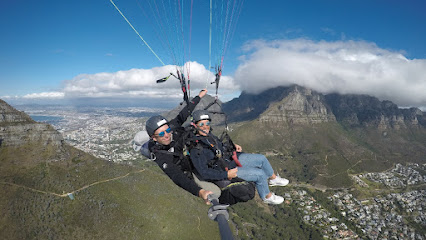
Fly Cape Town Paragliding operates as a specialist provider of tandem paragliding experiences, training, and paramotor-inclusive equipment sales in the Cape Town area. The organisation emphasises a safety-first approach, with tandem flights conducted by licensed instructors who are affiliated with the South African Hang Gliding and Paragliding Association (SAHPA). The service mix centres on giving visitors and locals alike the opportunity to experience Cape Town from the skies, from the iconic heights of Signal Hill to Lions Head when weather and wind conditions permit.
Core services include tandem paragliding flights, in-flight photography and video, and a range of training programmes for those interested in learning the sport. The tandem flights are the headline offering, designed to accommodate participants with no prior experience. The operations are supported by a small team of experienced pilots and ground staff who manage take-off sites, on-ground safety checks, and post-flight processes. The business also sells equipment relevant to recreational and professional paragliding, indicating a capacity to support customers beyond introductory experiences with gear and accessories.
In tandem paragliding, participants are accompanied by certified pilots who oversee the launch, flight, and landing. The flights typically depart from Signal Hill, with Lions Head as an alternative take-off point when wind directions are suitable. This accessibility makes the activity feasible for a broad audience, including younger participants and adults, subject to weight and age restrictions. The organisation notes weight limits (minimum 20 kg and maximum 120 kg) and an age threshold of 14 years and over, which aligns with common safety guidelines for the sport.
For those seeking a lasting keepsake, the in-flight photography and video service captures the airborne experience. A wide-angle digital camera mounted on an extendable monopod records the flight, offering clients a visual reminder of their paragliding adventure. Gift vouchers are available for purchase online, providing a practical option for presenting the experience as a present. Vouchers are valid for four months from purchase, reflecting a reasonably flexible redemption window for recipients planning travel or special occasions.
Training forms a notable facet of Fly Cape Town Paragliding’s offerings. The training page communicates a commitment to accessible learning, describing paragliding as safe, enjoyable, and achievable for people of varying backgrounds and fitness levels. The training curriculum covers beginner, intermediate, sport, performance, freestyle, high-performance competition, and tandem disciplines, suggesting a structured pathway for enthusiasts who wish to progress through different levels of the sport. The presence of multiple pilots with diverse backgrounds supports a broad educational approach and a peer-supported learning environment.
The company presents a team page highlighting several key figures, including an operations manager and take-off/landing managers, alongside pilots with extensive flight experience. This emphasis on staff roles helps potential customers understand the operational flow of a typical session, from arrival and preparation to take-off management and post-flight wrap-up.
Typical customer journey and how requests are handled
- Initial inquiry or booking typically focuses on tandem paragliding flights, with pricing clearly shown for the Tandem Flight and optional add-ons such as in-flight photography.
- Participants are guided through basic safety considerations, weight and age restrictions, and what to expect on the day of the flight, including weather dependence and potential delays due to wind conditions.
- On the day, teams allocate a take-off and landing plan, coordinating with the take-off manager on the mountain and the landing field supervisor to ensure smooth operations.
- Post-flight processes may include collecting payment for any additional services or merchandise and providing access to the flight imagery or video files if selected.
Practical tips for customers
- Check wind conditions and the planned take-off site (Signal Hill or Lions Head) for your session, as weather dictates timing and location.
- Review weight and age restrictions to ensure suitability for tandem paragling experiences.
- Consider adding in-flight photography or video to capture the experience, keeping in mind the separate pricing for this service.
- If gifting the experience, explore the online gift vouchers and the four-month validity period to plan a convenient redemption window.
- If engaging in training, be prepared for a progressive learning journey that may span multiple sessions depending on progress and weather windows.
- Arrive with appropriate attire for outdoor conditions on Signal Hill and Lions Head, bearing in mind that higher wind speeds and cooler temperatures can occur at altitude.
Location and accessibility
The operation is based in Cape Town, Western Cape, with flights typically launched from Signal Hill and occasionally from Lions Head when wind conditions permit. The services target visitors to Cape Town as well as local residents seeking a memorable aerial experience or a pathway into paragliding training and equipment purchases.
Overall, Fly Cape Town Paragliding presents a cohesive package for those exploring the sport—from first-time tandem flights designed to deliver a breathtaking view of Cape Town to structured training programmes and a retail offering supporting ongoing participation and equipment needs.
Cape Town
Western Cape
South Africa
Sorry, no records were found. Please adjust your search criteria and try again.
Sorry, unable to load the Maps API.
Flight School Services in Cape Town, Western Cape
Flight training providers in Cape Town offer a range of services designed to support aspiring pilots from initial exposure to licence attainment and beyond. Located in a region known for its diverse geography and favourable flying conditions, these schools typically operate from fixed wing aerodromes or partner with nearby airfields that provide access to controlled airspace, weather-protected facilities, and robust maintenance support. The Western Cape setting, with its coastal breezes and mountain barriers, presents both practical training benefits and certain weather-related considerations for flight planning and scheduling.
Core offerings commonly include introductory flights and discovery days, where prospective students can experience a simulated or actual flight under the supervision of a qualified instructor. For those pursuing formal qualifications, a structured progression is typical, beginning with ground school and flight instruction that cover aerodynamics, navigation, meteorology, aviation law, and communications. Ground school is often complemented by practical flight lessons, enabling students to build confidence in take-offs, landings, and in-flight procedures across varying conditions.
Most flight schools provide a pathway toward essential licences and ratings. The primary milestones usually include a Private Pilot Licence (PPL), followed by Instrument rating, Commercial Pilot Licence (CPL), and, for those aiming to teach or fly commercially, an Instructor Rating. Training may be tailored to individual goals, whether the intention is to fly as a hobby, pursue professional operation, or participate in specialised aviation sectors such as emergency services or charter work. In addition to piloting, some providers offer theory refresher courses, exam preparation, and resit support to help students meet regulatory standards.
Practical components typically involve a mix of in-cockpit instruction, dual flight sessions with an approved instructor, and solo practise within permitted limits as progression advances. Simulator sessions are often available to reinforce procedures, radio communications, and abnormal‑handling scenarios without incurring live-flight costs. Ground resources commonly include study materials, navigation charts, and access to up-to-date regulatory information, ensuring learners are prepared for both theory assessments and practical flight examinations.
Safety and compliance are central to the training experience. Reputable flight schools emphasise regular aircraft maintenance checks, pre‑flight inspections, and adherence to airspace rules and standard operating procedures. Instructors generally hold recognised aviation qualifications and maintain ongoing currency through continuing education and flight‑time requirements. Students are expected to meet basic medical and age requirements, supply the necessary documentation, and observe the school’s safety briefings and operational guidelines before flights commence.
Practical considerations for pursuing flight training in Cape Town include choosing a convenient location, access to suitable airspace, and the availability of qualified instructors and aircraft. The local weather can influence scheduling, with wind patterns and coastal conditions shaping flight planning needs. Prospective students should consider the potential impact of peak tourist traffic and seasonal demand on lesson availability and wait times. Financial planning is also important, as training costs accrue with practice hours, theory courses, equipment, and examination fees; transparent pricing structures and clear progression routes are beneficial when evaluating options.
Typical customer expectations include clear programmes, supportive mentoring, and timely feedback on progress. Learners usually receive guidance on flight planning, risk management, and decision‑making under pressure, which are essential for successful licence attainment and safe operating practices. Overall, Cape Town’s flight schools aim to deliver practical, compliant, and well‑structured training experiences that prepare aspiring pilots for diverse aviation careers or personal aviation goals.
- Introductory flights and discovery days
- Ground school and theory instruction
- Dual and solo flight training to licence standards
- Simulator sessions for procedural practice
- Medical and regulatory guidance, with exam preparation