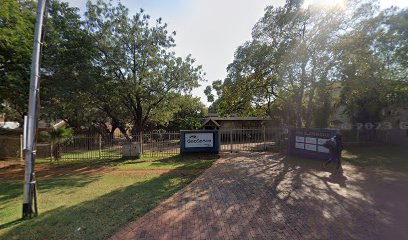
FlyStatus is a Aviation training institute establishment in Pretoria, Gauteng, South Africa
Pretoria
Gauteng
South Africa
Sorry, no records were found. Please adjust your search criteria and try again.
Sorry, unable to load the Maps API.
Aviation Training Institute Services in Pretoria, Gauteng
In Pretoria, Gauteng, aviation training institutes deliver a range of programmes designed to prepare aspiring pilots, aviation technicians, and support personnel for professional roles within the sector. These facilities typically combine theoretical instruction with practical flight and maintenance experience to satisfy regulatory requirements and industry expectations. The offerings are shaped by local aviation needs, national aviation authority standards, and the practical realities of South Africa’s busy airspace and diverse weather conditions.
Most aviation training providers offer a ladder of qualifications, beginning with introductory courses for individuals interested in pursuing aviation as a career and extending through to advanced pilot licences and specialised technical training. Students can expect structured curricula that blend classroom study, simulator sessions, and hands-on practice. Safety, compliance, and operational best practices are emphasised throughout, with a focus on decision-making, communication, and risk management skills that are essential in professional aviation environments.
For aspiring pilots, core offerings typically include flight training programmes that lead to recognised licences and ratings. These programmes cover aircraft handling, navigation, meteorology, flight planning, and aircraft systems knowledge. Practical flight instruction is complemented by simulator training to reinforce procedures, emergency drills, and instrument proficiency in various weather scenarios. Training pathways are generally designed to progress from private pilot licence (PPL) to commercial pilot licence (CPL) or professional type ratings, subject to regulatory requirements and individual progression.
Engineering and maintenance courses form another key pillar. These courses aim to develop skills in aircraft systems, airframe and powerplant maintenance, troubleshooting, and preventative maintenance practices. Practical workshops, laboratory sessions, and supervised hands-on work with aircraft components are common elements. Trainees gain familiarity with safety procedures, tool control, and inspection routines aligned with aviation regulations and manufacturer guidance.
Operational and safety training addresses essential roles beyond flight and maintenance, including aviation operations, dispatch, cargo handling, and airside safety. Courses in this area may cover airway navigation, air traffic coordination concepts, security and incident reporting, and resource management. Emphasis is placed on regulatory compliance, shift planning, and coordination with ground operations to ensure smooth and safe turnaround of aircraft.
Student support services available at many Pretoria institutes commonly include mentoring, academic advising, access to study resources, and assistance with regulatory knowledge tests required by authorities. Some programmes incorporate language and communication training to support international standards and crew interactions. Career guidance and industry liaison may help learners understand apprenticeship opportunities, internships, and pathways to qualification recognition both locally and in broader African aviation markets.
Potential students should consider a few practical points when evaluating aviation training options in Pretoria. The quality and relevance of the curriculum to South African aviation needs is important, as is the accessibility of training aircraft and simulators, the availability of suitably qualified instructors, and the institution’s safety record. Prospective entrants may wish to assess campus facilities, proximity to major flight hubs, and opportunities for practical experience through partnerships with local airlines, maintenance organisations, or flight schools. Accreditation, regulatory compliance, and the ability to meet ongoing licensing requirements are also key factors in determining suitability.
- Flight training programmes leading to PPL, CPL, or instrument ratings
- Aircraft maintenance and engineering courses
- Aviation operations, safety, and ground handling training
- Simulator sessions, theory instruction, and practical workshops
- Career guidance, regulatory exam preparation, and industry liaison
Overall, aviation training institutes in Pretoria, Gauteng, offer structured pathways designed to develop professional competencies across flying, maintenance, and operations. Learners can anticipate a focus on safety, regulatory compliance, and practical experience, with programmes structured to accommodate varying levels of prior knowledge and career ambitions. Prospective students are advised to conduct careful due diligence, review course outlines, and consider how a chosen institute supports ongoing professional development within South Africa’s dynamic aviation sector.