Focus Air Flight School is a Aviation training institute establishment in Durban, KwaZulu-Natal, South Africa
Focus Air Flight School: Aviation Training Institute in Durban, KwaZulu-Natal
Focus Air Flight School operates from Virginia Airport in Durban, KwaZulu-Natal, offering a distinct approach to professional pilot training. The school emphasises depth of knowledge, skill development and disciplined training aimed at producing market-ready pilots. A core feature of its philosophy is the Knowledge, Understanding, Skills and Attitude (KUSA) framework, designed to equip candidates with practical capabilities and industry-relevant soft skills such as leadership, teamwork, problem solving, and safety management. This emphasis on well-rounded development is paired with a broad fleet and in-house facilities intended to support comprehensive instruction and assessments.
The training programmes are structured to balance rigorous ground schooling with hands-on flight instruction. The curriculum highlights a staged progression through Private Pilot Licence (PPL), Commercial Pilot Licence (CPL), and Airline Transport Licence (ATPL) tracks. For each level, focused time allocations are provided—for example, PPL combines 50 hours of flight training with 6 weeks of ground school; CPL requires 200 hours of flight training in addition to ground schooling; and ATPL outlines a 1500-hour total experience target with practical and CRM (Crew Resource Management) components. The airline-grade elements of the courses are reinforced by optional features such as MCC (Multi-Crew Cooperation) training, designed to reflect real-world cockpit operations.
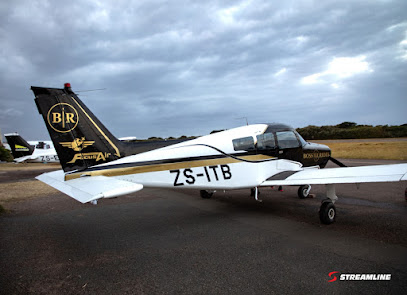
The school maintains a diversified fleet intended to support varied training needs, including light two-seat trainers and more advanced aircraft. Notably, the Piper Seneca PA-34-200T is utilised for advanced training, multi-engine ratings, instrument flight rules (IFR) work and twin-engine test preparation; the Cessna 152 serves as a versatile training aircraft, and the Piper P28A (with four seats) supports progression toward commercial pilot training. The mix of aircraft is paired with on-site facilities that encompass briefing rooms, a dedicated planning area, a student lounge, and an in-house exam centre for PPL and instructor-rating assessments. The school also maintains its own hangar, bolstering the hands-on training environment.
Admissions and pre-training processes reflect a careful selection stance. The About Us materials describe a deliberate preselection process intended to identify suitable candidates and reduce dropout risk. The process includes aptitude testing, manual dexterity and coordination assessments, mathematical evaluations, simulator checks and an interview that includes an English language component. This approach is framed as a means to ensure candidates possess the discipline and aptitude necessary for professional flight training and future employment in aviation.
Beyond technical instruction, Focus Air places emphasis on the professional development of students. In addition to flight and ground training, the KUSA module integrates leadership, problem solving and decision making into the core training regime. The aim is to produce graduates who can perform effectively in high-stakes aviation environments, combined with a commitment to safety and quality assurance. The school’s mission also communicates a broader social objective, seeking to contribute to local skills development and employment opportunities within South Africa's aviation sector.
Customer experiences gathered from visitor reviews depict a mixed but largely positive sentiment. Several reviewers highlight friendly, responsive staff and instructors, with appreciation for accessible, helpful service during inquiry and booking processes. Positive comments frequently mention engaging and accommodating instructors, along with a contemporary campus atmosphere and well-equipped facilities that support a professional learning atmosphere. A number of reviews emphasise the value of the training and the motivation provided by the staff and leadership, including praise for the CEO and senior instructors for their dedication to student success.
However, some feedback points to occasional scheduling challenges and communication gaps. A few reviews recount difficulties with ground school scheduling, delayed responses to enquiries, and inconsistencies in refunds or booking arrangements. While experiences in this vein are not universal, potential students may wish to allow for flexibility in timetables and to confirm arrangements in writing prior to attendance in order to minimise disruption to training plans.
In practice, prospective learners typically begin with an introductory flight or initial enquiries to understand programme options, costs and timelines. Requests for course information or booking arrangements are processed through the school’s contact channels, with emphasis on coordinating sessions with instructors and the operations team. The school’s in-house exam centre and ongoing access to simulators support practical, hands-on learning alongside structured theory components, with a clear progression path through PPL, CPL and ATPL tracks.
Practical tips for customers include preparing for pre-selection assessments by brushing up on basic maths skills, spatial awareness and multi-tasking abilities. Prospective international students should note entry requirements that include language proficiency assessments and compliance with SA CAA standards, with documentation and pre-arrival planning recommended. Visitors should also anticipate the necessity of punctual attendance, and consider arriving early for sessions to accommodate pre-flight preparation and documents verification. The Virginia Airport location situates Focus Air within the coastal KwaZulu-Natal context, offering access to regional aviation infrastructure and a base for continuing professional development in the South African aviation industry.
- Main services offered: private, commercial and airline transport pilot training; integrated KUSA programme; ground school and in-house examinations; simulator-based training; pilot and CRM development; optional MCC and advanced ratings.
- Typical job types (as represented in training scope): professional pilots for commercial airlines, flight instructors, and specialised roles requiring multi-engine or instrument rating capabilities.
- How requests usually work: initial enquiry or introductory flight, followed by programme selection, preselection assessment, and coordinated scheduling through the school's reception and training staff.
- Practical tips: prepare for pre-selection assessments; confirm language and licensing prerequisites for international applicants; plan for punctual attendance; keep documentation up to date and easily accessible for flights and training flights.
- Location and service area: Virginia Airport, Durban, KwaZulu-Natal, South Africa; servicing both local and international candidates seeking aviation training within the region.
Durban
KwaZulu-Natal
South Africa
Sorry, no records were found. Please adjust your search criteria and try again.
Sorry, unable to load the Maps API.
Aviation Training Institutes in Durban: Services and Practicalities
Durban, situated on the KwaZulu-Natal coast of South Africa, hosts several aviation training institutes that cater to a wide range of aviation enthusiasts and professionals. These organisations commonly provide structured programmes designed to develop theory knowledge, practical piloting skills, and regulatory compliance. Prospective students can expect a blend of ground school instruction, simulator sessions, and hands‑on flight training aimed at meeting national aviation requirements and advancing career aims within the industry.
Core offerings typically cover initial and advanced pilot training, maintenance of currency, and specialised courses that prepare individuals for licencing and progression to more complex operations. A foundational pathway often begins with private pilot licence training, which combines aviation theory with basic flight operations. This is followed by professional credentials such as the commercial pilot licence or airline transport pilot licence, subject to regulatory eligibility and successful completion of required flight hours and examinations. In Durban, training providers commonly emphasise local airspace awareness, meteorology, navigation, aircraft systems, and weight and balance considerations as integral components of the curriculum.
In addition to piloting programmes, aviation training institutes in Durban frequently offer courses for aviation operations personnel. These may include air traffic control junior programmes, aviation management modules, and safety management systems training. While not every institute conducts every course, the range generally aims to prepare personnel for roles in airways operations, ground handling, scheduling, and safety assurance. Several centres also provide conversion training for pilots who hold licences issued elsewhere and seek to operate within South African airspace, subject to regulatory validation and practical assessments.
Simulator training is a common feature, providing a controlled environment to practise procedures, emergency scenarios, and multi-crew coordination without the risks and expense of real flight time. Such sessions help learners build procedural discipline, situational awareness, and decision‑making under pressure. Realistic, well‑maintained training devices are paired with experienced instructors to reinforce learning outcomes. Ground school sessions, often delivered through lectures, workshops, and self‑study materials, complement simulator and aircraft time by deepening theoretical understanding of aviation physiology, meteorology, flight planning, and aviation law.
Practical considerations for prospective entrants include intake schedules, aircraft availability, and the approach to flight‑hour tracking and record keeping. Most Durban institutes organise a programme timetable that aligns theoretical coursework with aircraft availability, maintenance readiness, and regulatory milestones. Students may be required to complete medical examinations, must meet fitness and compatibility requirements, and adhere to health and safety protocols on site. Accessibility, transport links, and campus facilities, such as study spaces, briefing rooms, and simulator suites, are practical factors that influence the training experience.
For those aiming to work within South Africa’s aviation sector, understanding regulatory expectations is essential. Training providers typically emphasise compliance with the standards set by the national aviation authority, including the structure of examinations, flight test procedures, and licence endorsements. While the specifics can vary between centres, the overarching objective is to equip learners with the competencies needed to operate safely, responsibly, and professionally within the industry. Graduates commonly progress to airline recruitment, charter operations, maintenance planning, or aviation services with a solid grounding in both practical skills and theoretical knowledge.
Ultimately, the value of aviation training in Durban lies in its ability to combine local context with internationally recognised principles. Learners can expect guidance on selecting suitable courses, understanding funding and sponsorship options, and mapping a realistic progression path from introductory modules through to advanced licencing and career opportunities. The result is a pragmatic, career‑oriented training journey that aligns with the regional aviation environment and broader South African aviation ambitions.