Friends of the SAAF museum, Ysterplaat is a Museum establishment in Cape Town, Western Cape, South Africa
Friends of the SAAF Museum, Ysterplaat — Cape Town: Services, Experience and Practical Guidance
The Friends of the South African Air Force Museum (FSAAFM) at Ysterplaat in Cape Town operates as a voluntary, non-profit organisation dedicated to supporting the SAAF Museum’s displays and preservation programmes. The Cape Town branch forms part of a national network that encompasses Swartkop (Pretoria) and Port Elizabeth, each presenting its own slice of the SAAF’s history through static exhibits and volunteer-led projects. The emphasis across the organisation is on preservation, restoration and public engagement rather than commercial activity, with a clear focus on keeping the past accessible to visitors and generations to come.
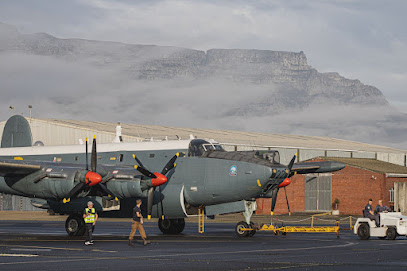
Core services and activity revolve around hands-on restoration, maintenance and display work conducted by enthusiastic volunteers. The Ysterplaat team, alongside colleagues in other branches, engages in ongoing projects that include the restoration of multiple aircraft and related artefacts. Examples cited on the site include the restoration programmes for Dakota 6832, Mirage F1 213 and Buccaneer 416, as well as a range of ancillary projects such as updating dayglo markings on Alouette III 611 and routine hangar upkeep. These efforts are complemented by public-facing display spaces where aircraft and equipment are housed in hangars suitable for public viewing during opening hours and special events.
Public access and visitor experience are shaped by a combination of free entry, guided interaction and community-driven events. The FSAAFM states that entry to all SAAF Museum branches is free of charge, with donations warmly encouraged to support ongoing upkeep and exhibit preservation. Regular public hours are clearly defined: from 09:00 to 15:00 on weekdays and 09:00 to 13:00 on Saturdays, subject to public holidays and special parades. These timings help structure a visitor flow that often centres around a guided group experience, with the FAQ noting that group tours organised by the Friends are possible and most effectively arranged for Saturday mornings. For larger school or youth groups visiting during the week, prior arrangement is advised.
The visitor experience is enriched by the opportunity to explore many aircraft in person, with several cockpits accessible to the public. Reviews consistently highlight the value of close-up access to aircraft, the opportunity to enter certain displays, and the evident dedication of volunteer guides who provide context and answer questions with evident passion. Reviews also mention a well-kept, clean and organised space, with one reviewer specifically noting the quality of the documentation and the engaging energy of the guides. The social and educational aspects are further supported by occasional on-site sales, such as boerewors rolls and beverages, which contribute to fundraising events and the broader maintenance programme.
Beyond Ysterplaat, FSAAFM’s network supports broader SAAF history through event planning and display boards. Public events, open days and ground runs feature in the organisation’s activity calendar, with updates shared via social media. Display materials and downloadable boards—covering topics from national insignia to specific aircraft like the Spitfire and Canberra—offer additional educational resources for enthusiasts and researchers who wish to deepen their understanding of the collection.
Location and scope of service are clearly articulated: FSAAFM operates across three branches—Cape Town (Ysterplaat), Swartkop near Pretoria, and Port Elizabeth. While the Cape Town branch is focused on the local collection and restoration work, the federation-style structure enables cross-branch collaboration, volunteer engagement, and fundraising to support the entire SAAF Museum ecosystem. The site emphasises that the Friends are not funded by the SAAF or government, but rely on membership, donations and volunteer participation to sustain restoration projects, display maintenance and event activities.
Typical activities and how requests usually work
- Volunteer restoration and preservation tasks across several aircraft and exhibits, organised by the FSAAFM, with opportunities to join work parties and specific project teams.
- Group tours of the Cape Town branch by the Friends on Saturdays; larger weekday school groups require prior coordination.
- Public engagement through events, open days and ground runs hosted in partnership with the SAAF Museum, supplemented by display boards and digital resources for self-guided learning.
- Donations and on-site stall sales as practical fundraising mechanisms to support ongoing maintenance and restoration projects.
Practical tips for visitors
- Plan a weekend visit and consider joining a guided group tour on a Saturday morning for the most comprehensive experience.
- Check opening hours in advance, particularly around public holidays or special events, to avoid disappointment.
- Carry a small donation at the door in support of exhibits and restorations, as entry is free but donations aid upkeep.
- Allow time to explore multiple hangars, as several aircraft are accessible to the public and some displays may be interactively explained by volunteers.
- If considering a school or youth visit, contact the branch ahead of time to arrange suitable arrangements and scheduling.
The FSAAFM’s presence in Cape Town offers a locally focused gateway to South Africa’s aviation heritage, supported by a nationwide network of volunteers dedicated to restoration, documentation and public education about the SAAF’s last 105 years of history.
Cape Town
Western Cape
South Africa
Sorry, no records were found. Please adjust your search criteria and try again.
Sorry, unable to load the Maps API.
Museum Services in Cape Town, Western Cape
In Cape Town, a city renowned for its cultural heritage and natural beauty, museums offer a range of services designed to illuminate the past, present, and potential of the region. These services typically extend beyond simple display of objects to encompass educational programmes, public engagement, and practical resources for visitors and researchers alike. A visitor-centred approach is common, with attention given to accessibility, bilingual interpretation, and the safeguarding of artefacts within climate-controlled environments.
Core offerings usually encompass curated exhibitions that juxtapose historical artefacts with contemporary storytelling. These displays may cover local history, maritime heritage, colonial encounters, science, art, and ethnography. Exhibitions are frequently complemented by temporary programmes that reflect current themes, anniversaries, or scholarly research, providing fresh perspectives for repeat visitors. In many Cape Town institutions, exhibitions are accompanied by interpretive text in multiple languages, tactile elements for visually impaired visitors, and audio-visual components that enhance understanding without overpowering the exhibits.
Educational outreach constitutes a central pillar of museum services in the region. Schools and community groups are typically invited to participate in guided tours, hands-on workshops, and researcher-led seminars. These programmes aim to make museum life relevant to diverse audiences, including learners, families, academics, and tourists seeking deeper context about South Africa’s rich heritage. Some museums collaborate with universities, cultural organisations, and local businesses to broaden learning opportunities and to foster community ties.
Public programmes are regularly scheduled to attract different segments of the audience. Lectures, gallery talks, film screenings, workshops, and curator-led tours help demystify collections and deepen appreciation. Special events, such as temporary exhibitions openings, heritage days, and storytelling sessions, contribute to the social fabric of Cape Town and create inclusive spaces for dialogue and reflection.
Collections management and conservation form a critical operational aspect. Museums employ professional staff to catalogue objects, monitor environmental conditions, and safeguard artefacts from deterioration. Visitors can expect well-organised storage areas, restricted access to sensitive items, and transparent policies regarding handling, photography, and object repatriation where applicable. Compliance with national and regional standards for preservation, documentation, and ethical stewardship is a common feature across reputable institutions.
Visitor services typically include comfortable facilities, accessible entrances, and practical amenities. Curated guides, multilingual signage, and informative brochures help orient newcomers. Gift shops and cafes are commonly available but usually operate independently of the core preservation and educational missions. Accessibility considerations extend to ramped entrances, lifts, and adjustable seating in lecture rooms, enabling a broader audience to participate fully in programmes.
Practical considerations for potential visitors include planning for capacity limits during busy periods, allowing extra time for guided tours, and checking the opening hours in advance. Some venues offer combined tickets with other cultural sites, while others provide independent access with varied pricing structures. Weather can influence outdoor aspects of certain displays or courtyard programmes, so visitors are advised to factor this into their plans when applicable.
- Exhibitions and interpretative displays
- Educational programmes for schools and communities
- Public lectures, tours, and workshops
- Collections care, conservation, and access policies
- Accessibility and inclusive visitor services
- Practical information on hours, location, and facilities
Overall, museum services in Cape Town, Western Cape, are characterised by a blend of education, heritage interpretation, and community engagement. They present avenues for exploring South Africa’s diverse narratives while providing reliable, well-managed environments where artefacts can be studied, appreciated, and discussed by locals and visitors alike.