Genadendal Mission Museum is a Museum establishment in Genadendal, Western Cape, South Africa
Genadendal Mission Museum: a historical excursion in the Western Cape
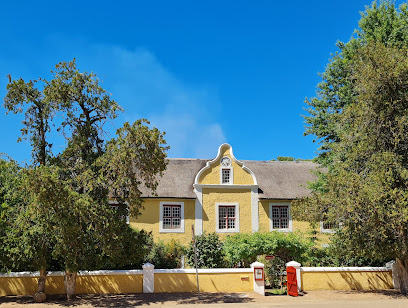
The Genadendal Mission Museum sits on the site of South Africa’s original Moravian mission station and functions as a comprehensive gateway to the region’s early history. Housed in buildings that have stood since the mission’s beginnings, the site was declared a National Monument in 1980 and now presents a curated narrative of Genadendal’s formative years. Visitors encounter a living tapestry of artefacts, architecture and landscapes that illuminate daily life, faith, and community endeavour from centuries past.
Key features include a church still in active use, which houses the oldest pipe organ in the country, and a historically significant water mill that remains in operation for ground flour production. The museum also showcases a printing exhibit that features the Gutenberg press utilised by Genadendal at an early stage in the country’s printing history, reflecting the locality’s contribution to South Africa’s printed heritage. Exhibits further trace the lives of the Khoikhoi who lived in the area, offering visitors a tangible sense of the huts and kraal layouts that characterised their settlements.
As part of the storytelling, the site highlights the house of Georg Schmidt, the founding missionary, and the pear tree beneath which Schmidt taught, as well as the cemetery and the resting places of important figures connected to the mission’s early years. The museum also brings to life the post-Schmidt era through the houses of the three missionaries responsible for re-establishing the mission station after his departure. A significant portion of the collection comprises thousands of family heirlooms donated by local residents, underscoring the community’s ongoing relationship with its heritage. A possible moment of everyday life at the museum includes sightings of animals such as horses or cows in the church square, which contribute to a sense of continuity with the past in the present-day setting.
Visiting the museum is complemented by guided experiences and arrangements through the Information Centre. The centre offers visitor support and operates a small shop selling snacks and a selection of museum keepsakes, providing a practical, on-site hub for planning a visit. The overall presentation emphasises immersion in a "living museum" experience, inviting curiosity about how generations have lived, worked, and celebrated in Genadendal.
The Genadendal Mission Museum’s hours reflect a structured but visitor-friendly pattern, with Monday to Thursday open from 08:30 to 17:00, Friday 08:30 to 15:30, Saturday 10:00 to 14:00, and Sunday 13:30 to 15:30. These timings align with a rural, heritage-focused tourism style, allowing for a relaxed pace while still accommodating day visits and short tours. The museum is part of a village setting in Genadendal, Western Cape, a region nestled at the foothills of Grootkop (Big Head) mountain, famed for its landscape and historical context. The broader area is noted for its friendly reception and the opportunity to encounter local wildlife and agricultural surroundings during a wander through the precinct.
Customer sentiment, as reflected in visitor reviews, highlights several repetitive strengths: restored and well-maintained historic buildings, informative and approachable guides, and a thoughtfully curated collection of artefacts and photographs that illuminate the area’s Moravian and Khoikhoi heritage. Reviewers frequently remark on the calm ambience, the chance to explore the pear tree site and cemetery, and the value of seeing the first printing press in the country. The experience is commonly described as educational, engaging, and well worth including on a regional itinerary for those exploring the Western Cape’s historic frontier towns.
Location-wise, the museum is placed in Genadendal, a village about 90 minutes east of Cape Town, recognised as the oldest mission station in South Africa. The area serves history enthusiasts, genealogists, and curious travellers alike, offering a compact, walkable historic core with related sites to visit nearby. Practical tips for planning a visit include checking the Information Centre for tour arrangements, noting the varying Saturday and Sunday hours, and allowing time to walk to the pear tree and cemetery to gain a fuller sense of the narrative arc documented at the museum. The surrounding community and landscape contribute to a holistic heritage experience that extends beyond the indoor exhibits.
In summary, the Genadendal Mission Museum presents a dense, human-scale account of the region’s origins, connecting religious history, Indigenous histories, and material culture through restored buildings, interactive exhibits, and a curated trove of local heirlooms. It remains a focal point for understanding Genadendal’s role in South Africa’s broader historical story, framed by a peaceful setting and the enduring legacy of its historic mission.
Genadendal
Western Cape
South Africa
Sorry, no records were found. Please adjust your search criteria and try again.
Sorry, unable to load the Maps API.
Museum Services in Genadendal, Western Cape
Genadendal, a town steeped in South Africa’s heritage, offers a range of museum services that illuminate local history, culture, and the region’s mission-era legacy. Visitors can expect a quiet, contemplative environment where exhibitions are curated to reflect the social, architectural and spiritual narratives that shaped Genadendal and the surrounding Western Cape. Museums in this area commonly function as custodians of artefacts, documents and stories that demonstrate the intertwined lives of settlers, indigenous communities and religious missions over centuries.
Central to the experience are permanent and temporary displays that illustrate community development, traditional crafts, archival materials, and the town’s distinctive architectural styles. While exact collections vary, typical services include well-laid out galleries, interpretive panels, and period objects that help guests understand local history in context. Staff and curators often provide background on the significance of exhibits and may offer insights into restoration work, conservation practices, and the provenance of items on display. Visitors should anticipate an informative environment that places emphasis on accuracy, balance, and sensitivity to diverse perspectives.
Educational programming is a key component of museum services in Genadendal. Schools, families, and community groups commonly engage with learning programmes designed to align with local curricula and lifelong learning goals. These programmes can include guided tours tailored to different age groups, interactive demonstrations, and hands-on activities that foster curiosity about the past. Specialist talks or lectures may be scheduled around notable anniversaries or themes relevant to the region, providing opportunities for deeper understanding and discussion.
Additional services often support broader access and engagement. Public handling sessions, where permitted, allow visitors to examine replicas or safe replicas of artefacts; visitor information desks offer maps, directions and practical advice about the site. In some instances, partnerships with libraries, schools, and cultural organisations enhance the range of resources available, including digitised materials, local histories, and community archives. It is common for museums to host small-scale events such as temporary exhibitions, book launches, or cultural demonstrations that highlight contemporary voices connected to Genadendal’s heritage.
Practical considerations for visitors include opening hours, entry arrangements, and accessibility. Many museums in Genadendal operate on predictable schedules with seasonal variations. Groups are typically encouraged to organise visits in advance to ensure sufficient staff guidance and to respect any co-located facilities. Accessibility considerations generally focus on safe, navigable spaces and clear information for visitors with mobility needs. Parking availability, proximity to public transport, and convenient amenities in the surrounding area contribute to a comfortable visit experience.
For those planning research or archival enquiries, museums often provide access to document collections, photographs, and oral histories through controlled reading rooms or digital portals. Researchers may be asked to observe guidelines for handling materials and to provide appropriate identification. While not every institution offers the same level of access, many acknowledge the value of documentation for local history, genealogy, and community storytelling, and may assist with referrals to relevant local organisations or libraries.
In summary, museum services in Genadendal emphasise educational engagement, thoughtful presentation of heritage, and practical convenience for visitors. The offerings are designed to be informative and meaningful, enabling residents and travellers alike to gain a nuanced appreciation of Genadendal’s role within the Western Cape’s broader historical tapestry.
- Permanent exhibitions and rotating displays
- Guided tours and educational programmes
- Access to archives, artefacts, and local histories
- Public programmes, talks, and cultural events
- Visitor services: information desks, accessibility, and facilities