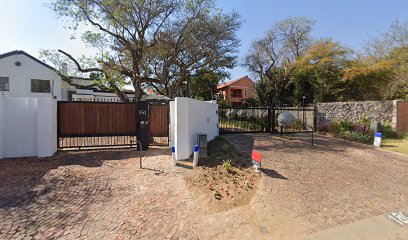
Gryphon Flight Academy is a Flight school establishment in Sandton, Gauteng, South Africa
Sandton
Gauteng
South Africa
Sorry, no records were found. Please adjust your search criteria and try again.
Sorry, unable to load the Maps API.
Flight School Services in Sandton, Gauteng
In Sandton and the broader Gauteng region, flight schools provide a spectrum of aviation training designed to accommodate aspiring pilots, professional pilots seeking further qualifications, and aviation enthusiasts. Training is typically organised to align with local regulatory requirements while offering convenient access for learners across northern Johannesburg and the surrounding metropolitan area. The emphasis is on safety, structured progression, and practical flight experience supported by theory instruction.
Most flight schools in the Sandton area offer a combination of ground school and in-flight training. Ground instruction covers essential knowledge areas such as air law, navigation, meteorology, human factors, aircraft systems, and flight planning. The theory component prepares students for licensing or rating examinations set by the relevant aviation authority, with teaching delivered through a mix of classroom lessons, self-study materials, and online resources. This theoretical foundation is typically complemented by practical lessons that build confidence and competence in real-world conditions.
Practical training commonly encompasses a range of programmes to suit different goals. Initial training often leads to a Private Pilot Licence (PPL), which enables the holder to fly as a pilot in command of small aircraft for private purposes. For those pursuing a professional path, Commercial Pilot Licence (CPL) training, including multi-engine and instrument ratings, is frequently available. Instrument flight rules (IFR) training, which teaches reliance on cockpit instruments and air traffic control guidance in less-than-ideal weather, is also a common offering. Some schools provide refresher or rating courses for pilots who already hold licences but wish to broaden their capabilities, such as adding a night rating or a specialised instructor rating.
Aircraft types and training environments vary between schools. Trainee pilots typically begin on single-engine piston aircraft suited to early handling skills, before progressing to more advanced aircraft as experience increases. Ground-access facilities usually include dedicated briefing rooms, flight planning labs, and a comfortable lounge or study area for independent preparation. Flight training instalments are often structured into modules or blocks, with a clear progression plan and regular assessments to track competency and readiness for examinations or check flights.
Practical considerations for learners in Sandton include balancing travel logistics, safety standards, and regulatory compliance. Local flight schools may base operations at nearby aerodromes with established airspace arrangements, traffic patterns, and weather phenomena representative of the Gauteng region. Learners should anticipate the need for a valid medical certificate appropriate to the chosen licence or rating, as well as potential regulatory fees and examination costs. The training environment typically emphasises risk management, aircraft maintenance awareness, and adherence to standard operating procedures to promote safe and efficient flight training. While the exact features of each programme differ, the overarching aim remains consistent: to develop competent, safety-conscious pilots through a combination of guided instruction, hands-on flying, and rigorous assessment.
For prospective students, a typical journey begins with an introductory briefing or discovery flight, followed by a personalised training plan. As training progresses, learners gain logged flight hours, complete required ground examinations, and prepare for practical assessments. Schools in this area commonly offer flexible scheduling options to accommodate work commitments and family responsibilities, while maintaining high standards of instruction and regulatory compliance. Prospective applicants are advised to review course outlines, instructor qualifications, aircraft availability, and terms of training before enrolment, ensuring alignment with individual aims and budget considerations.
- Private Pilot Licence (PPL) programmes
- Commercial Pilot Licence (CPL) and instrument rating options
- Ground school and theory instruction aligned with SACAA or regional standards
- In-flight training on single-engine and multi-engine platforms
- Flight simulators and full-mission simulators where available
- Age, medical, and regulatory prerequisites guidance