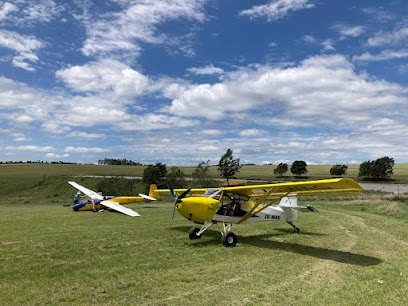
Howick Airfield FAHC is a Airstrip establishment in Howick, KwaZulu-Natal, South Africa
Howick
KwaZulu-Natal
South Africa
Sorry, no records were found. Please adjust your search criteria and try again.
Sorry, unable to load the Maps API.
Airstrip Services in Howick, KwaZulu-Natal
In the rural outskirts of Howick, KwaZulu-Natal, airstrips provide a practical aviation option for private pilots, small-scale freight operators, and agricultural users. These facilities typically function as modest aerodromes or airfields that cater to a range of aviation needs, from quick hops between regional centres to longer cross-country journeys. The emphasis tends to be on reliability, straightforward operations, and a supportive local aviation community within the KwaZulu-Natal Midlands.
Typical services associated with airstrips in this area include basic aerodrome operations, weather observation, and essential runway maintenance. Visitors can expect clear, practical guidance on take-off and landing procedures, as well as information on available fuel types, storage arrangements for aircraft, and safe access to the airfield. For operators, space is often allocated for short-term parking or hangarage, subject to availability, with procedural checks designed to ensure aircraft are securely stationed when not in use.
Many airstrips in Howick offer facilities that facilitate routine maintenance and servicing for light aircraft. This can range from simple pre-flight checks to minor repairs or routine servicing conducted by qualified technicians. The availability of tooling, lifting equipment, and on-site spare parts is typically limited, so operators often arrange ancillary services through nearby facilities or preferred contractors. The emphasis remains on ensuring airworthiness within the capabilities of the site and adhering to applicable aviation regulations.
Guest pilots and visitors should anticipate an approachable handling experience. Clear communication with airstrip authorities or on-site managers helps confirm active runway status, prevailing weather conditions, and any temporary restrictions. Safety provisions commonly include defined aircraft touchdown zones, hangar or apron boundaries, and clear signage for pedestrians and vehicles on or near manoeuvring areas. It is prudent to review local curfew considerations, wildlife hazards, and land-use restrictions that might influence access during certain periods of the day or year.
Operational practices at airstrips in Howick are often shaped by regional meteorological patterns. The KwaZulu-Natal Midlands can experience rapidly changing cloud formations, variable visibility, and sporadic afternoon showers. Pilots are advised to perform thorough pre-flight planning, including wind assessment, surface conditions, and potential interference from surrounding terrain. Ground assistance may be limited compared with larger metropolitan airports, so independent preparation and a conservative approach to flight planning are valued attributes for users of these facilities.
Practical considerations for prospective users include ease of access by road to nearby townships and services, the availability of basic amenities, and the proximity to medical facilities in case of emergency. Given the rural setting, it is common for airstrips to operate with a lean administrative framework. This often translates into flexible, community-minded management practices but requires users to be self-reliant in confirming operational status and adhering to local protocols. Insurance coverage and liability responsibilities are important considerations, particularly for owners of aircraft stored on site or engaged in cross-area operations.
Overall, airstrip services in Howick provide a pragmatic option for individual pilots and small-scale aviation activities in KwaZulu-Natal. The model favours straightforward access, careful adherence to safety and regulatory norms, and a user-friendly approach that supports efficient planning and execution of light aircraft operations. For travellers and aviation enthusiasts alike, the experience is characterised by a grounded, community-oriented ethos that complements the broader South African aviation landscape.
- Basic aerodrome operations and weather information
- Fuel availability and simple storage options
- Hangarage or short-term parking where feasible
- Light maintenance and routine servicing for small aircraft
- Safety procedures and clear guidance for pilots and visitors