Incomar (Wonderboom) is a Aerospace company establishment in Pretoria, Gauteng, South Africa
Incomar (Wonderboom): Aerospace and Defence Engineering Solutions in Pretoria
Incomar, headquartered in South Africa, presents itself as a multifaceted aerospace and defence organisation with a long-standing focus on flight test, systems integration and end‑to‑end engineering solutions. The group operates from multiple offices, including its Wonderboom Hangars at Wonderboom National Airport, Tshwane, indicating a strong regional footprint centred on the Pretoria area. The business positions itself as a partner capable of turning complex aerospace and defence challenges into mission‑ready outcomes, backed by a team of over 400 specialists and a culture rooted in integrity and delivery.
The core value proposition emphasises customised, scalable solutions across the entire project lifecycle. From high‑level concept and design through to deployment, testing, maintenance and ongoing client support, Incomar stresses a world‑class standard of practice. The company highlights agility and ingenuity as defining traits, supported by experienced engineers and operationally qualified flight test personnel, enabling both manned and unmanned platforms to be developed and evaluated in realistic settings.
Incomar operates a structured, turnkey approach across its aerospace and defence activities. The Turnkey Solutions stream specifically details three integrated phases: Conceptualise, Build and Test. This framework underlines the capability to design novel aircraft and subsystems, assemble and integrate components in‑house, and carry out rigorous flight testing and certification processes. The in‑house flight test beds, together with a safety‑driven testing regime, are presented as essential to ensuring that systems perform reliably when deployed.
Engineering capabilities form a central pillar of Incomar’s offering. The practice covers a broad spectrum of activities, including:
- Custom airborne avionics, mission systems and flight computing systems
- Ground control systems for unmanned platforms and artificial intelligence algorithms for aerospace use
- Custom electro‑optical sensors and detectors
- Design and development of airframes, unmanned aerial vehicles (UAVs), models and simulations
- Flight‑test instrumentation and tailored aircraft for testing airborne systems
- Electronic engineering, firmware development, embedded software, mechanical and thermal design, and aeronautical analysis
Flight operations form a notable strength, with over three decades of flight test experience and an established reputation within domestic and international circles. The organisation asserts adherence to an AS9100D quality management system and a safety management system, underscoring its emphasis on quality, safety and regulatory alignment. In addition to flight testing, the operation’s in‑house maintenance and flight training capabilities support a complete cycle of testing, modification and readiness for deployment.
Customer experience is supported by independent testimonials and performance indicators embedded in the company literature. References highlight timely support, professional engagement, and a collaborative approach to flight test programs. The client base spans sovereign states, procurement agencies, research and development entities, operational defence forces and government parastatals, reflecting a broad, strategic footprint in the aerospace and defence sectors. Additionally, the company notes its commitment to local industry growth and South Africa’s economy, positioning itself as a credible local player aligned with national priorities.
For organisations seeking more than just components, Incomar promotes a combined capability model: offering both specialist engineering expertise and turnkey project delivery. This blend supports complex programmes requiring integrated systems, instrumentation and software that conform to stringent aerospace and defence standards. The firm’s philosophy centres on integrity, precise execution and enduring partnerships, reinforced by a longstanding emphasis on client outcomes and continuous support.
Typical project types described in public materials align with mission‑critical programmes in aerospace development, flight testing, integration of subsystems, and customised aircraft solutions for both civilian and defence contexts. The services are tailored to clients’ ambitions, with an emphasis on rapid yet robust engineering processes, alignment with industry standards, and a clear focus on delivering reliable performance where it matters most.
Practical tips for potential customers include engaging early in the conceptual phase to exploit the full depth of Incomar’s design and modelling capabilities, leveraging in‑house flight test beds to de‑risk integration, and recognising the value of a comprehensive quality framework (AS9100D) as a marker of sustained process discipline. Given the Wonderboom and broader Centurion footprint, it is convenient to plan visits to the Pretoria hub and nearby facilities during standard business periods, noting that detailed arrangements are typically coordinated through the central contact channels listed on the company’s site.
Incomar’s reach extends through its regional offices and specialised divisions under a single corporate umbrella, with a stated aim to remain the preferred partner for a diverse client base seeking aerospace and defence solutions in collaboration with other industry players. For professionals evaluating a partner for complex aerospace programmes, Incomar presents a consolidated package of engineering prowess, hands‑on testing capability, and ambitious, outcome‑driven delivery.
Pretoria
Gauteng
South Africa
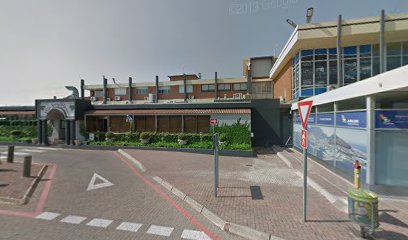
Sorry, no records were found. Please adjust your search criteria and try again.
Sorry, unable to load the Maps API.
Aerospace Services in Pretoria, Gauteng
In Pretoria, Gauteng, aerospace companies provide a spectrum of services that support the local and regional aviation industry, from maintenance and repair to engineering consultancy and component support. Enterprises in this sector are typically positioned to serve commercial, defence, and general aviation needs, leveraging the city’s accessibility and its role within South Africa’s aviation ecosystem.
The typical range of services includes both technical and logistical offerings tailored to the requirements of aircraft operators, maintenance organisations, and suppliers. Maintenance facilities may perform routine inspections, scheduled servicing, and minor airframe or systems troubleshooting. Engineering firms offer structural analysis, configuration management, and performance optimisation studies. A number of organisations provide parts provisioning, repair, and overhaul (MRO) support for various airframe and mechanical systems, ensuring availability and reliability for busy fleets. In addition, there are consultancies specialising in compliance, quality management, and safety programmes aligned with international and national aviation standards.
Operational capabilities in Pretoria commonly cover several core activities:
- Maintenance, repair and overhaul planning for civilian and, where applicable, government-operated aircraft.
- Component support services, including parts sourcing, procurement discipline, and rapid logistics for critical items.
- Engineering and product support, encompassing modification projects, weight and balance analyses, and performance assessments.
- Structural and mechanical inspections, non-destructive testing coordination, and documentation control.
- On-site field service capacity, mobile teams, and workshop-based activities for regional operators.
- Technical training and upskilling programmes for technicians, engineers, and pilots to align with industry standards.
Customers can typically expect a structured workflow that emphasises safety, compliance, and traceability. Initial enquiries usually involve a collaborative assessment of the aircraft’s maintenance history, required inspections, and operational constraints. The process often begins with the preparation of a maintenance plan or project charter, outlining scope, timelines, and responsibilities. Once approvals are in place, work is scheduled to minimise aircraft downtime, with clear progress updates and documentation retained for regulatory and logistical purposes. Where adjustments or special modifications are needed, specifications are reviewed with technical teams to ensure compatibility and airworthiness before parts are sourced and fitted.
Practical considerations for engaging an aerospace service provider in Pretoria include adherence to South African Civil Aviation Authority (SACAA) requirements and any applicable international aviation regulations. Facilities may vary in scale, so operators should check capabilities such as workshop space, inspection bays, testing equipment, and access to certified technicians. Storage and handling of certified parts demand meticulous inventory control and secure logistics arrangements to maintain material integrity. Export controls and cross-border movements may also influence timelines and pricing, particularly for components with restricted origin or dual-use classifications.
For businesses operating in Gauteng, proximity to major transport routes and the regional supply chain can facilitate efficient procurement, inspection, and delivery logistics. Local providers often emphasise flexible service models, from ad-hoc technical support to integrated maintenance programmes, to accommodate fluctuating flight schedules and fleet management strategies. The most reliable engagements tend to be underpinned by robust quality assurance processes, clear service level expectations, and a demonstrated commitment to aviation safety and regulatory compliance.